Comme il faisait une chaleur de 33 degres, le boulevard Bourdon se trouvait absolument desert. Plus bas le canal Saint-Martin, ferme par les deux ecluses etalait en ligne droite son eau couleur d'encre. Il y avait au milieu, un bateau plein de bois, et sur la berge deux rangs de barriques. Au dela du canal, entre les maisons que separent des chantiers le grand ciel pur se decoupait en plaques d'outremer, et sous la reverberation du soleil, les facades blanches, les toits d'ardoises, les quais de granit eblouissaient. Une rumeur confuse montait du loin dans l'atmosphere tiede ; et tout semblait engourdi par le desoeuvrement du dimanche et la tristesse des jours d'ete. Deux hommes parurent. L'un venait de la Bastille, l'autre du Jardin des Plantes. Le plus grand, vetu de toile, marchait le chapeau en arriere, le gilet deboutonne et sa cravate a la main. Le plus petit, dont le corps disparaissait dans une redingote marron, baissait la tete sous une casquette a visiere pointue.
Comme il faisait une chaleur de 33 degres, le boulevard Bourdon se trouvait absolument desert. Plus bas le canal Saint-Martin, ferme par les deux ecluses etalait en ligne droite son eau couleur d'encre. Il y avait au milieu, un bateau plein de bois, et sur la berge deux rangs de barriques. Au dela du canal, entre les maisons que separent des chantiers le grand ciel pur se decoupait en plaques d'outremer, et sous la reverberation du soleil, les facades blanches, les toits d'ardoises, les quais de granit eblouissaient. Une rumeur confuse montait du loin dans l'atmosphere tiede ; et tout semblait engourdi par le desoeuvrement du dimanche et la tristesse des jours d'ete. Deux hommes parurent. L'un venait de la Bastille, l'autre du Jardin des Plantes. Le plus grand, vetu de toile, marchait le chapeau en arriere, le gilet deboutonne et sa cravate a la main. Le plus petit, dont le corps disparaissait dans une redingote marron, baissait la tete sous une casquette a visiere pointue.
Add to your library to track progress and write reviews
Add to your library to track progress and write reviews
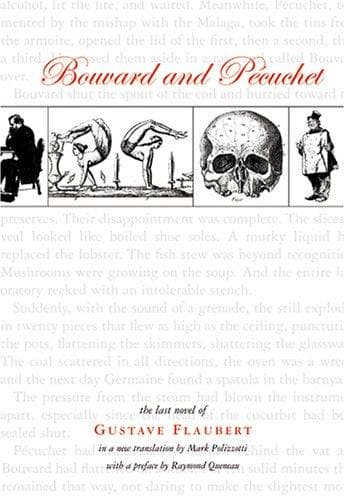
Find Bouvard and Pecuchet Gustave Flaubert in PDF, EPUB, ebook, audiobook, print, or library editions.
Find Bouvard and Pecuchet Gustave Flaubert in PDF, EPUB, ebook, audiobook, print, or library editions.

3 books in catalog
The development of nineteenth-century literary realism was fundamentally shaped by the publication of Madame Bovary in 1857, a novel depicting bourgeois provincial life with dispassionate psychological accuracy. French writer Gustave Flaubert created this masterpiece after years of painstaking drafting, setting a new standard for narrative objectivity and prose composition in modern fiction.
Born on December 12, 1821, in Rouen, France, Gustave Flaubert grew up in the hospital where his father served as chief surgeon. He began writing plays, historical narratives, and early texts as a child before devoting his adult life entirely to literary craft. His debut novel, Madame Bovary, brought him immediate prominence and an unsuccessful prosecution for obscenity in 1857. Over the following decades, he published major works such as the historical novel Salammbô and the contemporary Parisian narrative Sentimental Education. Flaubert maintained an extensive correspondence, including thousands of detailed letters, and served as a dedicated mentor to younger writers such as Guy de Maupassant.
Known for extreme stylistic precision, Flaubert spent days polishing individual pages to achieve aesthetic cadences, exact word choice, and structural harmony. His writing combines detailed observation of everyday social experiences with a commitment to authorial objectivity. In works like his posthumously published comic novel Bouvard and Pecuchet, he explored human fallibility, bourgeois pretension, and the limits of intellectual ambition while avoiding overt moralizing or sentimentality.
3 books in catalog
The development of nineteenth-century literary realism was fundamentally shaped by the publication of Madame Bovary in 1857, a novel depicting bourgeois provincial life with dispassionate psychological accuracy. French writer Gustave Flaubert created this masterpiece after years of painstaking drafting, setting a new standard for narrative objectivity and prose composition in modern fiction.
Born on December 12, 1821, in Rouen, France, Gustave Flaubert grew up in the hospital where his father served as chief surgeon. He began writing plays, historical narratives, and early texts as a child before devoting his adult life entirely to literary craft. His debut novel, Madame Bovary, brought him immediate prominence and an unsuccessful prosecution for obscenity in 1857. Over the following decades, he published major works such as the historical novel Salammbô and the contemporary Parisian narrative Sentimental Education. Flaubert maintained an extensive correspondence, including thousands of detailed letters, and served as a dedicated mentor to younger writers such as Guy de Maupassant.
Known for extreme stylistic precision, Flaubert spent days polishing individual pages to achieve aesthetic cadences, exact word choice, and structural harmony. His writing combines detailed observation of everyday social experiences with a commitment to authorial objectivity. In works like his posthumously published comic novel Bouvard and Pecuchet, he explored human fallibility, bourgeois pretension, and the limits of intellectual ambition while avoiding overt moralizing or sentimentality.