Gustave Flaubert
The development of nineteenth-century literary realism was fundamentally shaped by the publication of Madame Bovary in 1857, a novel depicting bourgeois provincial life with dispassionate psychological accuracy. French writer Gustave Flaubert created this masterpiece after years of painstaking drafting, setting a new standard for narrative objectivity and prose composition in modern fiction.
Career & Background
Born on December 12, 1821, in Rouen, France, Gustave Flaubert grew up in the hospital where his father served as chief surgeon. He began writing plays, historical narratives, and early texts as a child before devoting his adult life entirely to literary craft. His debut novel, Madame Bovary, brought him immediate prominence and an unsuccessful prosecution for obscenity in 1857. Over the following decades, he published major works such as the historical novel Salammbô and the contemporary Parisian narrative Sentimental Education. Flaubert maintained an extensive correspondence, including thousands of detailed letters, and served as a dedicated mentor to younger writers such as Guy de Maupassant.
Writing Style & Themes
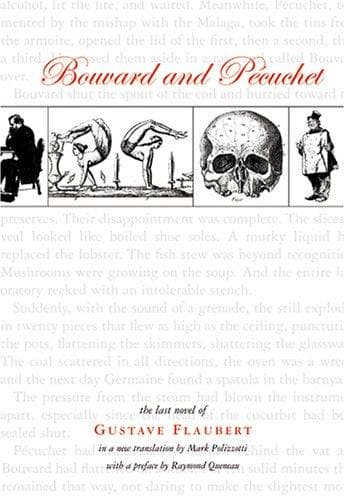
Known for extreme stylistic precision, Flaubert spent days polishing individual pages to achieve aesthetic cadences, exact word choice, and structural harmony. His writing combines detailed observation of everyday social experiences with a commitment to authorial objectivity. In works like his posthumously published comic novel Bouvard and Pecuchet, he explored human fallibility, bourgeois pretension, and the limits of intellectual ambition while avoiding overt moralizing or sentimentality.
Major Works
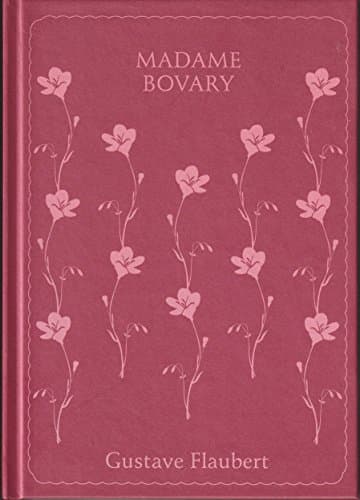
- Madame Bovary — Published in 1857, this landmark realistic novel follows Emma Bovary's discontent with provincial bourgeois marriage and remains Flaubert's most famous narrative.
- Sentimental Education — This 1869 novel offers an intricate portrait of personal ambition, romantic disillusionment, and political upheaval in nineteenth-century Paris.
- Bouvard and Pecuchet — Left unfinished at his death in 1880, this satirical novel details the comic and absurd intellectual endeavors of two retired copy clerks.
Madame Bovary

Sentimental Education