Time-traveling historians sent into pivotal eras of British history form the backbone of one of speculative fiction's most decorated bodies of work, beginning in earnest with the Oxford Time Travel series. Connie Willis established herself as a central figure in science fiction and fantasy through meticulously researched narrative arcs that blend historical tragedy, sharp comedic screwball elements, and deep human empathy. Her groundbreaking novels, such as Doomsday Book and To Say Nothing of the Dog, elevated the genre by exploring how ordinary individuals confront administrative chaos, crisis, and mortality across different centuries.
Career & Background
Born Constance Elaine Trimmer on December 31, 1945, in Denver, Colorado, Willis earned a Bachelor of Arts degree in English and elementary education from the University of Northern Colorado in Greeley in 1967. She spent over a decade teaching elementary and junior high school from 1967 through 1981 while developing her fiction. Her debut science fiction sale, 'The Secret of Santa Titicaca,' appeared in Worlds of Fantasy in 1970, followed by her first Hugo Award nomination for 'Daisy in the Sun' in 1979. A National Endowment for the Arts grant in 1982 allowed her to transition to full-time writing. In the years that followed, she achieved distinction by becoming the first author to win both the Hugo and Nebula Awards in all four fiction categories, ultimately winning eleven Hugo Awards and seven Nebula Awards for individual works. Her major contributions led to her induction into the Science Fiction Hall of Fame in 2009 and her designation as the 28th SFWA Grand Master in 2011.
Writing Style & Themes
Willis's fiction ranges from laugh-out-loud romantic comedies reminiscent of classic screwball cinema to harrowing, immersive survival stories set during historical disasters. A recurring thematic thread in her narrative landscape is the unpredictable friction between grand historical events and everyday human vulnerability, frequently depicted through administrative incompetence, miscommunication, and bureaucratic obstacles. Whether examining the devastation of the Black Death, the perils of the London Blitz, or near-death experiences in medical research, her stories balance detailed technical and historical research with engaging dialogue and profound character studies.
Major Works
- Doomsday Book — This Hugo and Nebula Award-winning novel follows Kivrin Engle, a time-traveling historian who becomes trapped in 14th-century England during the arrival of the Black Death, contrasting her struggle with a simultaneous viral outbreak in 2050 Oxford.
- To Say Nothing of the Dog — A comedic homage to Jerome K. Jerome's classic humor, this Hugo Award-winning entry in the Oxford Time Travel universe follows historians searching Victorian England for a missing church artifact amid romantic chaos and temporal incongruence.
- Blackout — The first volume of a two-part narrative set during World War II, following time-traveling scholars marooned in Blitz-era London as their mission parameters unravel.
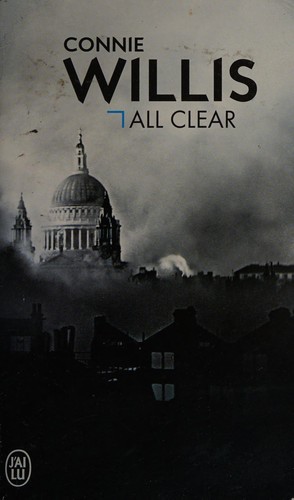
- All Clear — The Hugo and Nebula Award-winning conclusion to Blackout, where stranded historians work to survive the air raids of World War II and repair fractured timelines.
- Passage — A detailed novel examining the psychological and physiological mysteries of near-death experiences through hospital research and medical emergency.
- Remake — A science fiction exploration set in a future Hollywood where digital technology replaces live actors in motion pictures.
- Foundation's Friends — An anthology honoring Isaac Asimov's science fiction universe, featuring contributions alongside major speculative fiction authors.