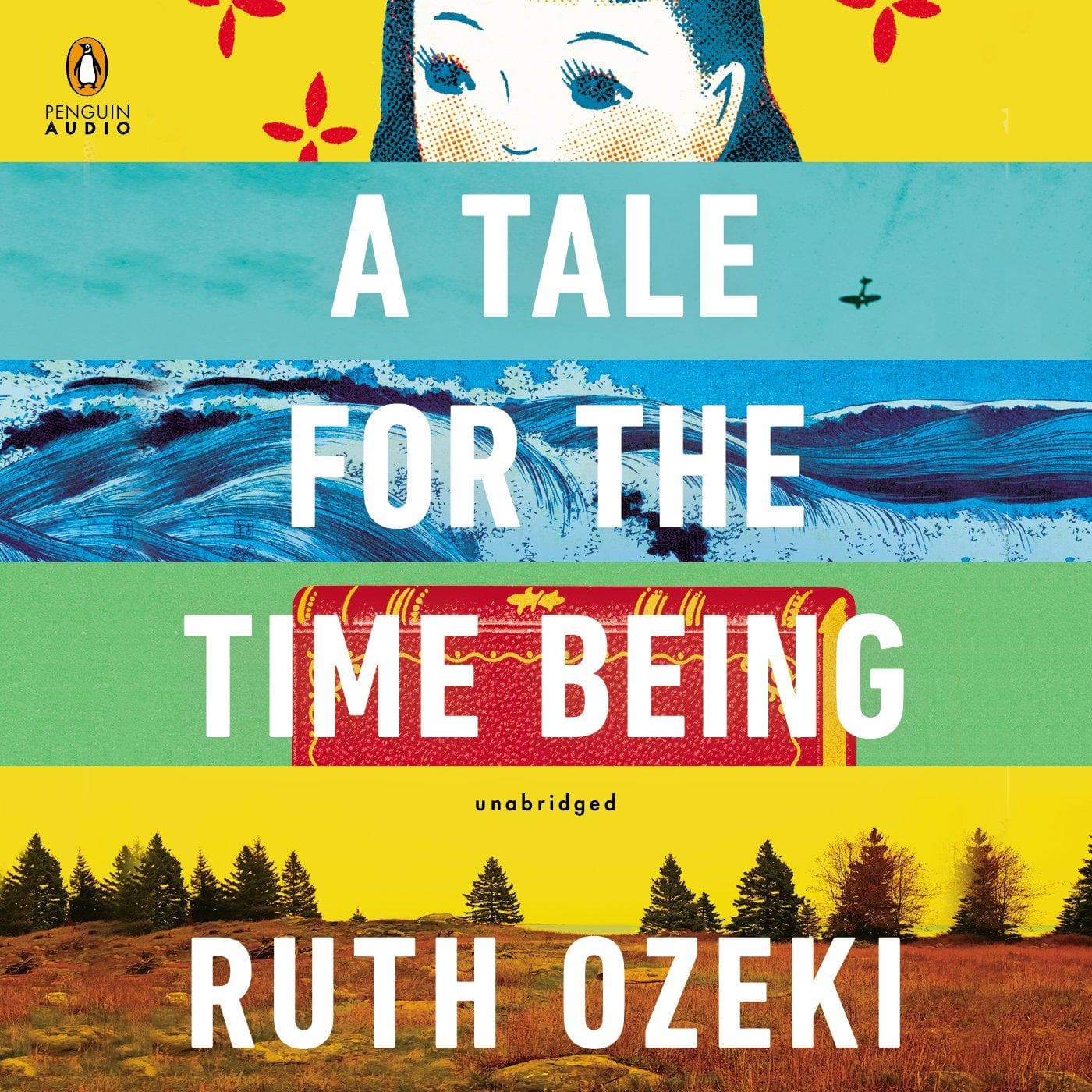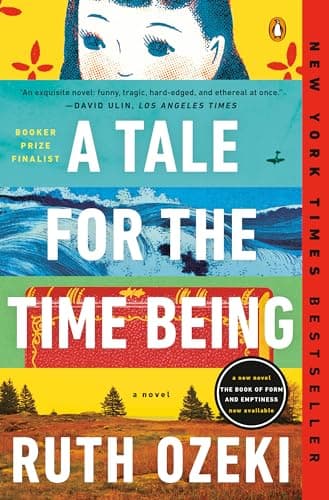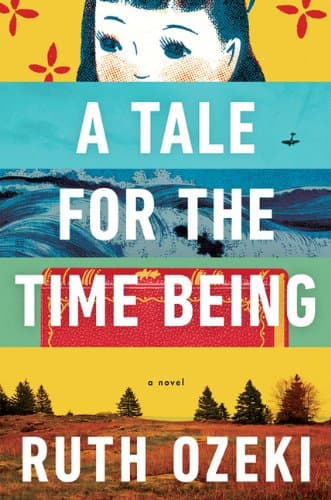
A brilliant, unforgettable, and long-awaited novel from bestselling author Ruth Ozeki "A time being is someone who lives in time, and that means you, and me, and every one of us who is, or was, or ever will be." In Tokyo, sixteen-year-old Nao has decided there's only one escape from her aching loneliness and her classmates' bullying. But before she ends it all, Nao plans to document the life of her great-grandmother, a Buddhist nun who's lived more than a century. A diary is Nao's only solace--and will touch lives in a ways she can scarcely imagine. Across the Pacific, we meet Ruth, a novelist living on a remote island who discovers a collection of artifacts washed ashore in a Hello Kitty lunchbox--possibly debris from the devastating 2011 tsunami. As the mystery of its contents unfolds, Ruth is pulled into the past, into Nao's drama and her unknown fate, and forward into her own future. Full of Ozeki's signature humour and deeply engaged with the relationship between writer and reader, past and present, fact and fiction, quantum physics, history, and myth, A Tale for the Time Being is a brilliantly inventive, beguiling story of our shared humanity and the search for home.
Add to your library to track progress and write reviews
Find A Tale for the Time Being Ruth Ozeki in PDF, EPUB, ebook, audiobook, print, or library editions.

1 books in catalog
Bridging contemporary fiction with Zen philosophy, environmental politics, and hybrid narrative formats, multi-layered prose explores the intersections of human connection, technology, and memory. The 2013 novel A Tale for the Time Being highlights this distinctive approach, telling the story of a diary washed ashore on a Canadian island that links a troubled teenager in Tokyo with a writer reflecting on time and mortality.
Ruth Ozeki has built a body of work that integrates personal storytelling with critical social and global issues, establishing her as an influential voice in modern fiction.
Born Ruth Diana Lounsbury on March 12, 1956, in New Haven, Connecticut, Ozeki was raised by a Japanese mother and an American father. She attended Smith College, graduating with degrees in English Literature and Asian Studies, before earning a Japanese Ministry of Education Fellowship to study classical Japanese literature at Nara Women's University.
In addition to her writing and filmmaking projects, Ozeki is a longtime Zen Buddhist practitioner. She was ordained as a Zen Buddhist priest by Zoketsu Norman Fischer in June 2010 and is affiliated with the Everyday Zen Foundation. Professionally, she served as the Grace Jarcho Ross 1933 Professor of Humanities at Smith College, where she taught creative writing and now holds the title of Professor Emerita. A dual citizen of Canada and the United States, she divides her time between Western Massachusetts, New York City, and British Columbia.
Ozeki's narrative style is characterized by experimental and hybrid structures that weave together science, technology, religion, environmental politics, and global popular culture. Her novels frequently examine complex socio-environmental concerns, including corporate agriculture, consumerism, race, war, and mental health.
Through meta-fictional techniques and alternating perspectives, her stories explore how individual lives connect to broader historical and ecological systems, often incorporating Buddhist concepts regarding impermanence, mindfulness, and the nature of self.