Add to your library to track progress and write reviews
Add to your library to track progress and write reviews

15 books in catalog
Character-driven science fiction often explores the quiet, human moments of space exploration rather than galactic wars or high-stakes conquest. Becky Chambers became one of the most prominent modern voices in optimistic science fiction through her debut novel, The Long Way to a Small, Angry Planet, which originated as a self-published Kickstarter project in 2012 before reaching a global readership through traditional publishers in 2015. Her work shifted focus away from grand military space operas toward intimate, lived-in depictions of diverse crews, community building, and peaceful interstellar contact.
Born Rebecca Marie Chambers on May 3, 1985, in Southern California, she grew up in a family deeply immersed in space science, with a father in aerospace engineering and a mother working as an astrobiology educator. Influenced early on by her family background and genre fiction, Chambers moved to the San Francisco Bay Area at eighteen to study theater at the University of San Francisco. After years working in theater production and management, she worked as a freelance writer and lived in Iceland and Scotland before returning to Northern California, where she lives with her wife, Berglaug Asmundardottir.
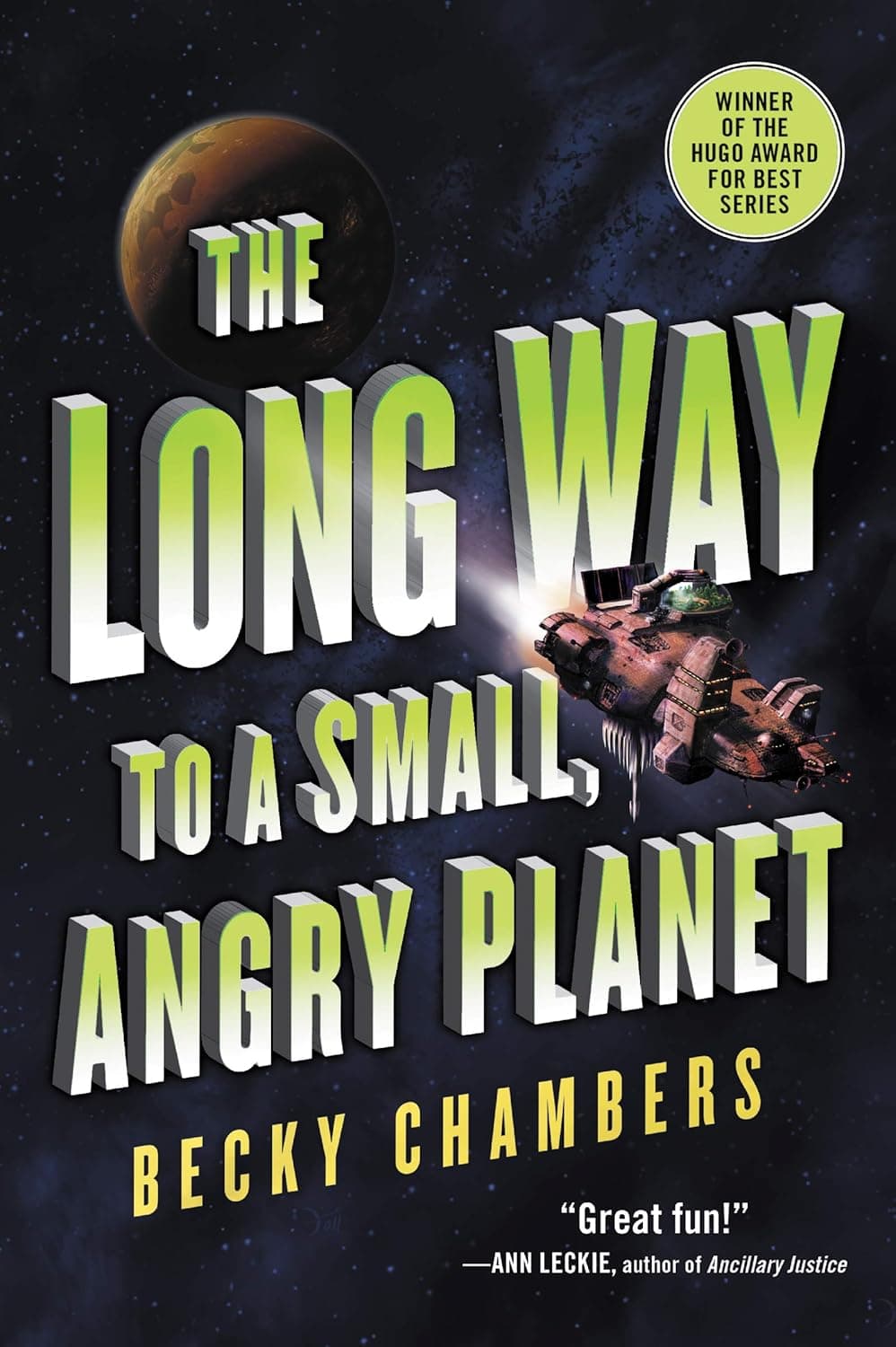
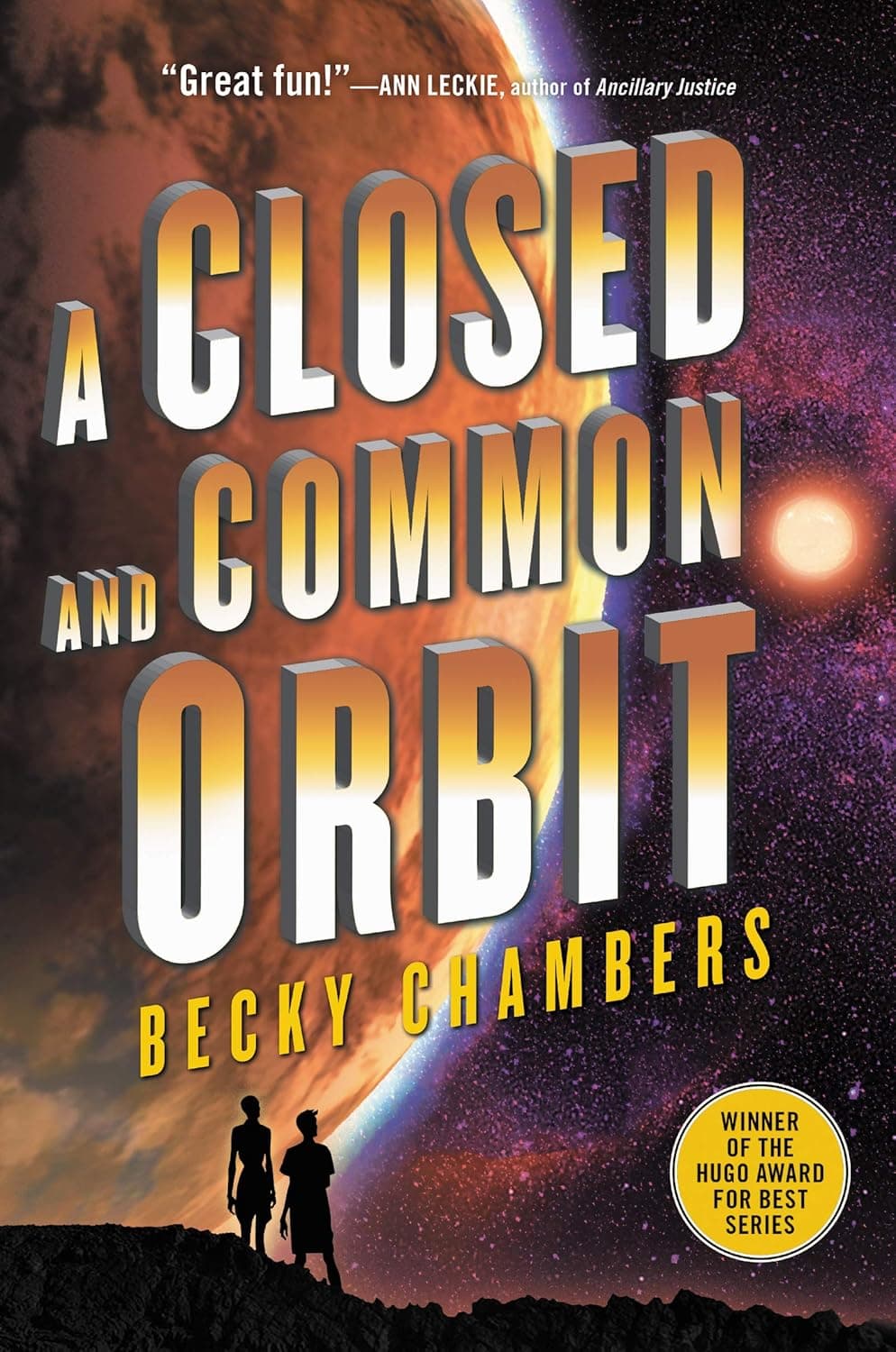
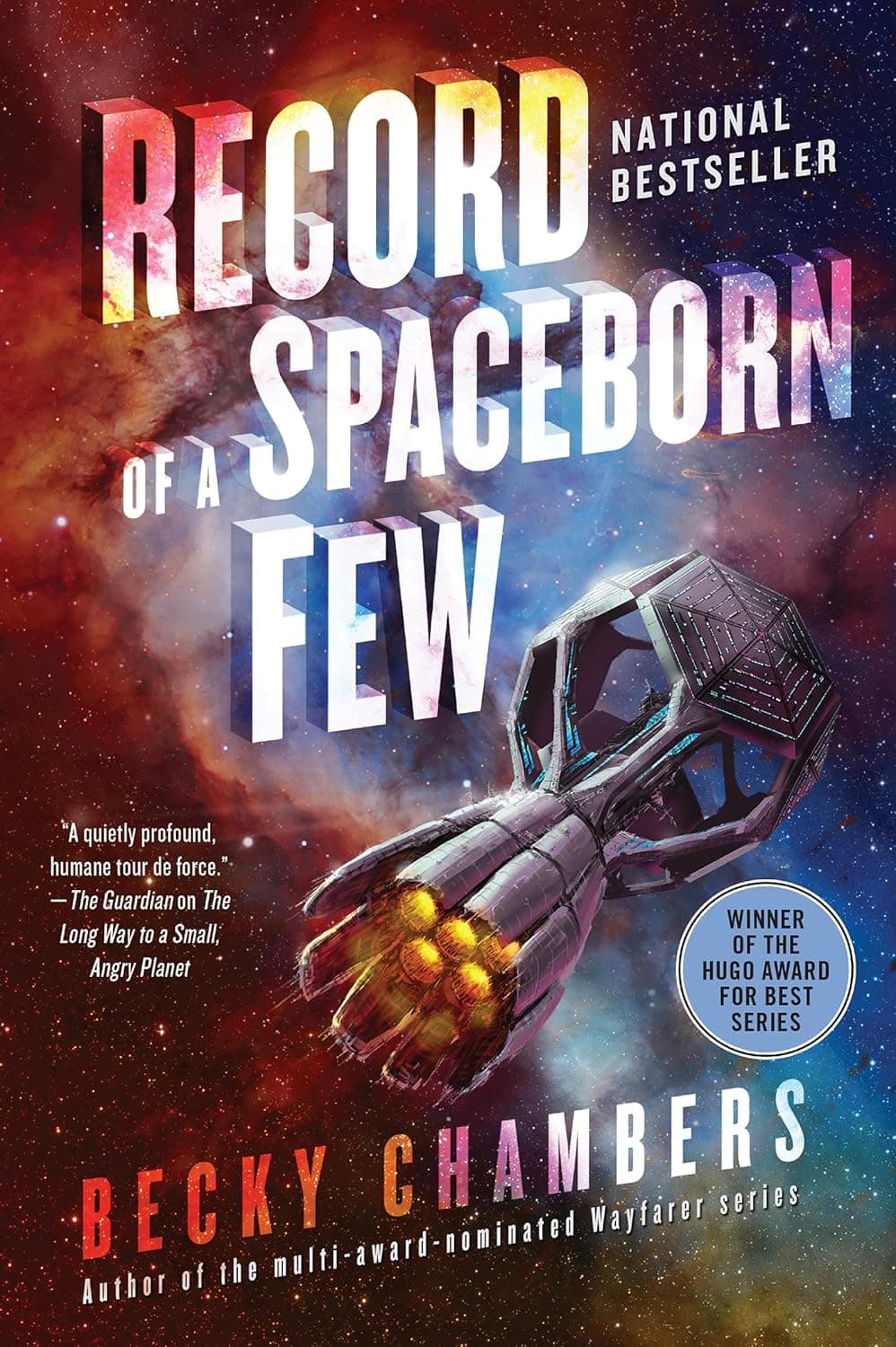
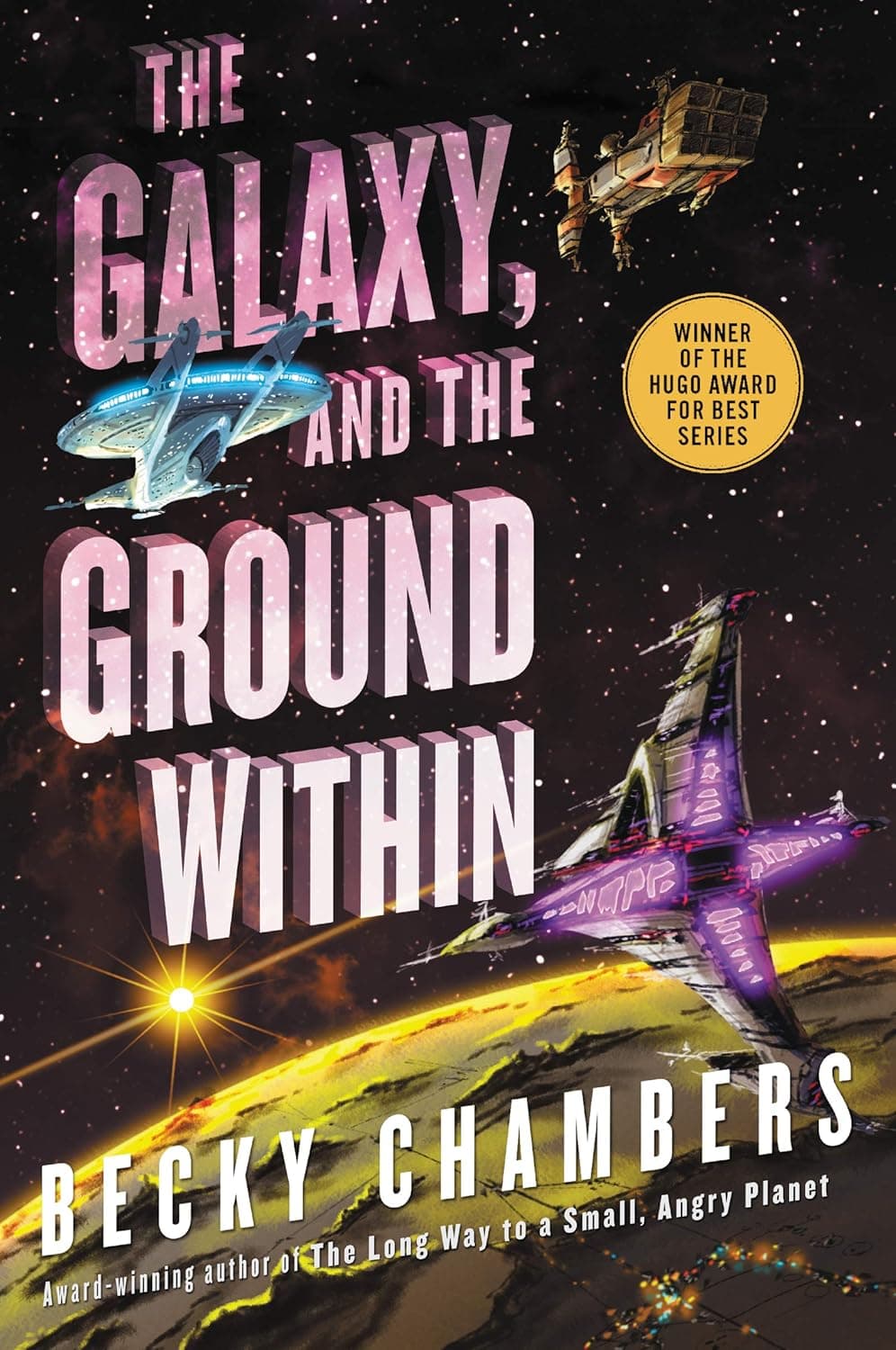
Chambers launched her career as a novelist by crowdfunding her debut, The Long Way to a Small, Angry Planet. Its success led to publication by Hodder & Stoughton and Harper Voyager, establishing the four-book Wayfarers series which won the Hugo Award for Best Series in 2019. She expanded her bibliography with the standalone novella To Be Taught, If Fortunate in 2019 and the Monk & Robot series, beginning with A Psalm for the Wild-Built, which won the 2022 Hugo Award for Best Novella.
Chambers is widely recognized as a key pioneer of the hopepunk and solarpunk subgenres, crafting quiet, character-driven narratives that emphasize empathy, mutual aid, and ecological harmony over existential conflict. Her stories frequently explore how sentient beings from different cultures and biological backgrounds navigate interpersonal relationships, shared work environments, and peaceful coexistence. Through detailed worldbuilding and gentle pacing, her prose focuses on domestic details, daily routines, and the emotional labor of individuals carving out a life in space or restorative futures.
15 books in catalog
Character-driven science fiction often explores the quiet, human moments of space exploration rather than galactic wars or high-stakes conquest. Becky Chambers became one of the most prominent modern voices in optimistic science fiction through her debut novel, The Long Way to a Small, Angry Planet, which originated as a self-published Kickstarter project in 2012 before reaching a global readership through traditional publishers in 2015. Her work shifted focus away from grand military space operas toward intimate, lived-in depictions of diverse crews, community building, and peaceful interstellar contact.
Born Rebecca Marie Chambers on May 3, 1985, in Southern California, she grew up in a family deeply immersed in space science, with a father in aerospace engineering and a mother working as an astrobiology educator. Influenced early on by her family background and genre fiction, Chambers moved to the San Francisco Bay Area at eighteen to study theater at the University of San Francisco. After years working in theater production and management, she worked as a freelance writer and lived in Iceland and Scotland before returning to Northern California, where she lives with her wife, Berglaug Asmundardottir.
Chambers launched her career as a novelist by crowdfunding her debut, The Long Way to a Small, Angry Planet. Its success led to publication by Hodder & Stoughton and Harper Voyager, establishing the four-book Wayfarers series which won the Hugo Award for Best Series in 2019. She expanded her bibliography with the standalone novella To Be Taught, If Fortunate in 2019 and the Monk & Robot series, beginning with A Psalm for the Wild-Built, which won the 2022 Hugo Award for Best Novella.
Chambers is widely recognized as a key pioneer of the hopepunk and solarpunk subgenres, crafting quiet, character-driven narratives that emphasize empathy, mutual aid, and ecological harmony over existential conflict. Her stories frequently explore how sentient beings from different cultures and biological backgrounds navigate interpersonal relationships, shared work environments, and peaceful coexistence. Through detailed worldbuilding and gentle pacing, her prose focuses on domestic details, daily routines, and the emotional labor of individuals carving out a life in space or restorative futures.
Wayfarers
Wayfarers
