
§Author· 10 books
William Gibson
Also known as William Ford Gibson
Speculative fiction that mapped the digital realm before the world wide web existed reshaped science fiction by fusing noir storytelling with visions of global computer networks. William Gibson introduced readers to the concept of virtual environments and coined the term "cyberspace" in his 1982 short story Burning Chrome, establishing a blueprint for the cyberpunk subgenre. His groundbreaking debut novel Neuromancer defined the iconography of the Information Age and demonstrated how emerging technology and human culture would collide.
Career & Background
Born in Conway, South Carolina, in 1948, Gibson relocated to Canada in 1968 and later settled in Vancouver, British Columbia, where he earned a Bachelor of Arts in English from the University of British Columbia in 1977. Beginning his writing career in the late 1970s, he emerged from obscurity in 1984 with the publication of his debut novel Neuromancer. The book achieved an unprecedented sweep of speculative fiction's top honors, winning the Hugo, Nebula, and Philip K. Dick Awards and establishing his reputation as a major voice in modern fiction.
Beyond his early fiction, Gibson expanded his output across multiple media, writing screenplays such as the film adaptation of his short story Johnny Mnemonic and co-authoring the Victorian alternate-history novel The Difference Engine with Bruce Sterling. The Guardian dubbed him the most important novelist in the last two decades of the 20th century for providing a vast renovation to science fiction and offering a fresh framing to understand the dawning Internet era.
Writing Style & Themes
Gibson's narrative approach is defined by a distinct combination of lowlife and high tech, blending gritty noir aesthetics with near-future explorations of cybernetics, artificial intelligence, and vast computer networks. His stories frequently center on disenfranchised protagonists—such as hackers, mercenaries, and data thieves—navigating urban squalor and corporate espionage within landscapes dominated by global digital infrastructure.
Rather than focusing on distant technological utopias, his fiction investigates the immediate social and psychological effects of network technology on human identity. His work caromed across digital media and literature, framing modern reality through dense, sensory prose that anticipated virtual reality and the pervasive connectivity of the late twentieth century.
Major Works
- Neuromancer — Published in 1984, this debut novel centers on a washed-up console cowboy hired for a high-stakes run through a world-spanning computer matrix, sweeping the Hugo, Nebula, and Philip K. Dick Awards.
- Burning Chrome — First published as a short story in 1982, this seminal work introduced the term "cyberspace" and showcased Gibson's signature combination of lowlife and high tech.
- Count Zero — The 1986 second book in the Sprawl trilogy, exploring autonomous artificial intelligences inhabiting the matrix alongside interconnected corporate espionage plots.
- Mona Lisa Overdrive — The 1988 conclusion to the Sprawl trilogy that weaves together storylines involving digital ghost personalities, mercenary operations, and cyberspace phenomena.
- Virtual Light — A 1993 near-future novel set in a post-earthquake California, following a bicycle courier who unintentionally intercepts highly sensitive data stored in stolen sunglasses.
- The Difference Engine — Co-authored with Bruce Sterling, this Victorian-era alternate history novel explores an industrial age driven by mechanical computing and helped establish the steampunk subgenre.
§All Books
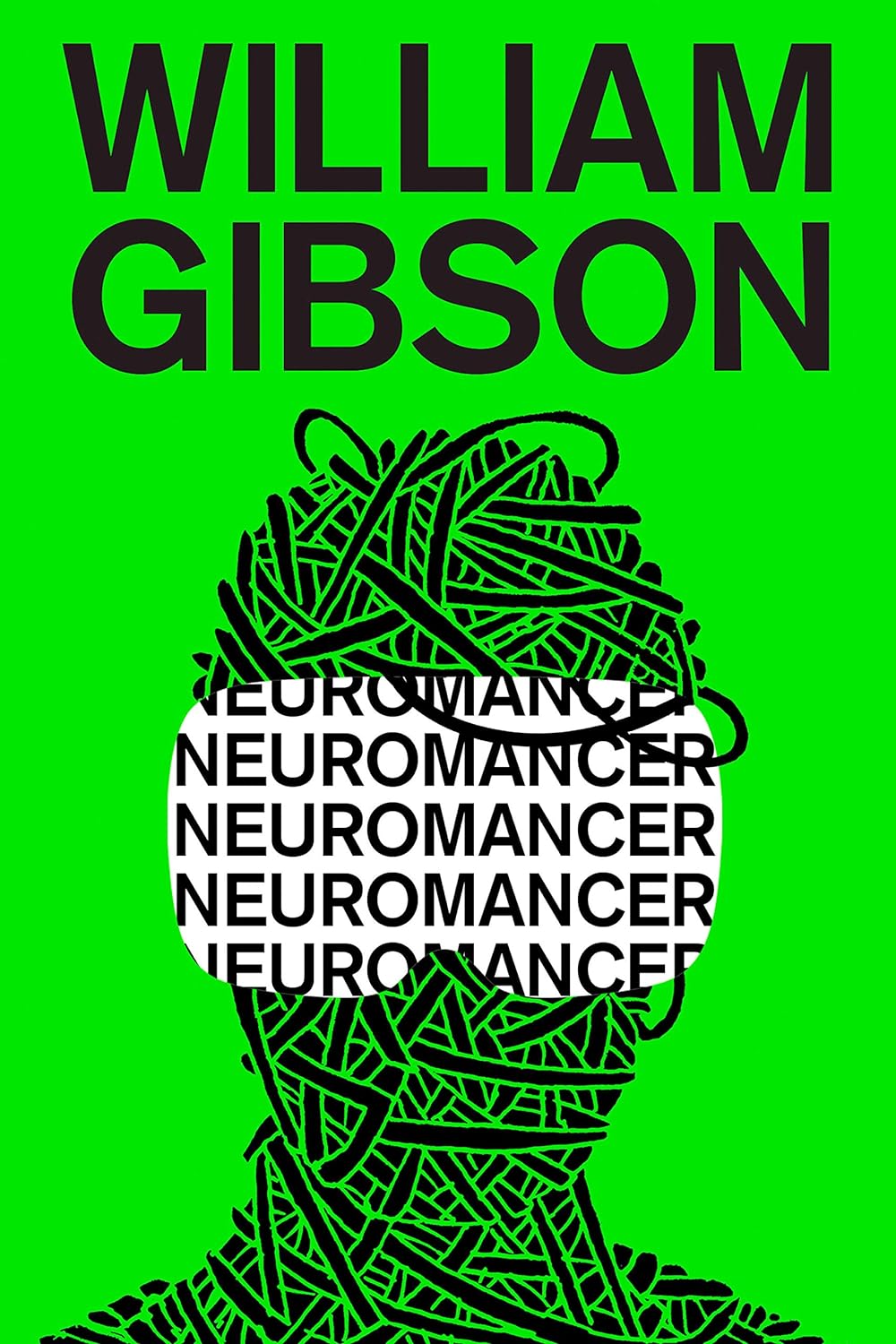
Neuromancer
William Gibson, 1984
1,505 ratings

Count Zero
William Gibson, 1986
282 ratings

Mona Lisa Overdrive
William Gibson, 1988
238 ratings
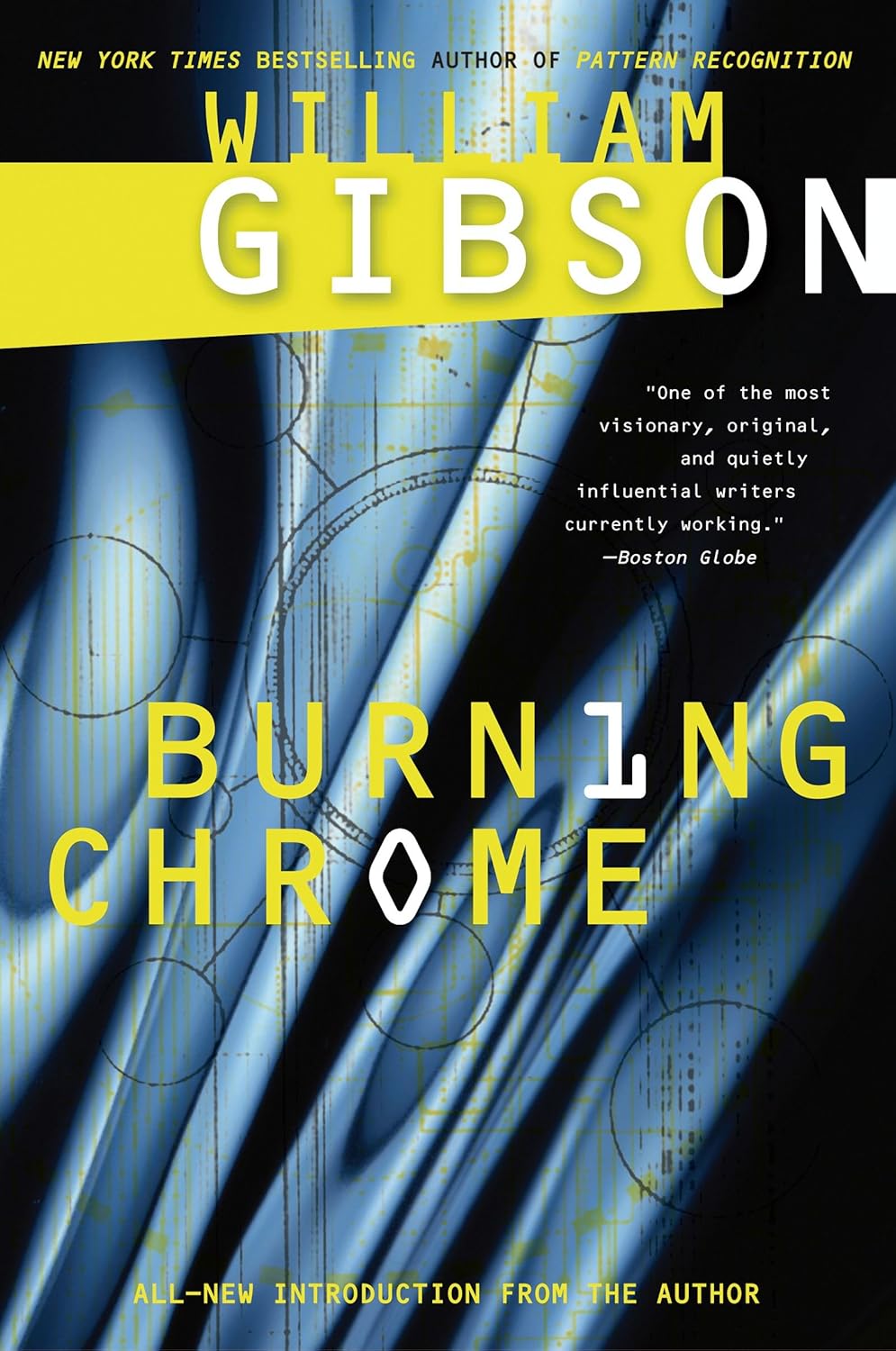
Burning Chrome
William Gibson, 1981
225 ratings
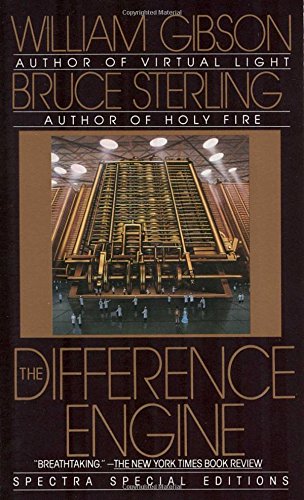
The Difference Engine
Bruce Sterling, 1990
134 ratings

Virtual Light
William Gibson, 1993
111 ratings
The Miracle Worker: A Play
William Gibson, 1960
15 ratings
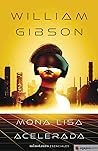
Mona Lisa acelerada
William Gibson, 1988
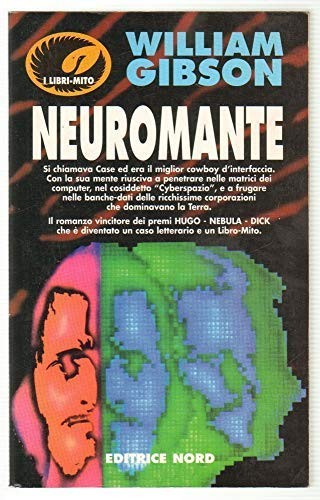
Neuromante
William Gibson, 1984
Giù nel cyberspazio
William Gibson, 1986
§ About William Gibson's books
- Books on SansFiction
- 10
- Published
- 1960–1993
- Average rating
- 3.8 / 5 across 2,510 ratings
- Genres
- Classics, Fantasy, Fiction, Dystopian
- Series
- Sprawl
Start here: Neuromancer (1984)
Case was the sharpest data-thief in the matrix—until he crossed the wrong people and they crippled his nervous system, banishing him from cyberspace. Now a mysterious new employer has recruited him for a last-chance run at an unthinkably powerful artificial intelligence.
Sprawl: reading order
Common questions about William Gibson
- Who is William Gibson?
- Born in Conway, South Carolina, in 1948, Gibson relocated to Canada in 1968 and later settled in Vancouver, British Columbia, where he earned a Bachelor of Arts in English from the University of British Columbia in 1977. Beginning his writing career in the late 1970s, he emerged from obscurity in 1984 with the publication of his debut novel Neuromancer.
- What is William Gibson best known for?
- William Gibson is best known for Neuromancer, published in 1984 with 1,505 ratings and a 3.8 average. It is the most-rated of William Gibson's books on SansFiction.
- How many books has William Gibson written?
- SansFiction lists 10 books by William Gibson, published between 1960 and 1993. The most popular are Neuromancer, Count Zero, Mona Lisa Overdrive, Burning Chrome and The Difference Engine .
- What order should I read William Gibson's Sprawl books in?
- Read the Sprawl books in series order: 0. Burning Chrome, 1. Neuromancer, 1. Neuromante, 2. Count Zero, 2. Giù nel cyberspazio, 3. Mona Lisa Overdrive, 3. Mona Lisa acelerada.
- What genres does William Gibson write?
- William Gibson's books on SansFiction are tagged Classics, Fantasy, Fiction and Dystopian.