
§Author· 7 books
Virginia Woolf
Also known as Adeline Virginia Stephen, Virginia Stephen
Pioneering non-linear storytelling and interior monologue, modern fiction was reshaped through interiority, shifting perspectives, and acute psychological observation, exemplified by the landmark 1925 novel Mrs Dalloway. Virginia Woolf helped transform twentieth-century literature by moving beyond conventional Victorian narrative structures to capture the flow of human consciousness.
Her major works explored the passage of time, artistic creation, social constraints, and the internal life, generating enduring interest in feminist theory and modernism through influential titles such as To the Lighthouse and A Room of One's Own.
Career & Background
Born Adeline Virginia Stephen in London in 1882, she was raised in an affluent and intellectual household by her parents, Sir Leslie Stephen and Julia Prinsep Jackson. She grew up in a blended family of eight children, including her sister, the painter Vanessa Bell, and received a private education at home in English classics and Victorian literature before attending King’s College London to study classics and history. She began publishing professionally in 1900. After the death of her father in 1904, she moved with her siblings to the bohemian Bloomsbury district, where she became a founding member of the intellectual Bloomsbury Group. She married Leonard Woolf in 1912, and together they founded the Hogarth Press in 1917, a publishing enterprise that printed her own novels alongside works by contemporary writers. Over the following decades she rose to prominence during the interwar period. The couple eventually settled in Sussex in 1940, remaining deeply connected to literary circles throughout their lives.
Writing Style & Themes
Woolf's narrative approach is defined by stream-of-consciousness narration, fluid temporal shifts, and deep psychological immersion. Moving away from plot-heavy Victorian realism, her prose captures impressionistic moments of perception, interior monologue, and the subjective experience of time. Her themes frequently examine gender inequality, patriarchal social structures, the challenges faced by women artists, and the fragile nature of personal memory. Non-linear structures allow her characters to experience memory and present reality simultaneously, bridging personal intimacy with broader historical reflection.
Major Works
- Mrs Dalloway — Published in 1925, Mrs Dalloway follows Clarissa Dalloway over a single day in post-World War I London as she prepares for a party, examining themes of mental illness, social isolation, and temporal fluidity through stream-of-consciousness narration.
- To the Lighthouse — Published in 1927, To the Lighthouse centers on the Ramsay family's visits to the Isle of Skye, using shifting perspectives to explore family dynamics, loss, and artistic creation across a decade span.
- Orlando — Published in 1928, Orlando is a satirical, centuries-spanning biographical novel following a young nobleman who changes gender and lives through three hundred years of English history and literary culture.
- A Room of One's Own — Published in 1929, A Room of One's Own is an extended essay based on lectures given at Cambridge women's colleges, arguing that women require financial independence and personal space to create art.
- Jacob's Room — Published in 1922, Jacob's Room is an early experimental novel depicting the life of Jacob Flanders primarily through the reflections, perceptions, and memories of those around him.
- The waves — Published in 1931, The waves presents the intertwined internal monologues of six friends from childhood to old age, interspersed with evocative descriptions of a coastal landscape.
- The Years — Published in 1937, The Years traces fifty years in the history of the Pargiter family from the Victorian era to the 1930s, contrasting domestic private lives with public historical change.
§All Books
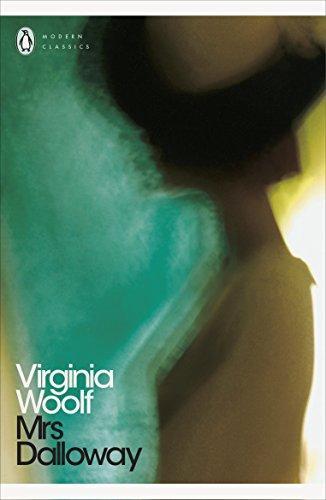
Mrs Dalloway
Virginia Woolf, 1923
396 ratings
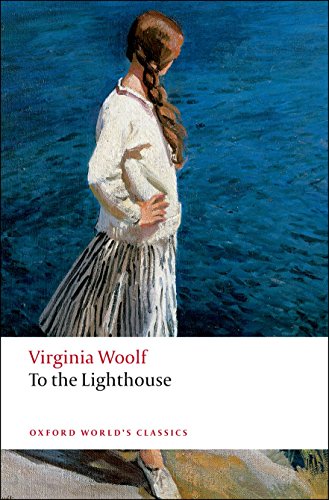
To the Lighthouse
Virginia Woolf, 1925
287 ratings

Orlando
Virginia Woolf, 1919
178 ratings
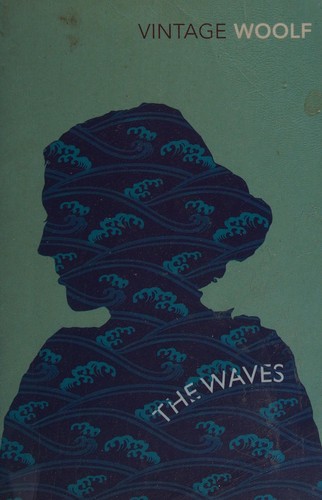
The waves
Virginia Woolf, 1931
82 ratings

A Room of One's Own
Virginia Woolf, 1929
61 ratings

Jacob's Room
Virginia Woolf, 1922
12 ratings
The Years
Virginia Woolf, 1937
4 ratings
§ About Virginia Woolf's books
- Books on SansFiction
- 7
- Published
- 1919–1937
- Average rating
- 3.8 / 5 across 1,020 ratings
- Genres
- General, Literature, Classics, Lgbtq
Start here: Mrs Dalloway (1923)
Virginia Woolf’s novel chronicles a day in the life of Clarissa Dalloway, a politician’s wife in 1920s London, as she prepares to host a party that evening. The narrative follows Clarissa’s thoughts (and sometimes those of people she meets) as she goes about her errands, and events in the day remind her of her youth and friendships from the past.
Common questions about Virginia Woolf
- Who is Virginia Woolf?
- Born Adeline Virginia Stephen in London in 1882, she was raised in an affluent and intellectual household by her parents, Sir Leslie Stephen and Julia Prinsep Jackson.
- What is Virginia Woolf best known for?
- Virginia Woolf is best known for Mrs Dalloway, published in 1923 with 396 ratings and a 3.7 average. It is the most-rated of Virginia Woolf's books on SansFiction.
- How many books has Virginia Woolf written?
- SansFiction lists 7 books by Virginia Woolf, published between 1919 and 1937. The most popular are Mrs Dalloway, To the Lighthouse, Orlando, The waves and A Room of One's Own.
- Which Virginia Woolf book should I read first?
- Mrs Dalloway is the usual place to start: it is Virginia Woolf's most-rated book here, with a 3.7 average.
- What genres does Virginia Woolf write?
- Virginia Woolf's books on SansFiction are tagged General, Literature, Classics and Lgbtq.
Explore: General · Literature · Classics · Lgbtq