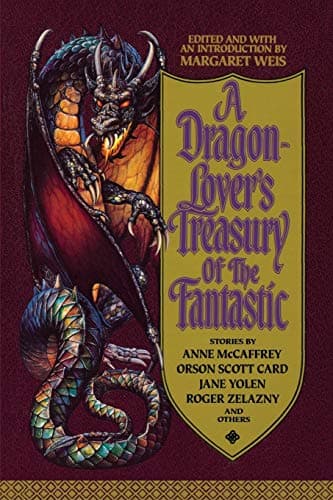
Orson Scott Card
Science fiction literature was profoundly shaped by the publication of landmark speculative novels exploring military strategy, moral responsibility, and empathy across alien species. American novelist, critic, public speaker, essayist, and columnist Orson Scott Card achieved widespread acclaim with his novel Ender's Game in 1985 and its sequel Speaker for the Dead in 1986. Both books won the Hugo and Nebula Awards, making Card the only author to win both of science fiction's top U.S. prizes in consecutive years.
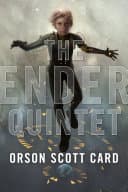
Beyond the main narrative sequence of The Ender Quintet and parallel storylines like Ender's Shadow, Card's extensive bibliography spans science fiction, frontier fantasy, biblical historical fiction, contemporary fantasy, and stage plays.
Career & Background
Born in Richland, Washington, in 1951, Card grew up in Utah and California. While attending Brigham Young University, his original plays were performed on stage, starting a long period of theatrical work that included dozens of plays and musical comedies produced throughout the 1960s and 1970s. After serving as an LDS Church missionary in Brazil, where he directed a community theater for two summers, Card made his fiction debut in 1977 with the short story 'Gert Fram' and the original novelet version of 'Ender's Game' in Analog magazine. He published 27 short stories between 1978 and 1979, won the John W. Campbell Award for Best New Writer in 1978, and completed a master's degree in English at the University of Utah in 1981.
Writing Style & Themes
Card's writing often focuses on exceptionally intelligent, emotionally burdened young protagonists who must navigate high-stakes ethical dilemmas, military training, and societal demands. His speculative fiction emphasizes empathy, redemption, and the complexities of human and alien interaction, combining tactical precision with character-driven reflection. In addition to space opera, he developed American frontier fantasy in The Tales of Alvin Maker series—including Seventh Son, Red Prophet, and Prentice Alvin—as well as contemporary fantasy novels such as Lost Boys and Enchantment.
Major Works
- Ender's Game — The 1985 Hugo and Nebula Award-winning science fiction novel detailing child prodigy Ender Wiggin's preparation at Battle School to defend humanity against an alien force.
- Speaker for the Dead — The 1986 Hugo and Nebula Award-winning sequel in which an older Ender travels to Lusitania to investigate a newly discovered sentient species and advocate for understanding.
- Xenocide — A prominent entry in The Ender Quintet exploring complex philosophical, biological, and political tensions on Lusitania.
- Ender's Shadow — A parallel novel retelling the events of Battle School through the perspective of the brilliant street orphan Bean.
- Seventh Son — The first novel in The Tales of Alvin Maker series, establishing an alternate 19th-century American frontier filled with folk magic.
- Red Prophet — The second book in The Tales of Alvin Maker series, deepening the alternate historical fantasy and Alvin's mystical calling.
- Prentice Alvin — The third installment in The Tales of Alvin Maker sequence, following Alvin's journey to master his abilities as a Maker.
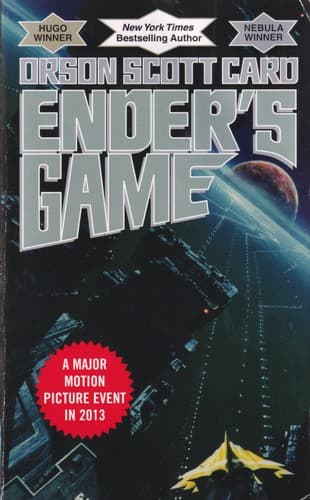
Ender's Game
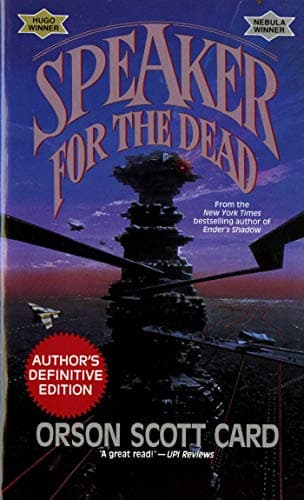
Speaker for the Dead
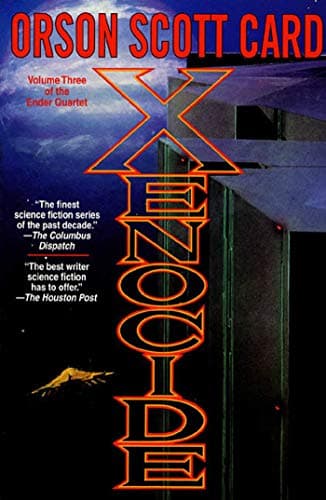
Xenocide
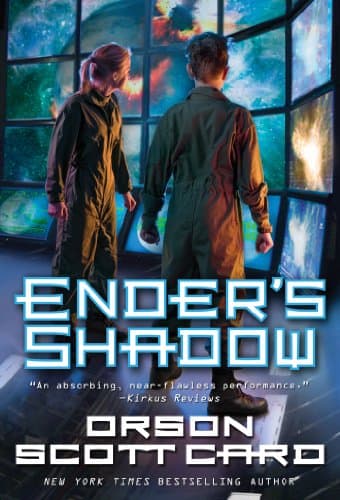
Ender's Shadow
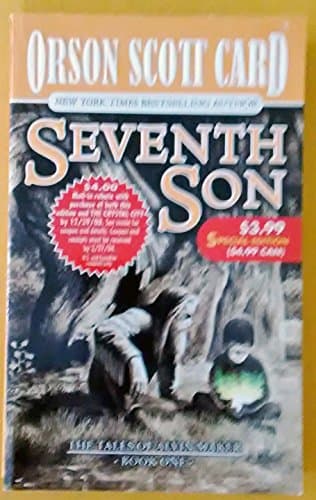
Seventh Son
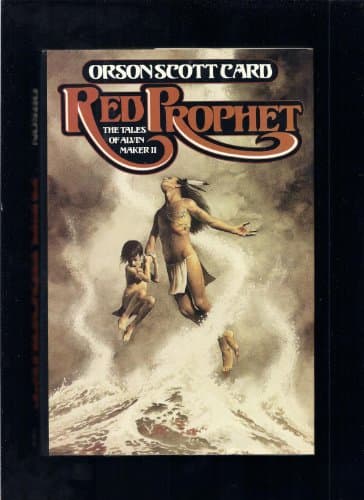
Red Prophet
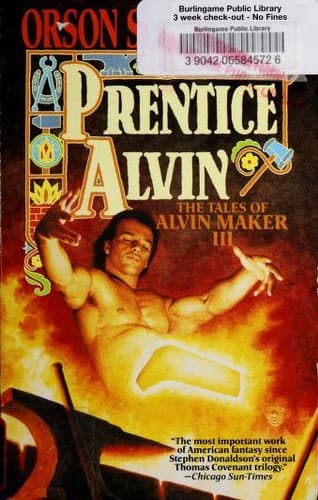
Prentice Alvin
Foundation's Friends
The Ender Quintet