John Tenniel
Also known as Sir John Tenniel
The realm of nineteenth-century book illustration and satire was fundamentally shaped by detailed line drawings that brought fantastical literature and political commentary to life.
John Tenniel provided the iconic visual foundation for Lewis Carroll's fantasy classics, creating images that defined how generations of readers envision literary characters. Best known for illustrating Alice's Adventures in Wonderland, his artwork established a distinctive aesthetic standard for Victorian publication and visual narrative.
Career & Background
Born in Bayswater, West London, on February 28, 1820, John Tenniel was the son of John Baptist Tenniel, a fencing and dancing master of Huguenot descent, and Eliza Maria Tenniel. He briefly attended the Royal Academy of Arts before continuing as a largely self-taught artist. At age sixteen in 1836, he exhibited his first oil painting at the Society of British Artists. In 1840, a fencing accident with his father caused him to lose sight in his right eye, though he maintained an even temper and continued his artistic pursuits without publicly dwelling on the injury. In 1845, Tenniel submitted a 16-foot cartoon design for mural decorations at the new Palace of Westminster, winning a £100 prize and a commission for a fresco.
Tenniel subsequently built a long, distinguished career as a graphic humorist and political cartoonist. He joined the satirical magazine Punch, serving as its principal political cartoonist for over 50 years. In 1893, he was knighted for his artistic achievements, becoming the first illustrator or cartoonist to receive a knighthood. He lived until February 25, 1914, leaving behind a vast body of influential graphic art.
Writing Style & Themes
Tenniel was celebrated for an intelligent, highly detailed style that elevated the cultural standing and prestige of illustrators and cartoonists during the Victorian era. His technique relied on precise linework, refined compositional structure, and sharp satirical humor. Whether drafting political cartoons for the weekly press or crafting imaginative figures for children's literature, his artwork combined realism with subtle absurdity, grounding extraordinary characters in believable visual textures.
Major Works
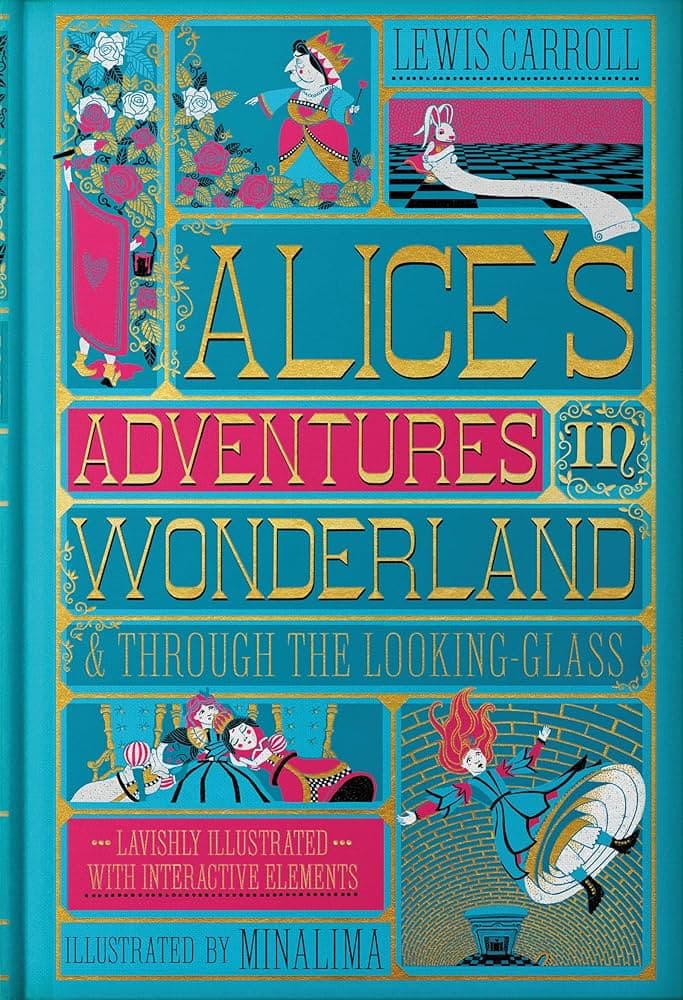
- Alice's Adventures in Wonderland — Published in 1865 in collaboration with author Lewis Carroll, this classic work features Tenniel's original illustrations, bringing characters like the White Rabbit and the Mad Hatter to visual life.
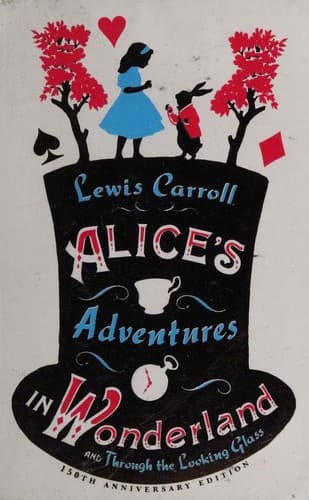
- Alice's Adventures in Wonderland and Through the Looking Glass — This combined volume highlights his seminal artwork for both the original 1865 story and its 1871–1872 sequel Through the Looking-Glass, solidifying his defining visual interpretations of Carroll's imaginative universe.
Alice's Adventures in Wonderland