J. D. Salinger
Also known as Jerome David Salinger, J.D. Salinger
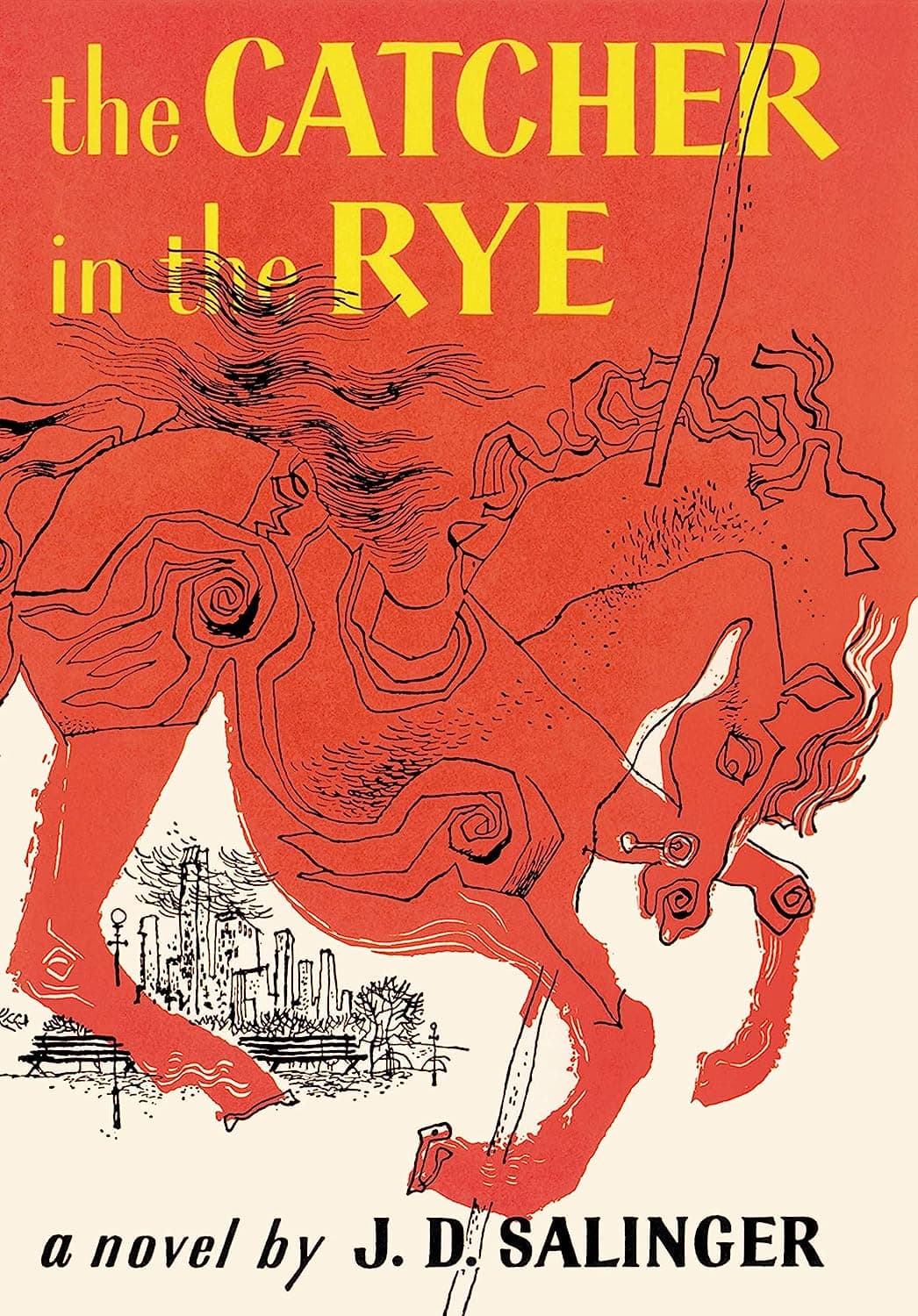
American post-World War II fiction gained one of its most enduring portrayals of adolescent alienation through the 1951 novel The Catcher in the Rye. Written by J. D. Salinger, the novel introduced readers to Holden Caulfield, whose distinctive voice, acute insecurities, and rejection of social hypocrisy resonated widely across generations of readers.
Following his initial publication successes in mid-century American periodicals, Salinger shifted toward increasingly introspective short fiction published primarily in The New Yorker, frequently focusing on the eccentricities and spiritual struggles of the fictional Glass family.
Career & Background
Jerome David Salinger was born on January 1, 1919, in New York City to Sol Salinger, a prosperous importer, and Miriam Salinger. Raised in Manhattan, he attended local private institutions, including the McBurney School, before publishing his first short story in Story magazine in 1940. Salinger served in the United States Army during World War II, an experience that significantly influenced his later writings. Following his military service, he established a key creative partnership with The New Yorker, which published his critically acclaimed 1948 story 'A Perfect Day for Bananafish'.
The release of The Catcher in the Rye in 1951 brought Salinger immediate international attention. Uncomfortable with sudden public prominence and the persistent intrusion of journalists and fans, he withdrew to Cornish, New Hampshire, maintaining a private lifestyle while continuing to publish novellas such as Franny and Zooey. Salinger died in Cornish on January 27, 2010. Shortly after his death, on 28 January, 2010:, The New Yorker highlighted his ongoing influence by making several of his classic short stories accessible online.
Writing Style & Themes
Salinger's narrative style is defined by idiomatic dialogue, psychological depth, and complex symbolism. His work examines adolescent insecurity, adult disillusionment, spiritual seeking, and the conflict between individual integrity and social expectation. By blending conversational immediacy with sharp emotional observation, Salinger created intimate character studies that capture the vulnerability and inner turmoil of his protagonists.
Major Works
- The Catcher in the Rye — Published in 1951, this novel details Holden Caulfield's wandering days in New York City, exploring grief, innocence, and isolation.
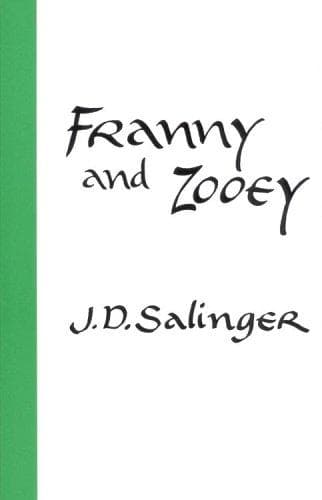
- Franny and Zooey — Published in book form in 1961, this work combines two stories exploring spiritual breakdown and familial bond among the Glass siblings.
- Raise High the Roof Beam, Carpenters; Seymour - an Introduction — Published in 1963, these novellas focus on the life and literary reflection surrounding Seymour Glass.
- For Esmé - with Love and Squalor — A key short story collection featuring Salinger's post-war perspectives on trauma, empathy, and youth.
The Catcher in the Rye