Helene Wecker
Also known as Helene Deborah Wecker
Combining folklore traditions with turn-of-the-century historical fiction, speculative fantasy often explores how mythical beings assimilate into human society. Author Helene Wecker gained widespread recognition with her debut novel, The Golem and the Djinni (also published as The Golem and the Jinni), which weaves Jewish and Middle Eastern mythology into the immigrant neighborhood landscape of 1899 New York City.
Career & Background
Born Helene Deborah Wecker in September 1975 in Libertyville, Illinois, she grew up in the northern suburbs of Chicago. She earned a Bachelor of Arts in English from Carleton College before working in marketing and communications in Minneapolis and Seattle. Deciding to return to fiction writing full-time, she relocated to New York City and earned a Master of Fine Arts in Fiction Writing from Columbia University, where early workshop exercises sparked the initial concept for her debut novel.
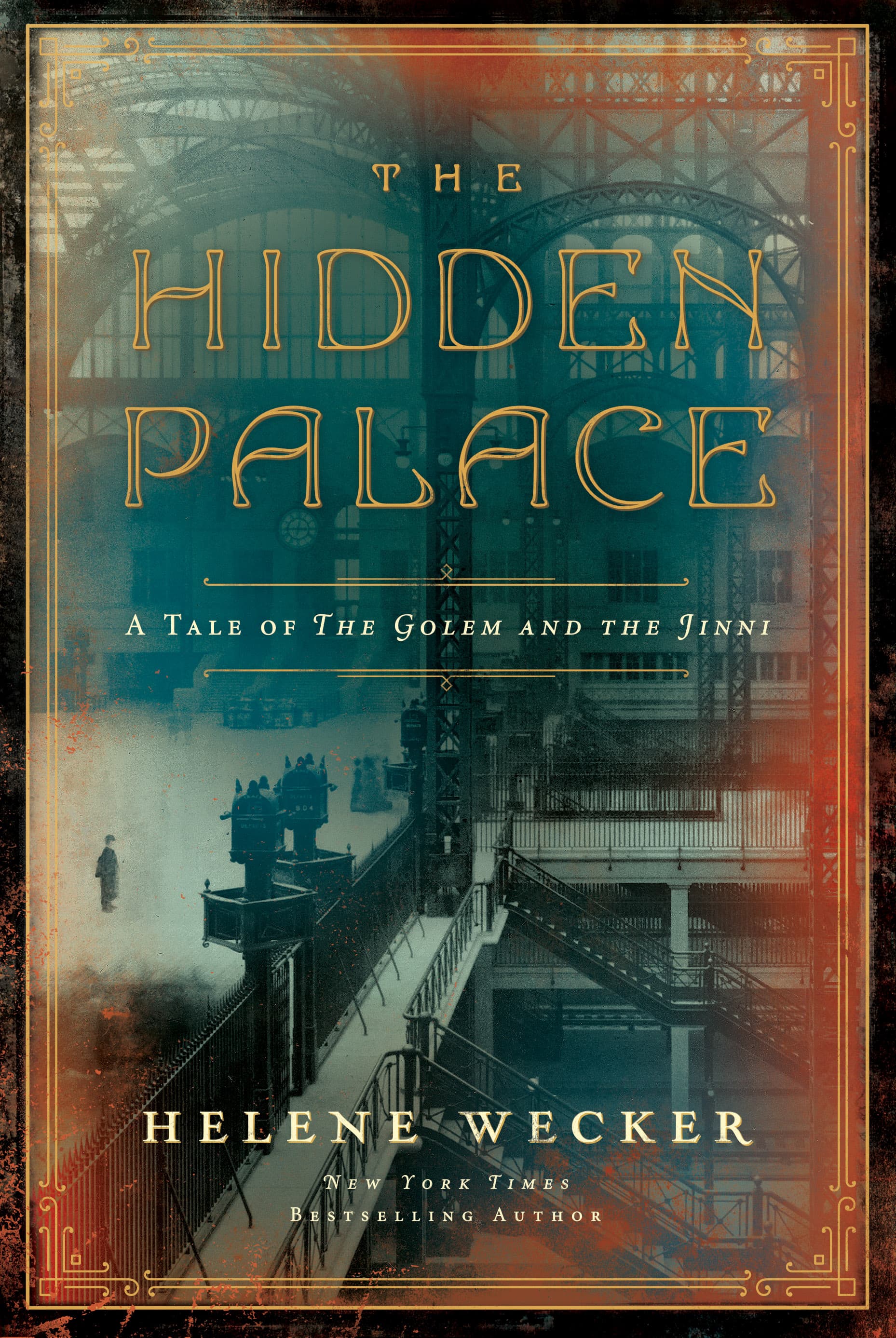
Her debut novel achieved widespread critical acclaim and appeared on bestseller lists for The New York Times and the San Francisco Chronicle. The work received the Mythopoeic Award for Adult Literature, the VCU Cabell Award for First Novel, the Harold U. Ribalow Prize, and a National Jewish Book Award, along with nominations for the Nebula Award and the World Fantasy Award. She later continued the narrative with her sequel, The Hidden Palace. Her shorter work has appeared in literary publications such as Joyland and Catamaran, as well as the speculative anthology The Djinn Falls in Love and Other Stories.
Writing Style & Themes
Wecker's writing is characterized by meticulous historical research, evocative period settings, and empathetic character development. By bringing together two distinct supernatural creatures—a golem crafted from clay rooted in Jewish folklore and a jinni forged from fire originating in Middle Eastern lore—her work examines themes of displacement, cultural identity, free will, and the immigrant experience in early twentieth-century America. Her narratives blend elements of traditional myth and fairy tales with grounded historical realism.
Major Works
- The Golem and the Djinni — Her award-winning debut historical fantasy novel follows a female golem and a male jinni who unexpectedly meet and form an unlikely friendship while attempting to navigate human society in 1899 New York City.
- The Hidden Palace — The sequel to her debut novel continues the expansive story of Chava and Ahmad as they deal with evolving personal relationships, secret identities, and shifting cultural landscapes across the early decades of the twentieth century.

The Golem and the Djinni