
§Author· 5 books
Harlan Ellison
Also known as Cordwainer Bird, Nalrah Nosille
Speculative fiction gained one of its most prolific and influential short-form creators through a body of work spanning over 1,700 short stories, novellas, essays, screenplays, and teleplays. Harlan Ellison reshaped modern science fiction, dark fantasy, and horror with visceral prose and provocative themes, earning wide recognition for iconic works such as I Have No Mouth and I Must Scream.
Through landmark anthologies, groundbreaking short fiction, and acclaimed television scripts, Ellison asserted a powerful presence across print and visual media. His career left a lasting mark on genre literature, bringing fierce creative independence and challenging ethical dilemmas to speculative storytelling.
Career & Background
Born on May 27, 1934, in Cleveland, Ohio, Harlan Jay Ellison was raised in Ohio and attended Ohio State University for eighteen months before leaving following a dispute with a creative writing professor. He published his earliest fiction during the 1950s, launching his professional literary output with short stories and early collections such as The Deadly Streets in 1958. Ellison expanded his reach into screenwriting during the 1960s and 1970s, contributing memorable scripts for network television while maintaining a relentless pace in short fiction. He famously wrote stories live in bookstore display windows across major cities including Paris, London, New York, and Los Angeles to demonstrate the public craft of fiction writing.
Over a career spanning more than four decades, Ellison earned numerous prestigious honors, including eight and a half Hugo Awards, three Nebula Awards, and six Bram Stoker Awards, alongside a Bram Stoker Lifetime Achievement Award from the Horror Writers Association. In addition to his single-author collections and critical essays, he served as a creative consultant for television series such as Babylon 5. He continued writing, editing, and commenting on contemporary media until his death on June 28, 2018.
Writing Style & Themes
Ellison's prose is distinguished by intense emotional energy, rapid cadence, and a sharp focus on human moral fragility under extreme conditions. Rather than confining his writing strictly to hard science fiction, he operated fluidly across fantasy, horror, and surreal speculative fiction, frequently resisting narrow genre labels. His narratives explore themes of existential dread, bureaucratic absurdity, technological tyranny, personal responsibility, and emotional resilience.
In his short fiction and critical writings, Ellison frequently employed surreal metaphors, dark humor, and confrontational moral scenarios that force characters into agonizing choices. His editing work also championed innovative narrative voices, breaking traditional conventions of mid-century science fiction to push speculative literature toward bolder thematic and stylistic experimentation.
Major Works
- I Have No Mouth and I Must Scream — Published in 1967, this post-apocalyptic dark science fiction story follows five human survivors kept alive and tormented by a sentient, malevolent supercomputer named AM. The work received a Hugo Award and remains one of Ellison's most celebrated allegories of existential horror.
- Greatest Hits — A retrospective collection showcasing Ellison's celebrated short stories, demonstrating his stylistic breadth across speculative fiction, dark fantasy, and psychological thrillers.
- The Last Dangerous Visions — The legendary final installment of Ellison's anthology project, designed to showcase experimental, uninhibited, and boundary-pushing speculative fiction from contemporary writers.
- Cthulhu 2000: Stories — An anthology featuring modern cosmic horror fiction, including Ellison's contributions that bridge classic horror motifs with contemporary dark fantasy techniques.
§All Books
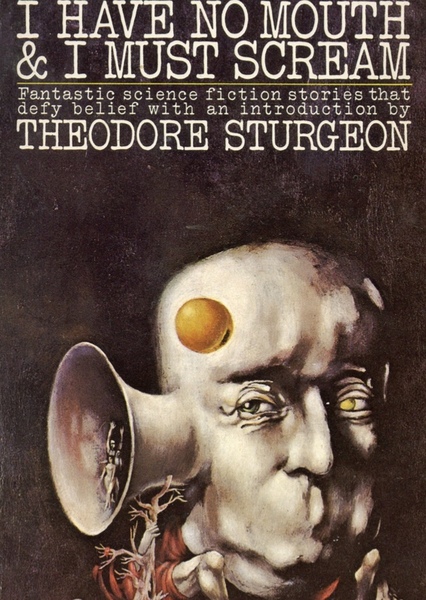
I Have No Mouth and I Must Scream
Harlan Ellison, 1967
313 ratings
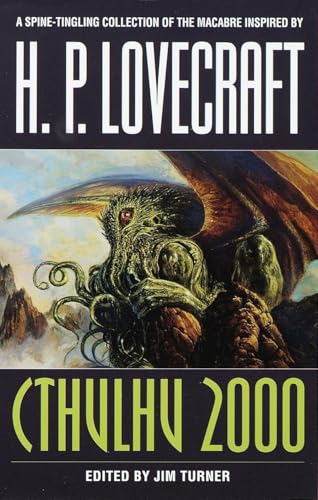
Cthulhu 2000: Stories
Harlan Ellison, 1995
5 ratings

Greatest Hits
Harlan Ellison, 2024
4 ratings

The Last Dangerous Visions
Harlan Ellison, 2024
I Have No Mouth & I Must Scream
Harlan Ellison, 1967
§ About Harlan Ellison's books
- Books on SansFiction
- 5
- Published
- 1967–2024
- Average rating
- 3.7 / 5 across 322 ratings
- Genres
- Science Fiction, Classics, Dystopian, Fiction
- Series
- Voice from the Edge
Start here: I Have No Mouth and I Must Scream (1967)
This is a story set in a post-apocalyptic future. The Cold War progressed until it was too complicated for humans to manage, so the three major superpowers each developed a computer program to help run the war. When one of the programs becomes sentient it eliminates all of the human race except five persons, which it tortures for eternity.
Voice from the Edge: reading order
Common questions about Harlan Ellison
- Who is Harlan Ellison?
- Born on May 27, 1934, in Cleveland, Ohio, Harlan Jay Ellison was raised in Ohio and attended Ohio State University for eighteen months before leaving following a dispute with a creative writing professor. He published his earliest fiction during the 1950s, launching his professional literary output with short stories and early collections such as The Deadly Streets in 1958.
- What is Harlan Ellison best known for?
- Harlan Ellison is best known for I Have No Mouth and I Must Scream, published in 1967 with 313 ratings and a 3.7 average. It is the most-rated of Harlan Ellison's books on SansFiction.
- How many books has Harlan Ellison written?
- SansFiction lists 5 books by Harlan Ellison, published between 1967 and 2024. The most popular are I Have No Mouth and I Must Scream, Cthulhu 2000: Stories, Greatest Hits, The Last Dangerous Visions and I Have No Mouth & I Must Scream.
- What order should I read Harlan Ellison's Voice from the Edge books in?
- Read the Voice from the Edge books in series order: 1. I Have No Mouth and I Must Scream, 1. I Have No Mouth & I Must Scream.
- What genres does Harlan Ellison write?
- Harlan Ellison's books on SansFiction are tagged Science Fiction, Classics, Dystopian and Fiction.
Explore: Science Fiction · Classics · Dystopian · Fiction