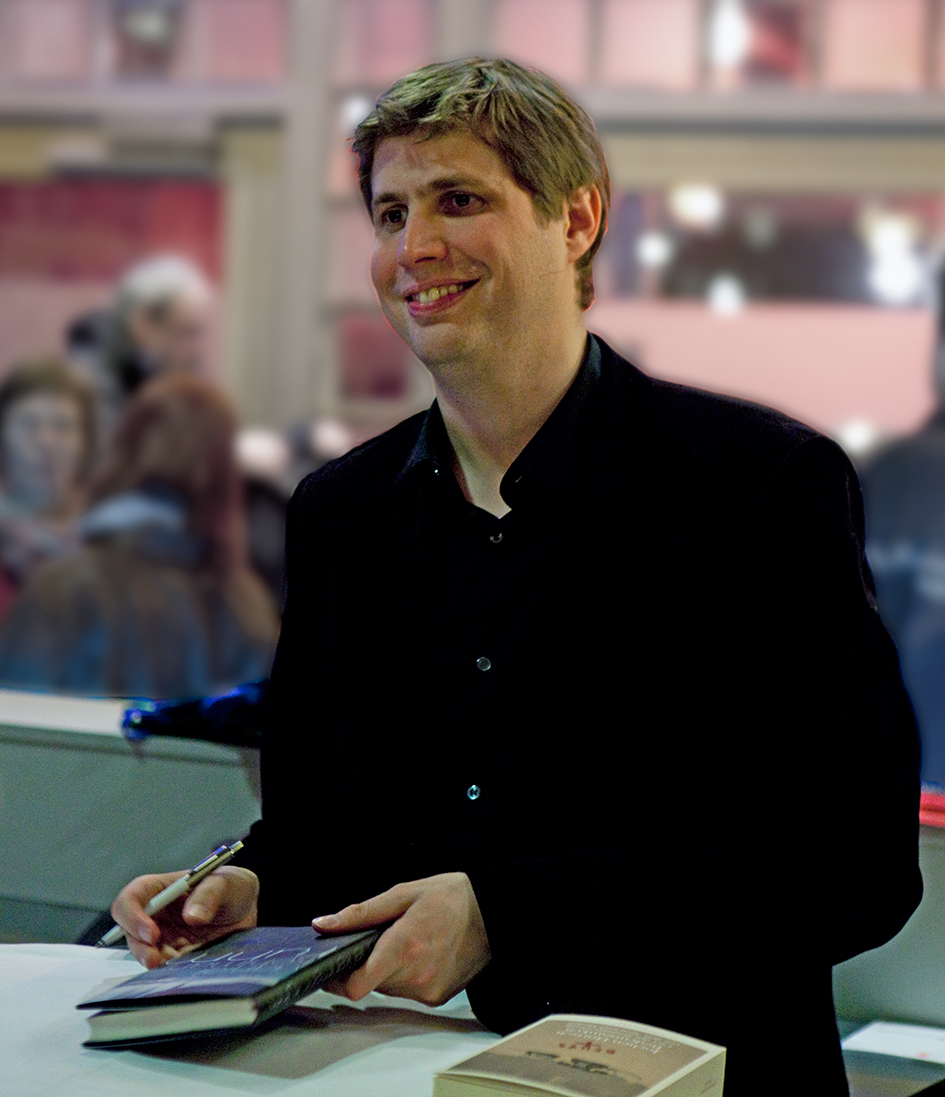
Daniel Kehlmann
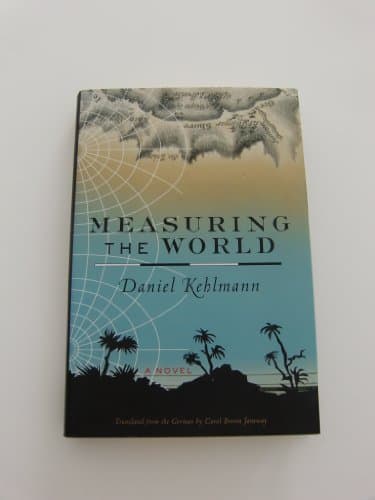
Historical fiction and metaphysical satire take central stage in international German-language literature through inventive reimaginings of historical icons, scientific ambition, and folklore. The novelist and playwright Daniel Kehlmann achieved widespread recognition with Measuring the World, an inventive historical novel depicting the contrasting lives and methods of mathematician Carl Friedrich Gauss and naturalist Alexander von Humboldt.
Career & Background
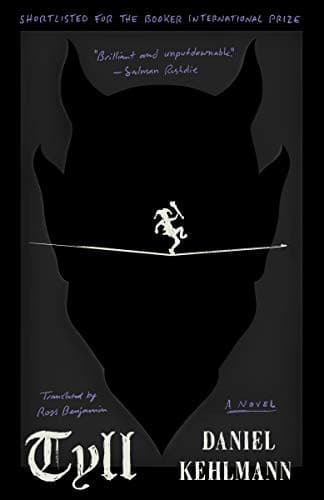
Born in Munich on January 13, 1975, Daniel Kehlmann is the son of television director Michael Kehlmann and actress Dagmar Mettler. He moved with his parents to Vienna at age six, growing up in the city's 23rd district and obtaining dual German and Austrian citizenship. Kehlmann published his early literary works while completing his studies, quickly building an international readership. His breakout novel, Measuring the World (2005), became one of the most commercially and critically successful post-war German novels and was translated into more than forty languages. He continued publishing acclaimed fiction including Me and Kaminski, Fame, F, and The Director. In 2017, he published Tyll, translated into English by Ross Benjamin, which reimagined the folklore trickster Tyll Ulenspiegel against the backdrop of the Thirty Years' War and was shortlisted for the 2020 International Booker Prize. Over his career, Kehlmann has been honored with major awards such as the Candide Prize, the Doderer Prize, the Kleist Prize, the WELT Literature Prize, the Literature Prize of the Konrad Adenauer Foundation, and the Thomas Mann Prize. He divides his time between Vienna, Berlin, and New York.
Writing Style & Themes
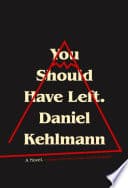
Kehlmann's prose is characterized by its blend of meticulous historical research, philosophical inquiries into truth, and dark, metafictional humor. His works frequently investigate the boundary between reality and fiction, the fallibility of memory, and the tragicomic limits of human reason. In works such as the 2016 psychological novella You Should Have Left, he utilizes elements of horror and spatial disorientation to trace a screenwriter's mental breakdown in an isolated mountain home. Across his historical novels and contemporary satires, his writing balances philosophical depth with accessible, swift narrative structure.
Major Works
- Measuring the World — First published in 2005, this historical novel fictionalizes the lives of 19th-century polymath Alexander von Humboldt and mathematician Carl Friedrich Gauss as they measure and map the physical world through contrasting scientific disciplines.
- Tyll — Shortlisted for the 2020 International Booker Prize, this 2017 epic reinterprets medieval trickster Tyll Ulenspiegel as a performer navigating the chaos, violence, and religious conflict of 17th-century Europe during the Thirty Years' War.
- You Should Have Left — A 2016 psychological horror novella formatted as a writer's diary, following a screenwriter staying in a secluded house in the Welsh mountains where reality and architecture begin to warp.
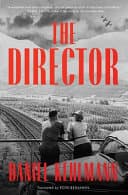
- The Director — The author's fourteenth novel explores themes of art, ambition, and political pressure through the life and creative choices of a prominent filmmaker.
You Should Have Left
Measuring the World
Tyll