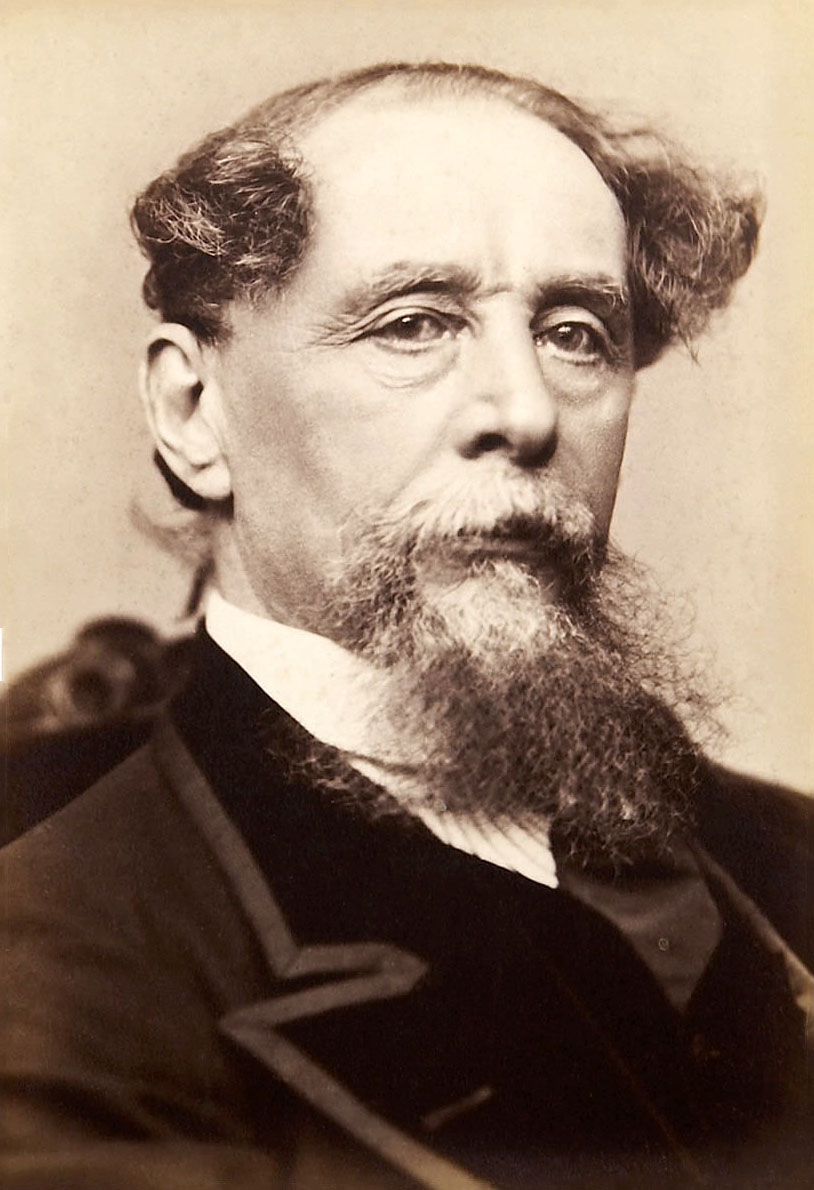
Charles Dickens
Also known as Charles John Huffam Dickens
Victorian narrative fiction gained its most widespread public engagement through serialized novels depicting urban industrial life, institutional neglect, and personal redemption, exemplified by A Christmas Carol. Charles Dickens emerged during the nineteenth century as a central figure in English literature, publishing fourteen major novels along with extensive journalistic reports, essays, and seasonal short stories that have remained continuously in print since their initial publication.
His fiction transformed popular entertainment into a platform for social critique, combining vivid characterization with detailed observations of contemporary London society.
Career & Background
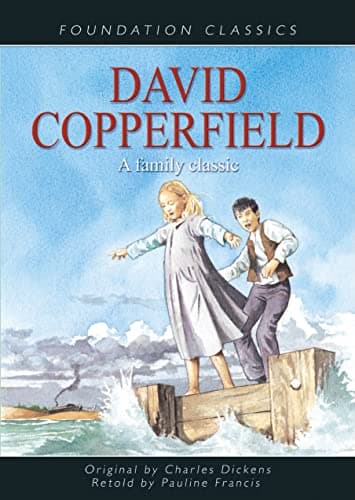
Born in Portsmouth on February 7, 1812, to John and Elizabeth Dickens, Charles John Huffam Dickens experienced financial instability early in life. In 1824, his father was imprisoned for debt in London's Marshalsea Prison, forcing the twelve-year-old Dickens to work at Warren's Blacking Factory. This traumatic period of hardship shaped his perspective on poverty and institutional injustice, directly influencing novels such as David Copperfield, in which his father served as the model for Mr. Micawber.
Dickens began his professional writing career as a journalist and court reporter before achieving major literary success with serialized fiction like The Pickwick Papers in 1837 and Oliver Twist in 1838. In addition to writing novels, he worked extensively as an editor and commentator, using periodicals to publish topical articles on political and social conditions across Victorian Britain until his death on June 9, 1870.
Writing Style & Themes
Dickens's narrative technique relies on acute social realism, satirical commentary, and memorable characterizations to critique contemporary institutions. A central theme running throughout his work is social reform, specifically targeting debtor prisons, child labor, legal corruption, and the indifference of privileged classes. Through works such as Bleak House and Hard Times, he combined outraged social commentary with sprawling, interconnected plots that reflected the complexities of Victorian life.
Major Works
- A Christmas Carol — Published in 1843, this novella addresses greed, isolation, and moral redemption through a seasonal ghost story that critiques economic heartlessness.
- Oliver Twist — Published in 1838, this novel highlights orphanhood, criminal underworlds, and the harsh realities of the workhouse system in Victorian London.
- David Copperfield — Published in 1850, this semi-autobiographical novel draws on Dickens's early personal hardships and his father's imprisonment for debt.
- Bleak House — Published in 1853, this novel satirizes the English legal system through the protracted Court of Chancery lawsuit of Jarndyce and Jarndyce.
- Great Expectations — Published in 1861, this coming-of-age story examines ambition, class mobility, and personal integrity through the life of the orphan Pip.
- A Tale of Two Cities — A historical novel set in London and Paris during the French Revolution, depicting political upheaval, sacrifice, and resurrection.
- Hard Times — A novel set in an industrial town that critiques utilitarian philosophy, mechanized labor, and rigid educational systems.
- Little Dorrit — A novel exploring the crippling effects of debt and institutional dysfunction, centered around the Marshalsea debtor's prison.
- Nicholas Nickleby — A story following a young man's struggle to support his family while exposing cruel conditions in private boarding schools.
- Our Mutual Friend — Dickens's last completed novel, examining the corrupting influence of wealth and social ambition along the River Thames.
- Martin Chuzzlewit — A satire examining selfishness and hypocrisy, featuring observations inspired by Dickens's travels to North America.
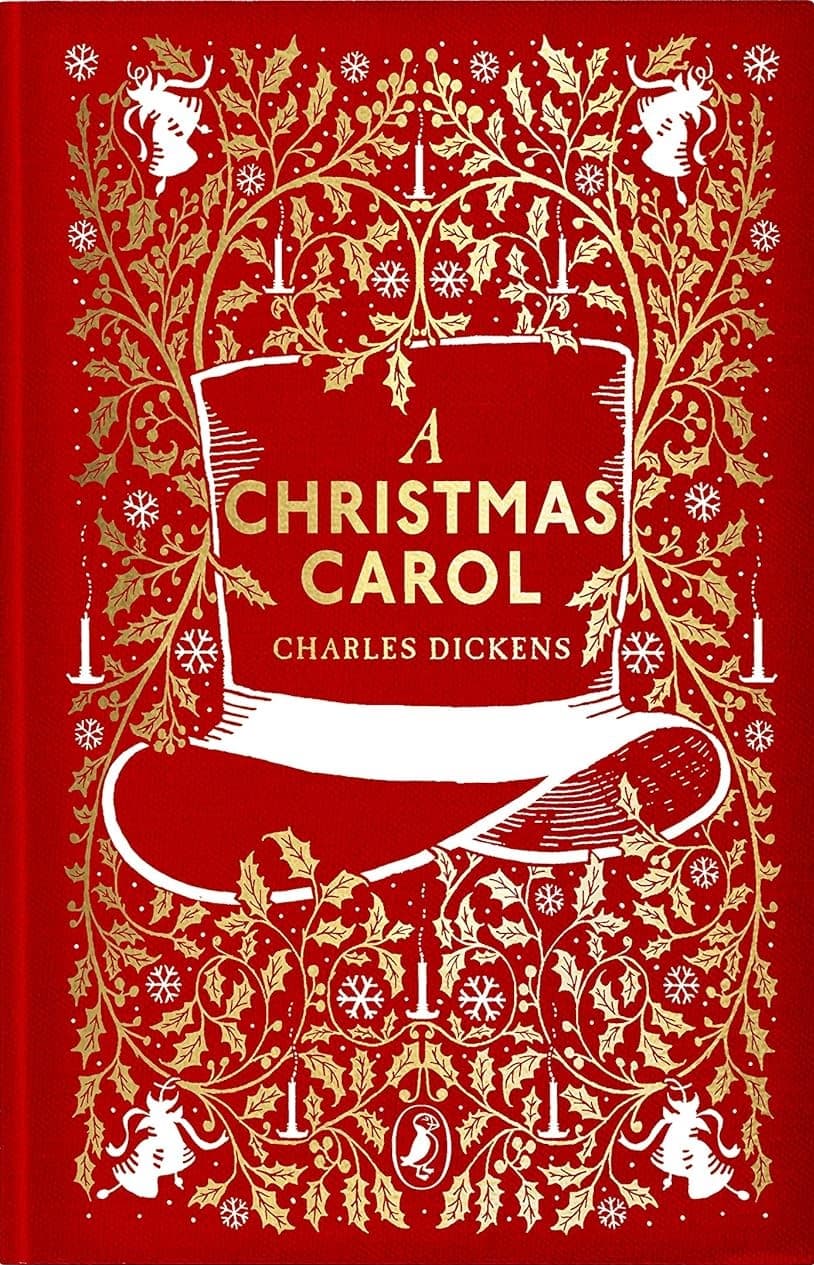
A Christmas Carol
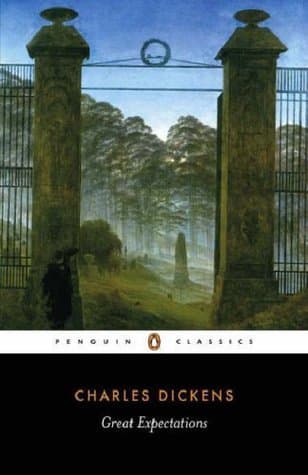
Great Expectations
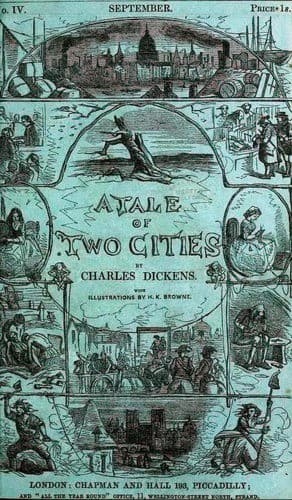
A Tale of Two Cities
Oliver Twist
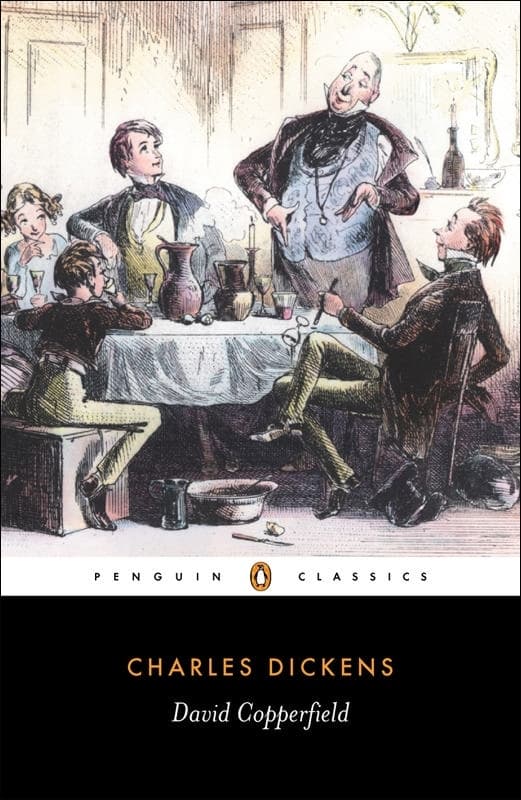
David Copperfield
Bleak House
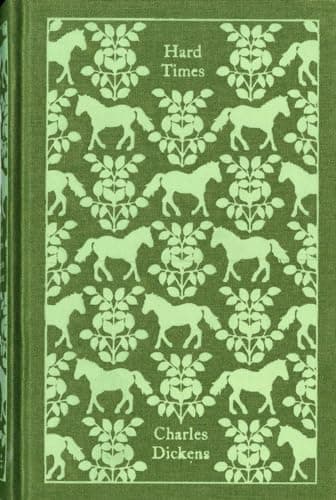
Hard Times
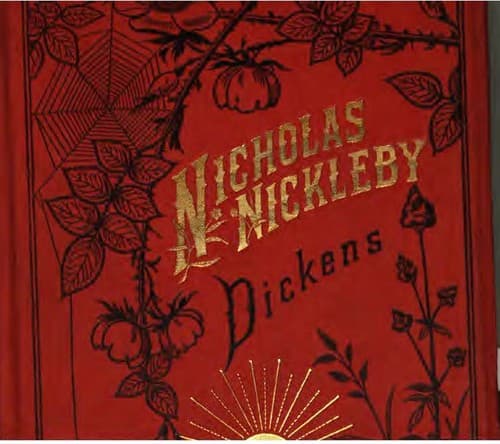
Nicholas Nickleby
Our Mutual Friend
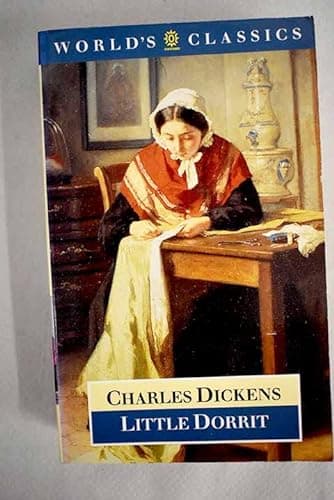
Little Dorrit

Great Expectations With Related Readings
Martin Chuzzlewit