Arundhati Roy
Also known as Suzanna Arundhati Roy
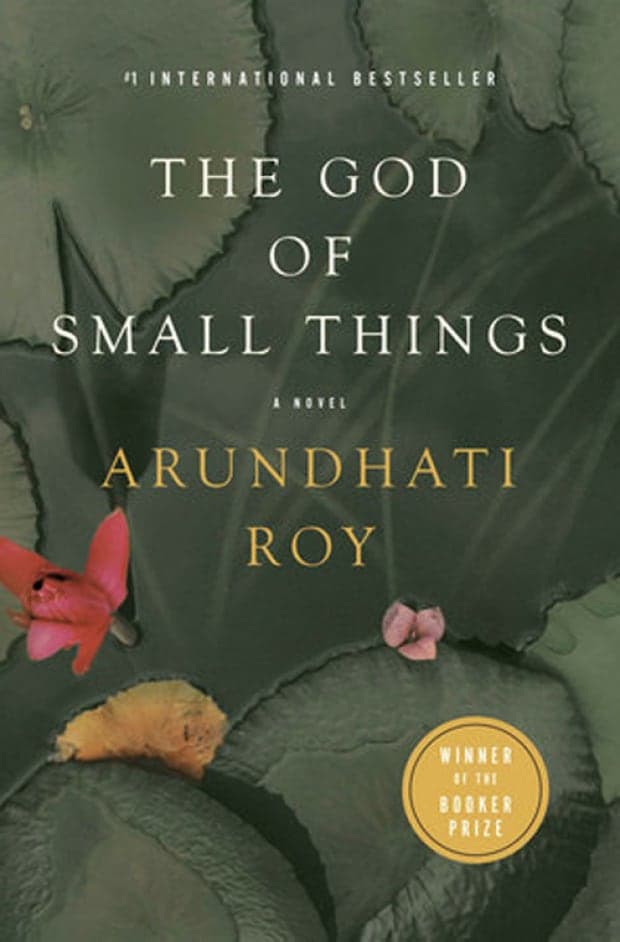
Winner of the 1997 Booker Prize for Fiction, the landmark novel The God of Small Things established a distinctive voice in contemporary literature and became the highest-selling novel by a non-expatriate Indian author. Written by Arundhati Roy, the narrative examines political power, social hierarchy, and personal tragedy through the intricate lives of a family in Kerala, India.
Career & Background
Born Suzanna Arundhati Roy on November 24, 1961, in Shillong, India, she spent her youth in Kerala before studying architecture at the Delhi School of Architecture. Before publishing her fiction, Roy worked in film as a screenwriter and actress. Her debut novel, The God of Small Things, published in 1997, achieved immediate critical and commercial success worldwide, winning the Booker Prize. Following her fiction debut, Roy turned much of her focus toward political advocacy, human rights activism, and environmental writing, regularly publishing commentary on fascism, social injustice, and globalization.
Over her career, Roy has published multiple essay collections, including The Algebra of Infinite Justice, Field Notes on Democracy: Listening to Grasshoppers, Broken Republic, and Azadi, as well as My Seditious Heart, which collected her political writings over two decades. Her second novel, The Ministry of Utmost Happiness, was longlisted for the Booker Prize and translated into more than forty languages. Roy was awarded the European Essay Prize for lifetime achievement in 2023 and the PEN Pinter Prize in 2024.
Writing Style & Themes
Roy's writing blends poetic prose with political critique, connecting personal histories to large-scale socio-political movements. Her fiction and non-fiction explore how state authority, caste structures, and economic systems impact ordinary citizens. By focusing on marginalized lives, personal loss, and environmental degradation, Roy examines the intersection of intimate human relationships and political power structures.
Major Works
- The God of Small Things — Her 1997 Booker Prize-winning debut novel, following fraternal twins in Kerala as their lives are reshaped by strict social codes, caste politics, and tragedy.
- The Ministry of Utmost Happiness — Her second novel, longlisted for the Booker Prize, which weaves stories across Delhi and Kashmir to explore identity, political conflict, and life on society's margins.
- Azadi — A collection of political essays focusing on freedom, language, state power, and social activism in contemporary India and beyond.
- My Seditious Heart — A comprehensive compilation of two decades of political essays, environmental commentary, and human rights advocacy.