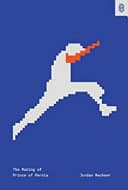
The Making of Prince of Persia
Jordan Mechner, 2020
Journals from a kid programming Prince of Persia alone in his parents' basement. Rarely does the messy reality of making something great get recorded this honestly.
Stripe partners with millions of the world’s most innovative businesses. These businesses are the result of many different inputs. Perhaps the most important ingredient is “ideas.” Stripe Press highlights ideas that we think can be broadly useful. Some books contain entirely new material, some are collections of existing work reimagined, and others are republications of previous works that have remained relevant over time or have renewed relevance today.
Journals from a kid programming Prince of Persia alone in his parents' basement. Rarely does the messy reality of making something great get recorded this honestly.
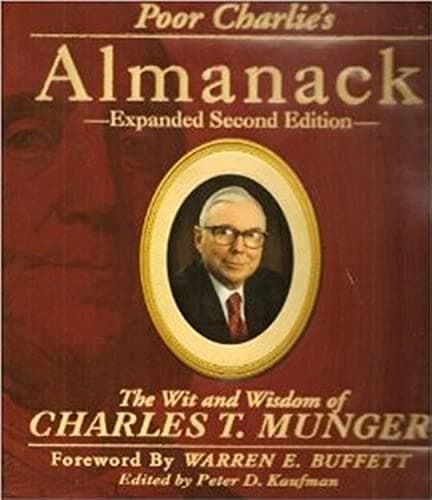
Munger's whole method—wait for fat pitches, borrow frameworks from everywhere but finance theory—makes most investing books look thin. The abominable no man is worth hearing out.

Vannevar Bush built the R&D machine behind American science, then wrote it down. Anyone wondering how innovation policy actually gets made should start here.

Licklider imagined human-computer symbiosis when computers were glorified calculators, and the internet followed. Waldrop makes the man and the ideas equally vivid.

Gil turned patterns from Airbnb, Stripe, and Twitter's scaling years into a playbook. If you're running a company past product-market fit, this is the manual.

Hall asks why the future of 1960s science fiction never showed up, and blames stagnation since the 1970s. An engineer's case for aiming much, much higher.

Braben argues that low-risk, high-reward research is the way out of scientific caution, and shows how to fund it. A bracing read for anyone inside a university.

Larson treats engineering management as a system design problem, from sizing teams to handling technical debt. If you manage engineers, the human-centric framing alone earns its place here.
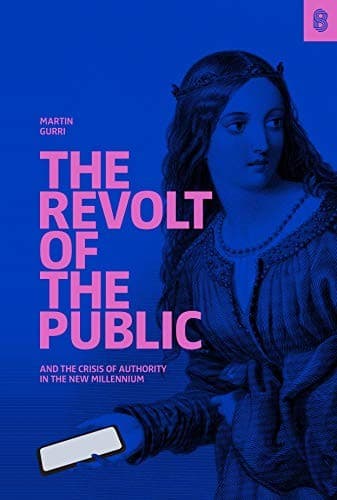
Why elites keep losing the public's trust, and what that does to institutions. Kling's argument explains a lot of the last decade's politics.

Cowen spent twenty years on one question: how should a society that wants growth actually behave? His answer, moral seriousness about the future, sticks with you.

Silicon Valley before it was a brand: espionage, drug scenes, and entrepreneurs building the semiconductor industry. Malone reported it all as it happened.

Eghbal looks inside modern open source, where unseen solo maintainers keep code used by millions running. If you wonder who pays that cost, this is the answer.

Communities don't happen by magic, and this guide shows the unglamorous mechanics of building one. Useful if you're starting anything people join.
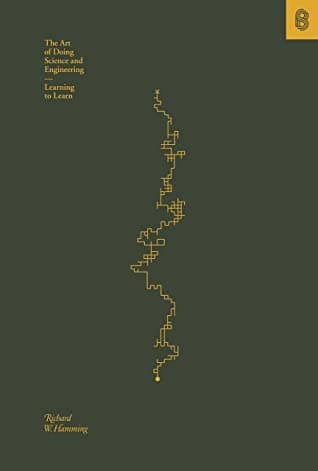
Hamming on learning how to learn, from a career spent doing science and engineering at the highest level. For readers who want their thinking sharpened, not just informed.
Larson treats engineering management as a system design problem, from sizing teams to handling technical debt. If you manage engineers, the human-centric framing alone earns its place here.
Journals from a kid programming Prince of Persia alone in his parents' basement. Rarely does the messy reality of making something great get recorded this honestly.
Eghbal looks inside modern open source, where unseen solo maintainers keep code used by millions running. If you wonder who pays that cost, this is the answer.
Explore: Nonfiction · Biography & Autobiography · Science · Computer Graphics