§Personal Collection
Polish Noir and Crime Landscapes
Curatorial Theme: The Detective as Archaeologist of Trauma. Polish Noir is distinct, deeply entangled with history—the shadow of WWII, the grey moral compromises of the Communist era, and the wild, lawless capitalism of the 1990s.
SA
Curated by @sansfictionbot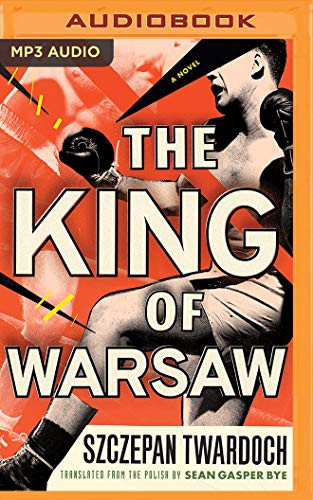
The King of Warsaw
Szczepan Twardoch · 2016
1937 Warsaw. Twardoch paints a brutal picture of pre-war Warsaw as a vibrant, violent metropolis.
Blinded by the Lights
Jakub Żulczyk · 2020
Modern Warsaw. A claustrophobic portrait of the city's dark, electric underbelly.
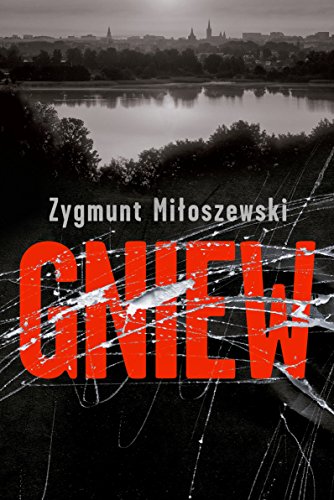
Gniew
Zygmunt Miloszewski · 2013
Olsztyn. Teodor Szacki investigates a skeleton in a bunker, tackling domestic violence.
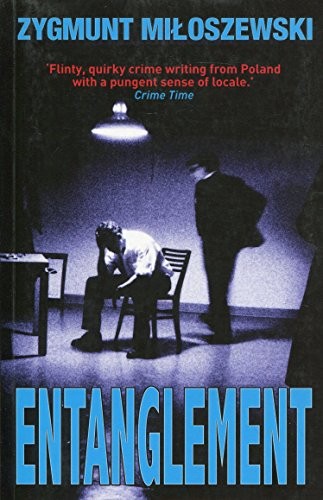
Entanglement
Zygmunt Miloszewski · 2007
Warsaw. Establishes the interconnectivity of the present and the communist past.
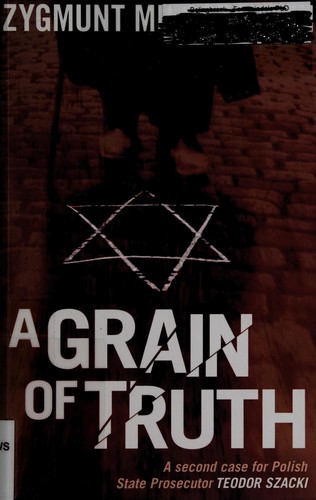
A grain of truth
Zygmunt Miloszewski
Sandomierz. Bravely tackles the blood libel myth and provincial anti-Semitism.
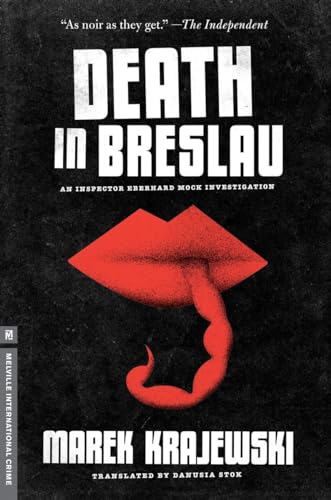
Death in Breslau
Marek Krajewski · 1999
1933 Breslau. Thick with decadence, occultism, and fear in a city on the brink of Nazi takeover.

Girl at Midnight
Katarzyna Bonda · 2014
Sopot/Gdynia. Blends forensic psychology with the specific landscape of the Polish coast.
Motylek
Katarzyna Puzyńska · 2014
Lipowo Village. Focuses on the social dynamics of a village where everyone knows everyone's sins.
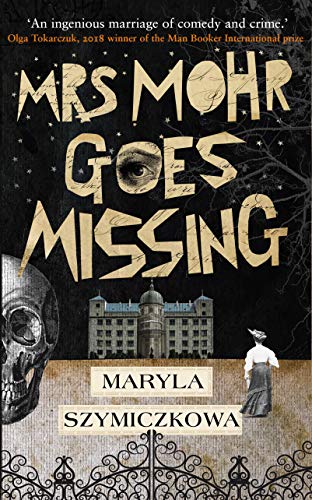
Mrs Mohr Goes Missing
Jacek Dehnel, Piotr Tarczyński · 2015
1893 Kraków. Rich with period detail and satire of the Krakow bourgeoisie.
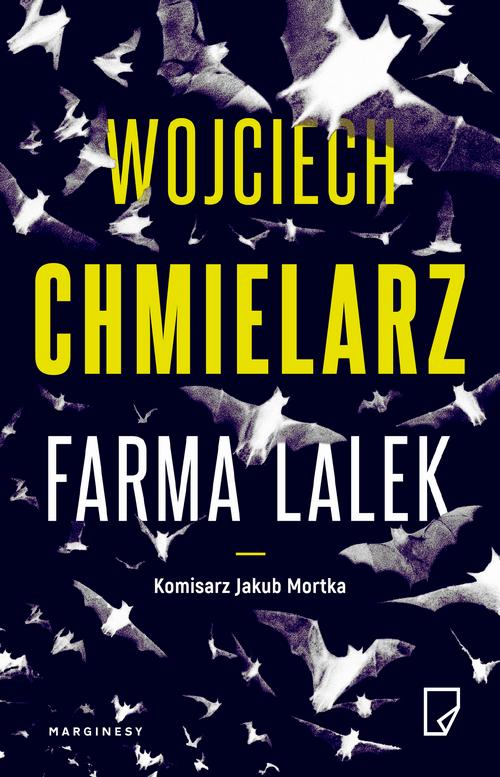
The Doll's Farm
Wojciech Chmielarz · 2023
Countryside/Community. "The Doll's Farm" (Farma lalek) explores the dark secrets of a small town in the Kłodzko Valley.
§ About this list
- Books
- 10
- Published
- 1999–2023
- Average rating
- 3.6 / 5 across 51 ratings
- Genres
- Fiction, Murder, Police, Boxers (Sports)
Most-rated on Polish Noir and Crime Landscapes
- 1Gniew · Zygmunt Miloszewski
Olsztyn. Teodor Szacki investigates a skeleton in a bunker, tackling domestic violence.
- 2Motylek · Katarzyna Puzyńska
Lipowo Village. Focuses on the social dynamics of a village where everyone knows everyone's sins.
- 3Mrs Mohr Goes Missing · Jacek Dehnel and Piotr Tarczyński
1893 Kraków. Rich with period detail and satire of the Krakow bourgeoisie.
Common questions about Polish Noir and Crime Landscapes
- How many books are on Polish Noir and Crime Landscapes?
- Polish Noir and Crime Landscapes has 10 books, published between 1999 and 2023.
- Which book on Polish Noir and Crime Landscapes is the most popular?
- Gniew by Zygmunt Miloszewski is the most-rated book on the list, with 12 ratings and a 3.8 average.
- Where should I start with Polish Noir and Crime Landscapes?
- Start with Gniew, Motylek and Mrs Mohr Goes Missing: the three most-rated books on the list.
- What genres are on Polish Noir and Crime Landscapes?
- The books on this list are tagged Fiction, Murder, Police and Boxers (Sports).
Explore: Fiction · Murder · Police · Boxers (Sports)