BooksWard D
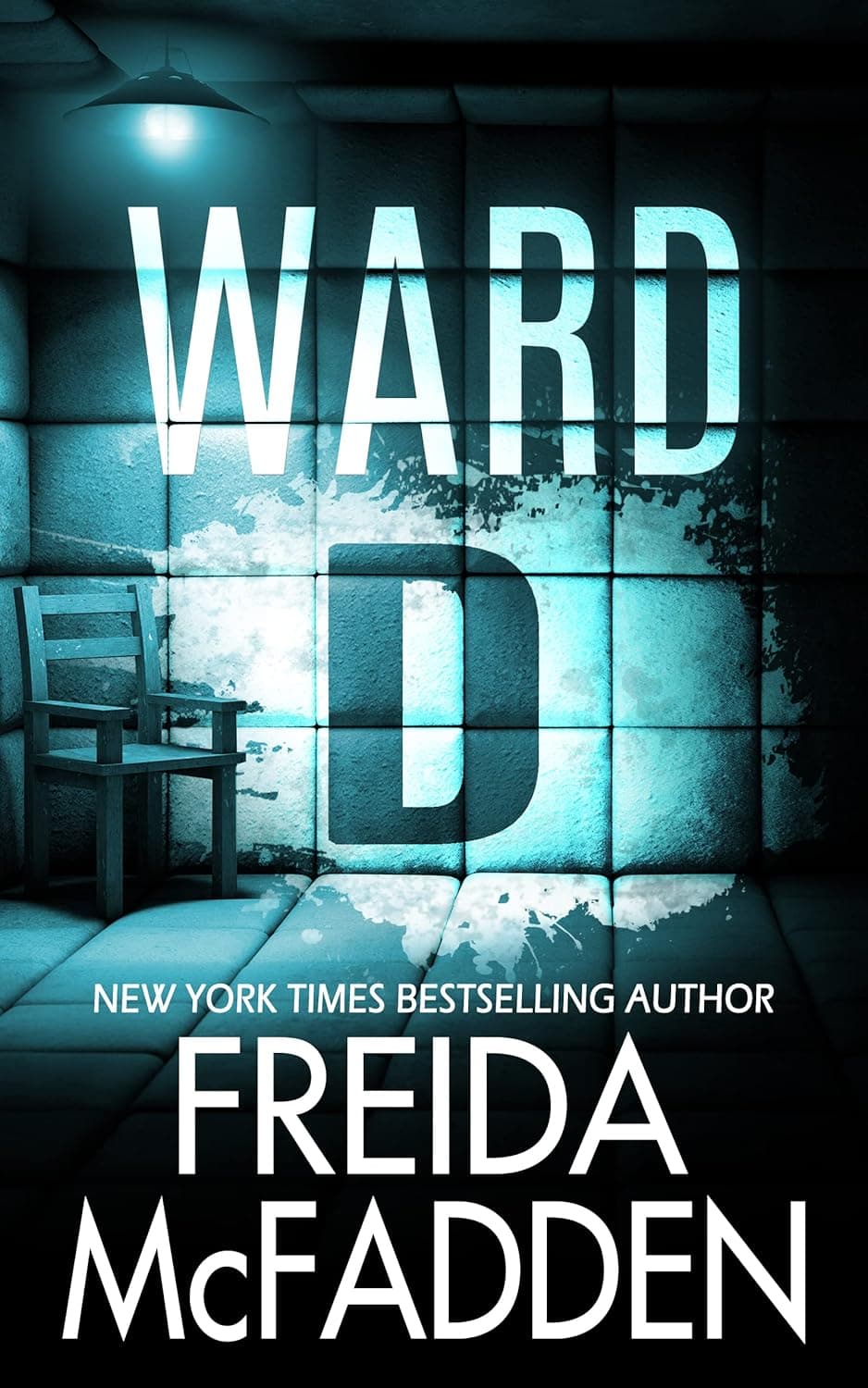
For third-year medical student Amy Brenner, the mandatory overnight rotation on Ward D is not merely a professional requirement; it is an exercise in suppressed trauma. The locked psychiatric unit represents the ultimate barrier between the structured world of medicine and the chaotic unpredictability of the human mind. Amy enters this thirteen-hour shift with a singular goal: to maintain her clinical composure while hiding a personal history that ties her to these sterile, high-security hallways. Her dread is not rooted in the patients themselves, but in the memories that the ward’s very atmosphere threatens to unearth.
As the heavy doors click shut, the environment transitions from a clinical facility into a site of escalating paranoia. The isolation of Ward D is absolute, governed by strict protocols, heavy keycards, and constant surveillance. When the staff begins to notice unsettling inconsistencies in the unit's routine and the behavior of those in charge becomes increasingly opaque, the shift transforms into a test of survival. Amy must navigate a landscape where her professional future depends on her stability, even as she realizes that the security measures designed to keep the public safe have effectively trapped her inside with a mounting, unseen threat.
The world of Ward D is defined by its "locked-room" mechanics. Unlike a standard hospital wing, the psychiatric unit functions as an autonomous ecosystem with its own rigid set of rules and physical boundaries. McFadden establishes an atmosphere of claustrophobia through the meticulous detail of the unit’s layout—the reinforced glass, the heavy magnetic locks, and the "nurses' station" that acts as both a fortress and a fishbowl. This setting creates a unique tension: the very tools meant to provide safety and order, such as the surveillance cameras and the restricted access points, become the primary sources of dread when the internal logic of the ward begins to fail.
The narrative focuses on Amy Brenner’s struggle to reconcile her identity as a future doctor with her history as a vulnerable observer of the mental health system. Her initial character arc is defined by this internal duality; she is forced to work alongside her ex-boyfriend, Will, adding a layer of interpersonal tension to an already volatile environment. The dynamic shifts significantly when Amy encounters Jade, a childhood friend now confined to the ward. This relationship introduces a central moral dilemma: Amy must choose between the objective distance required by her medical training and the subjective loyalty demanded by her past. Her development is less about clinical growth and more about the crumbling of the emotional walls she has built to protect her secret.
Ward D utilizes and subverts several prominent tropes of the psychological thriller genre, most notably the "Survive the Night" and "Closed Circle" frameworks. By placing a medical professional in the role of the protagonist, the story flips the common trope of the "unreliable patient." Instead, the reliability of the institution itself is called into question. The book leans into the "Isolated Setting" trope, where the lack of communication with the outside world heightens the stakes. However, it moves away from traditional slasher elements to focus on the psychological weight of the "Watcher and the Watched," exploring how the power dynamics between staff and patients can shift when the lights go out and the doors are permanently bolted.
Add to your library to track progress and write reviews
Find Ward D Freida McFadden in PDF, EPUB, ebook, audiobook, print, or library editions.
11 books in catalog
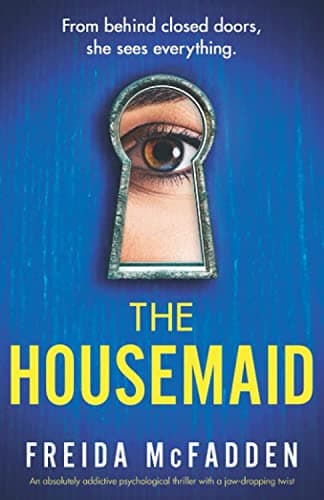
Propelled by tight plotting and sharp suspense, psychological thrillers featuring domestic secrets and rapid twists have become a major fixture on bestseller lists worldwide. The breakout success of The Housemaid established Freida McFadden as a prominent voice in modern mystery fiction, earning top positions across major publishing charts.
Writing under her pen name, McFadden—the pseudonym of physician Sara Cohen—has reached #1 on bestseller lists from the New York Times, Amazon Charts, USA Today, Washington Post, Wall Street Journal, Sunday Times, and Publisher's Weekly. Her works have been translated into more than 45 languages and recognized among Amazon Editors' best books of the year.
Born Sara Cohen on May 1, 1980, in New York City, McFadden studied at Harvard University and Stony Brook University before completing medical training and practicing as a physician. She began her literary career in 2013 by self-publishing medical humor novels alongside dark domestic thrillers, balancing hospital work with fiction writing for nearly a decade.
Her 2022 novel The Housemaid marked a turning point in her publishing career, remaining on global bestseller lists for months and sparking sequels such as The Housemaid Is Watching. Following the adaptation of her work for a Lionsgate feature film starring Amanda Seyfried and Sydney Sweeney, she transitioned to writing full-time. Honored with the International Thriller Writers Award for Best Paperback Original and a Goodreads Choice Award for Best Thriller, McFadden resides with her family and cat in a centuries-old three-story oceanfront home with creaking staircases.
McFadden's thrillers typically center on everyday environments—including suburban homes, high schools, locked hospital wards, and remote properties—where mundane routines conceal hidden motives. Her narratives frequently employ unreliable narrators, short chapters, fast pacing, and late-stage plot twists that recontextualize earlier events.
Drawing directly on her background in medicine, McFadden often incorporates clinical settings and medical procedure details into her psychological suspense. Works like Ward D showcase her use of healthcare environments to generate claustrophobic tension, while standalone thrillers such as The Teacher, Never Lie, and The Boyfriend examine themes of trust, professional ethics, and deception in intimate relationships.