Named one of Time's 100 Best Books, Ubik is a mind-bending, classic novel about the perception of reality from Philip K. Dick, the Hugo Award-winning author of The Man in the High Castle. “From the stuff of space opera, Dick spins a deeply unsettling existential horror story, a nightmare you'll never be sure you've woken up from.”??--??Lev Grossman, Time Glen Runciter runs a lucrative business ??--?? deploying his teams of anti-psychics to corporate clients who want privacy and security from psychic spies. But when he and his top team are ambushed by a rival, he is gravely injured and placed in “half-life,” a dreamlike state of suspended animation. Soon, though, the surviving members of the team begin experiencing some strange phenomena, such as Runciter's face appearing on coins and the world seeming to move backward in time. As consumables deteriorate and technology gets ever more primitive, the group needs to find out what is causing the shifts and what a mysterious product called Ubik has to do with it all. “More brilliant than similar experiments conducted by Pynchon or DeLillo.”??--??Roberto Bolaño.
Add to your library to track progress and write reviews
Find Ubik Philip K. Dick in PDF, EPUB, ebook, audiobook, print, or library editions.

14 books in catalog
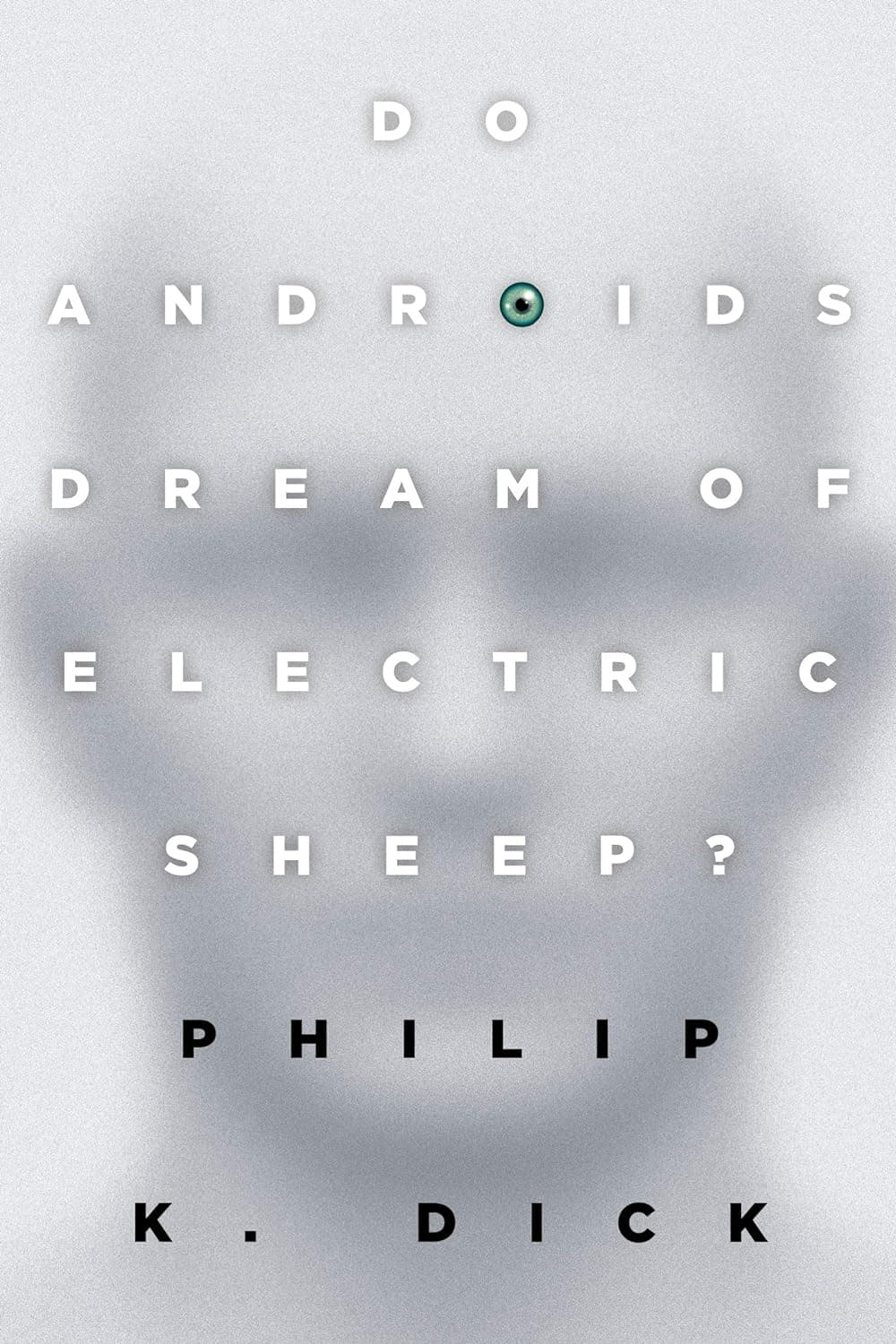
Speculative fiction that questions the nature of reality and human identity lies at the heart of iconic science fiction like Do Androids Dream of Electric Sheep? and The Man in the High Castle. Author Philip K. Dick crafted dozens of novels and over a hundred short stories during a career spanning three decades, creating narrative worlds where human perception is routinely altered by technology, authoritarian states, or psychological illusion.
Born in Chicago on December 16, 1928, Philip Kindred Dick lived most of his life in California. Before committing full-time to writing, he worked briefly in radio broadcasting and attended the University of California, Berkeley for one year. His professional publishing career launched in 1952 with the short story "Beyond Lies the Wub." Over the following thirty years, Dick maintained an extraordinary output, publishing regularly in science fiction magazines and completing dozens of novels prior to his death in Santa Ana, California, on March 2, 1982.
Throughout his career, Dick explored complex sociological, political, and metaphysical themes. His narratives frequently center on ordinary characters trapped in illusory environments, struggling against monopolistic corporations, oppressive government regimes, and altered states of consciousness. In his later years, his thematic focus shifted heavily toward theology and metaphysics, strongly reflecting his personal experiences with paranoia, drug abuse, schizophrenia, and transcendental visions. These deeply personal struggles directly informed semi-autobiographical works such as A Scanner Darkly and VALIS.