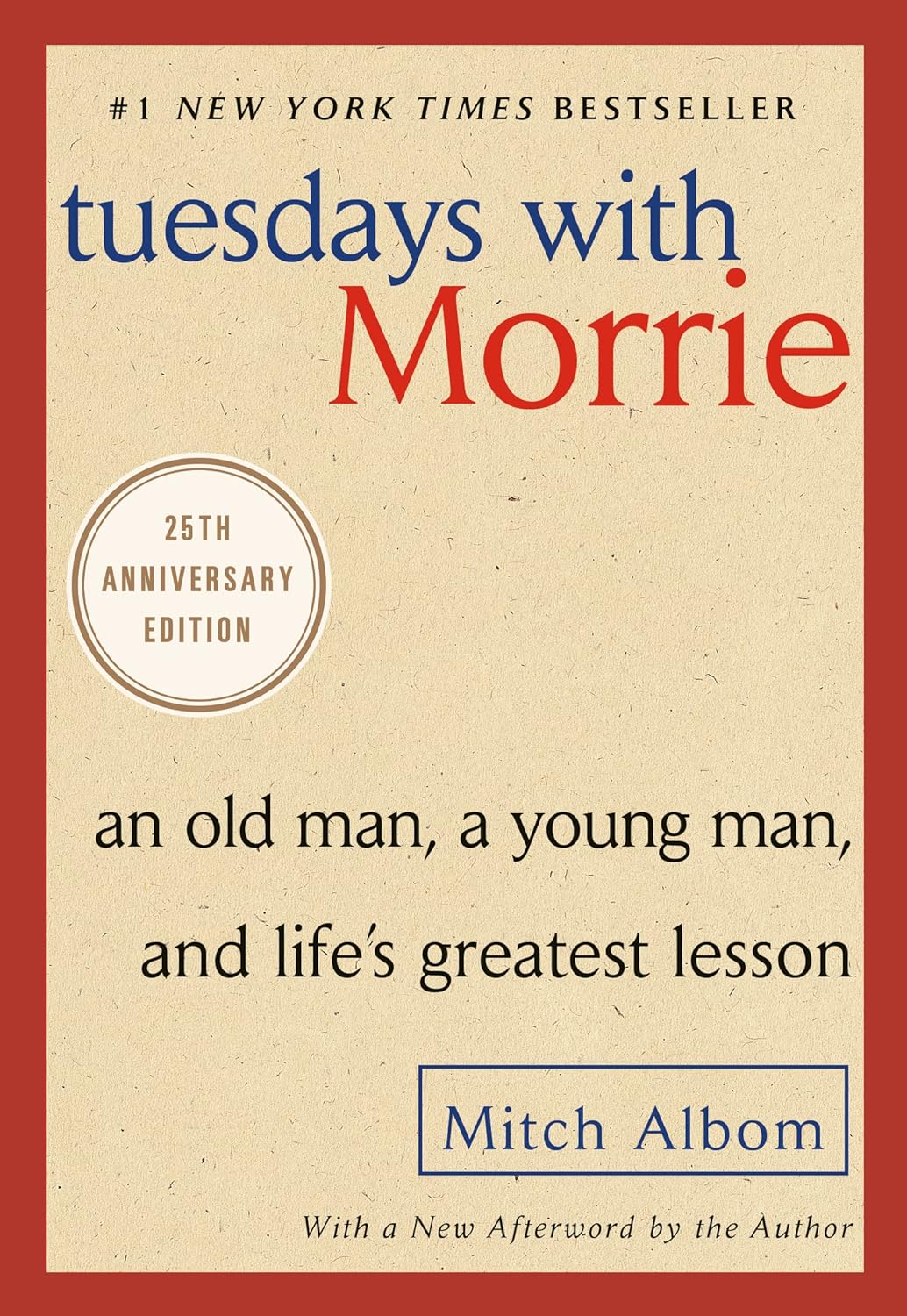
§Synopsis
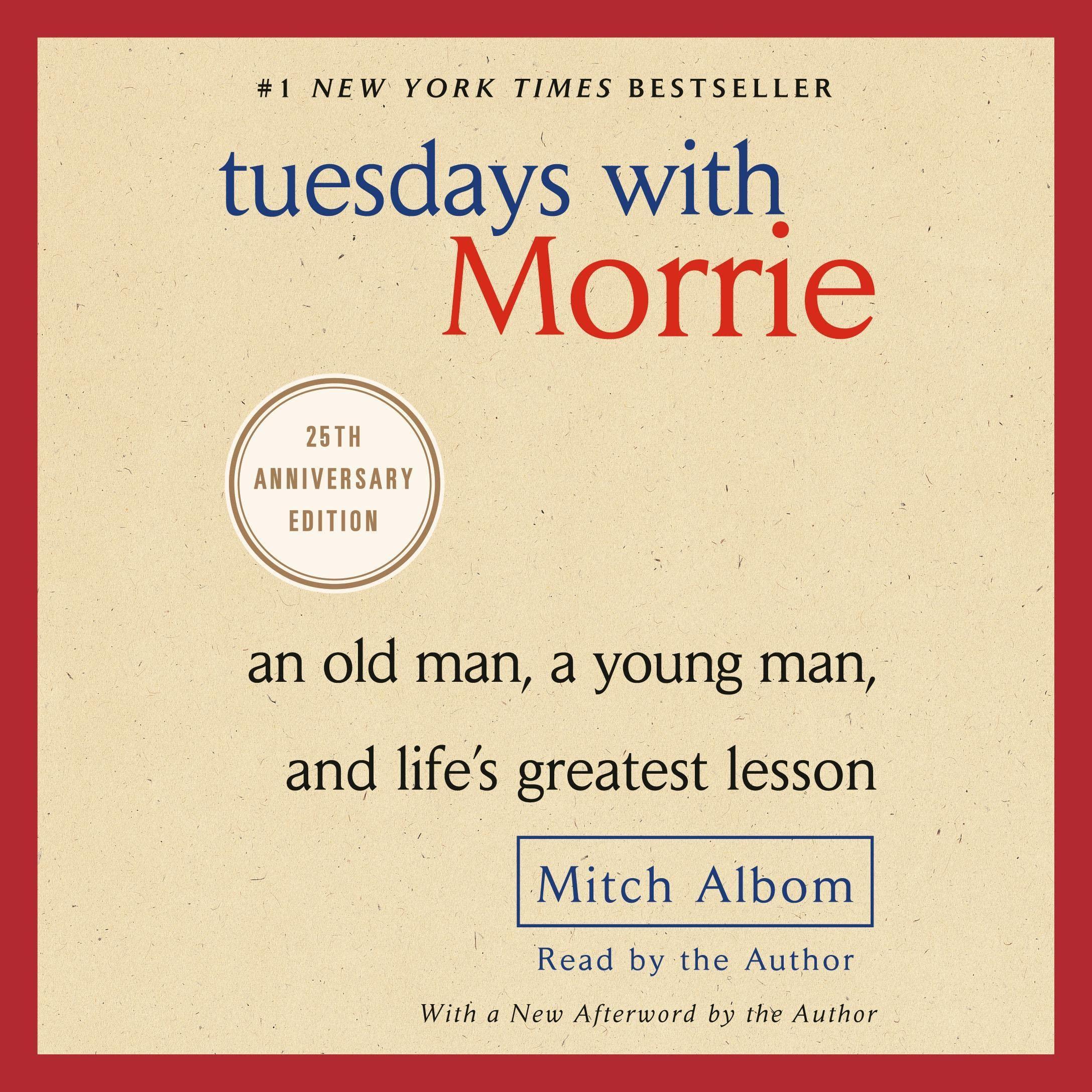
01Maybe it was a grandparent, or a teacher, or a colleague. Someone older, patient and wise, who understood you when you were young and searching, helped you see the world as a more profound place, gave you sound advice to help you make your way through it.
For Mitch Albom, that person was his college professor Morrie Schwartz.
Maybe, like Mitch, you lost track of this mentor as you made your way, and the insights faded, and the world seemed colder. Wouldn’t you like to see that person again, ask the bigger questions that still haunt you, receive wisdom for your busy life today the way you once did when you were younger?
Mitch Albom had that second chance. He rediscovered Morrie in the last months of the older man’s life. Knowing he was dying, Morrie visited with Mitch in his study every Tuesday, just as they used to back in college. Their rekindled relationship turned into one final “class”: lessons in how to live. “The truth is, Mitch,” he said, “once you learn how to die, you learn how to live.”
§Our take
Tuesdays with Morrie is sentimental without knowing quite what to do with that sentiment, which is both its weakness and its stubborn appeal. Morrie Schwartz's warmth and humor give the lessons emotional force, but Albom's expanded aphorisms can harden into platitudes.
The sharper subject is Albom himself. A burnt-out sportswriter rebuilding contact with his former professor, he turns a slim memoir into a weekly class on relationships, regret, work and mortality. The course-like structure works because each chapter gives the reader another Tuesday with them. It is less profound than its admirers claim and more affecting than its detractors admit.
§Themes
- The Tuesday class
- The weekly visits become a one-student course on living, with each brief chapter devoted to a question.
- Work versus presence
- Albom's career has consumed him, and the renewed friendship makes him notice the life he has let slip past.
- Familiar wisdom, sharpened
- The advice is plain and often repeated, but Morrie's urgency gives platitudes a sharper edge.
- A saint in profile
- Because Albom controls the portrait, Morrie reads more readily as a luminous teacher than a fully rounded man.
§How it was received
Press coverage at launch was broadly favorable, while readers remain split over whether the plain advice is hard-won wisdom or self-help in memoir clothing. Kirkus called the book sincere and skillful but stopped just short of maudlin; Alain de Botton's New York Times review credited its warmth and some moving advice but found no real wisdom in it. Many publishers passed and Doubleday started with a small print run, but word of mouth and wider exposure helped make it a long-running bestseller.
§Read it if
- You want a short, plain-spoken book that feels like a personal conversation rather than a novel
- You are drawn to teaching, friendship, grief, or questions about work and meaning
- You are willing to accept familiar advice delivered with emotional warmth
§Skip it if
- You want developed arguments or a complicated portrait. The advice is often repeated rather than examined, and Morrie is filtered through Albom's admiring view.
- Sentimentality is your deal-breaker. Readers divide sharply between calling it sincere and calling it sappy.
§Before you start
- Reading experience
- Short, gentle and built from brief chapters, it reads like a series of conversations and can be finished in a sitting or two, though its emotional weight is considerable.
- Content notes
- Terminal illness and physical decline from ALS, including loss of movement and dependence on others for care; Death, grief and bereavement are central subjects.
§Common questions
- Is this based on a true story?
- Yes. It is Mitch Albom's memoir of his college professor Morrie Schwartz and their Tuesday visits while Schwartz's health declined.
- Is Tuesdays with Morrie likely to make me cry?
- Quite possibly. Many readers report crying, and the book handles terminal illness, physical decline and grief directly.
- Is it self-help or a memoir?
- Memoir first, with lessons on work, relationships, regret and mortality. Readers disagree about how much depth sits beneath the simplicity.
§If you liked this
- The Last Lecture by Randy Pausch with Jeffrey Zaslow — A similarly candid book about a professor facing pancreatic cancer, turning a farewell lecture into lessons on living.
Track this book
Add to your library to track progress and write reviews