§Synopsis
01After being exposed to a toxic cloud, a man begins shrinking unstoppably.
Track this book
Add to your library to track progress and write reviews
After being exposed to a toxic cloud, a man begins shrinking unstoppably.
Add to your library to track progress and write reviews
3 books in catalog
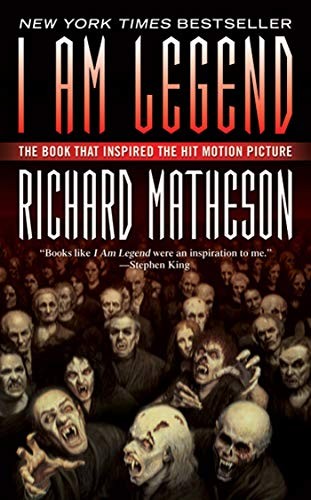
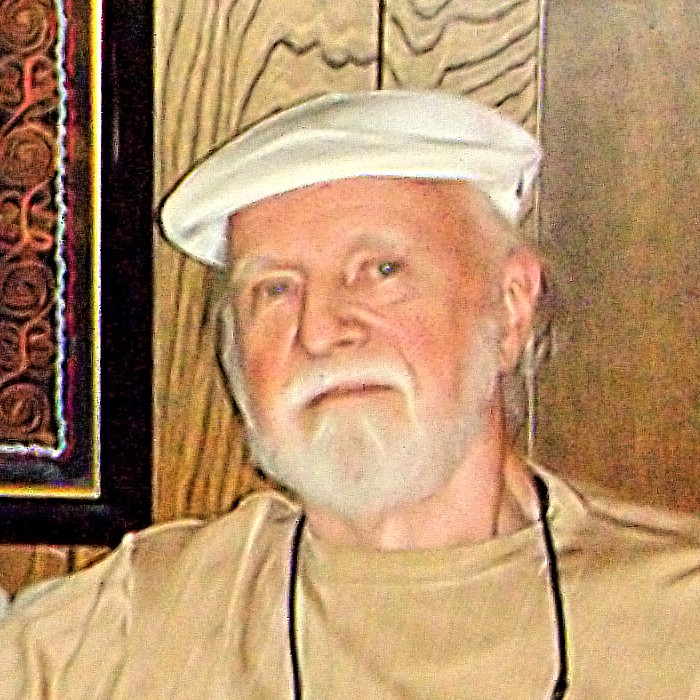
A foundational influence across speculative fiction and screenwriting, post-apocalyptic narrative tradition owes much of its modern structure to I Am Legend. Richard Matheson was born in Allendale, New Jersey, to Norwegian immigrant parents and raised in Brooklyn, where he began writing at age eight. His imaginative stories brought psychological tension and suburban realism to science fiction, fantasy, and horror, producing foundational works that bridged traditional prose and screen media.
After graduating from Brooklyn Technical High School in 1943, he served as an infantry soldier in World War II, an experience that later informed his autobiographical war novel The Beardless Warriors, published in 1960. He earned a bachelor's degree in journalism from the University of Missouri in 1949 before publishing his first professional short story, "Born of Man and Woman," in the Magazine of Fantasy and Science Fiction in 1950. In 1951, he moved to California and expanded into screenwriting while continuing his fiction. Between 1950 and 1971, he wrote dozens of stories, frequently blending elements of science fiction, horror, and fantasy. During the 1950s, he also published a handful of Western stories. His screenwriting career included writing episodes for The Twilight Zone, Lawman, and Star Trek, as well as screenplays for horror movies such as The Devil Rides Out and Steven Spielberg's Duel.
His writing is characterized by lean, propulsive prose that places everyday individuals into extraordinary or harrowing situations. By embedding supernatural and terrifying premises within plausible domestic settings, his work emphasized psychological realism, acute paranoia, and existential isolation. His narrative techniques heavily influenced mid-century teleplays and cinematic suspense, seamlessly connecting prose fiction with visual screenwriting.
Find The Shrinking Man Richard Matheson in PDF, EPUB, ebook, audiobook, print, or library editions.