The Plot Against America is a novel by Philip Roth published in 2004. It is an alternative history in which Franklin D. Roosevelt is defeated in the presidential election of 1940 by Charles Lindbergh. The novel follows the fortunes of the Roth family during the Lindbergh presidency, as antisemitism becomes more accepted in American life and Jewish-American families like the Roths are persecuted on various levels. The narrator and central character in the novel is the young Philip, and the care with which his confusion and terror are rendered makes the novel as much about the mysteries of growing up as about American politics. Roth based his novel on the isolationist ideas espoused by Lindbergh in real life as a spokesman for the America First Committee, and on his own experiences growing up in Newark, New Jersey. The novel received praise for the realism of its world and its treatment of topics such as antisemitism, trauma, and the perception of history. The novel depicts the Weequahic section of Newark which includes Weequahic High School from which Roth graduated.
In 2005, the novel won the James Fenimore Cooper Prize for Best Historical Fiction given by the Society of American Historians. It won the Sidewise Award for Alternate History, was a finalist for the John W. Campbell Memorial Award, and came in 11th for the 2005 Locus Awards.
The Plot Against America is a novel by Philip Roth published in 2004. It is an alternative history in which Franklin D. Roosevelt is defeated in the presidential election of 1940 by Charles Lindbergh. The novel follows the fortunes of the Roth family during the Lindbergh presidency, as antisemitism becomes more accepted in American life and Jewish-American families like the Roths are persecuted on various levels. The narrator and central character in the novel is the young Philip, and the care with which his confusion and terror are rendered makes the novel as much about the mysteries of growing up as about American politics. Roth based his novel on the isolationist ideas espoused by Lindbergh in real life as a spokesman for the America First Committee, and on his own experiences growing up in Newark, New Jersey. The novel received praise for the realism of its world and its treatment of topics such as antisemitism, trauma, and the perception of history. The novel depicts the Weequahic section of Newark which includes Weequahic High School from which Roth graduated.
In 2005, the novel won the James Fenimore Cooper Prize for Best Historical Fiction given by the Society of American Historians. It won the Sidewise Award for Alternate History, was a finalist for the John W. Campbell Memorial Award, and came in 11th for the 2005 Locus Awards.
Add to your library to track progress and write reviews
Add to your library to track progress and write reviews
9 books in catalog
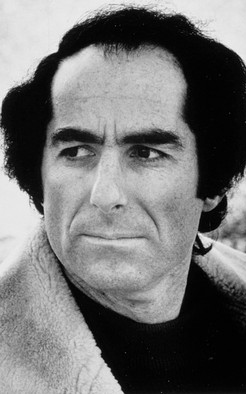
Exploring American identity, Jewish middle-class life, personal ethics, and mortality, twentieth-century American fiction frequently drew on local setting and autobiography to interrogate culture. Philip Roth became one of the most widely read postwar American novelists through his incisive portrayals of personal turmoil, starting with his acclaimed debut collection Goodbye, Columbus and followed by his bestselling 1969 novel Portnoy's Complaint.
Born in Newark, New Jersey, in 1933 to first-generation Jewish immigrant parents, Roth was raised in a middle-class enclave and graduated from Weequahic High School in 1950. He earned a bachelor's degree in English from Bucknell University, where he was elected to Phi Beta Kappa, followed by a master's degree in English literature from the University of Chicago. While in Chicago, he met his first wife, Margaret Martinson, and began publishing short fiction and essays in periodicals such as the Chicago Review and The New Yorker. His debut collection, Goodbye, Columbus (1959), won the U.S. National Book Award for Fiction and brought him immediate national attention.
Roth's fiction is known for its intensely autobiographical quality, sharp comic dialogue, and formal blurring between reality and fiction. Frequently setting his stories in his hometown of Newark, he examined Jewish-American identity, family duties, sexuality, aging, and the friction between traditional and contemporary morals. He frequently employed literary alter egos, such as Nathan Zuckerman, to explore the complexities of artistic creation and personal memory through a sensual, ingenious prose style.
9 books in catalog
Exploring American identity, Jewish middle-class life, personal ethics, and mortality, twentieth-century American fiction frequently drew on local setting and autobiography to interrogate culture. Philip Roth became one of the most widely read postwar American novelists through his incisive portrayals of personal turmoil, starting with his acclaimed debut collection Goodbye, Columbus and followed by his bestselling 1969 novel Portnoy's Complaint.
Born in Newark, New Jersey, in 1933 to first-generation Jewish immigrant parents, Roth was raised in a middle-class enclave and graduated from Weequahic High School in 1950. He earned a bachelor's degree in English from Bucknell University, where he was elected to Phi Beta Kappa, followed by a master's degree in English literature from the University of Chicago. While in Chicago, he met his first wife, Margaret Martinson, and began publishing short fiction and essays in periodicals such as the Chicago Review and The New Yorker. His debut collection, Goodbye, Columbus (1959), won the U.S. National Book Award for Fiction and brought him immediate national attention.
Roth's fiction is known for its intensely autobiographical quality, sharp comic dialogue, and formal blurring between reality and fiction. Frequently setting his stories in his hometown of Newark, he examined Jewish-American identity, family duties, sexuality, aging, and the friction between traditional and contemporary morals. He frequently employed literary alter egos, such as Nathan Zuckerman, to explore the complexities of artistic creation and personal memory through a sensual, ingenious prose style.