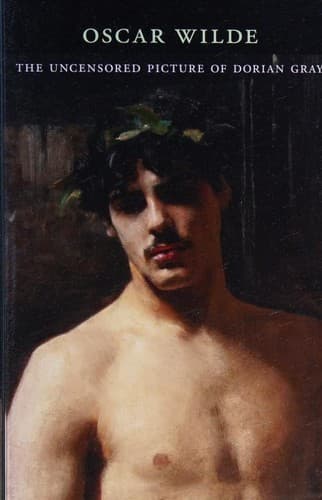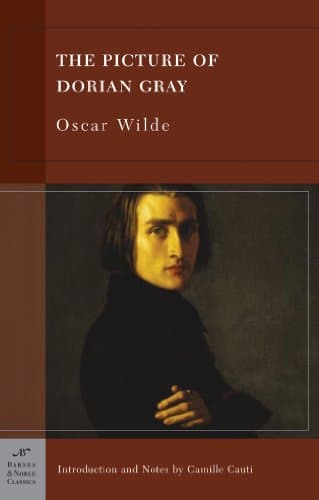
In this celebrated work Wilde forged a devastating portrait of the effects of evil and debauchery on a young aesthete in late-19th-century England. Combining elements of the Gothic horror novel and decadent French fiction, the book centers on a striking premise: As Dorian Gray sinks into a life of crime and gross sensuality, his body retains perfect youth and vigor while his recently painted portrait grows day by day into a hideous record of evil, which he must keep hidden from the world.
Add to your library to track progress and write reviews
Find The Picture of Dorian Gray Oscar Wilde in PDF, EPUB, ebook, audiobook, print, or library editions.

1 books in catalog
Oscar Wilde emerged from Dublin and Oxford to become one of late-Victorian London's most influential dramatists and social satirists, authoring classic comic theater alongside dark philosophical fiction. His sole novel, The Picture of Dorian Gray, stands as a central text of late-nineteenth-century literature, exploring the consequences of vanity, pleasure, and artistic detachment.
Born in Dublin on October 16, 1854, Oscar Fingal O'Fflahertie Wills Wilde studied at Trinity College, Dublin, before entering Magdalen College, Oxford. At Oxford, he studied under art critic John Ruskin and essayist Walter Pater, whose ideas deeply informed Wilde's commitment to the Aesthetic movement and the doctrine of art for art's sake. Moving to London in his twenties, Wilde gained rapid fame in social circles for his flamboyant dress, charismatic persona, and legendary conversational wit. He married in 1884, fathered two children, and edited The Woman's World magazine in the late 1880s while establishing himself across multiple literary genres.
During the early 1890s, Wilde achieved immense commercial and critical success on the London stage with a series of popular society comedies. His theatrical career reached its peak with celebrated works including Lady Windermere's Fan, A Woman of No Importance, An Ideal Husband, and his comic masterpiece The Importance of Being Earnest. However, at the height of his fame in 1895, Wilde was prosecuted and convicted of gross indecency under British legal statutes prohibiting homosexual acts. Following two years of hard labor in prison, he lived his final years in exile in Europe under the assumed name Sebastian Melmoth until his death on November 30, 1900.
Wilde's writing is characterized by precise epigrammatic dialogue, inverted social truisms, and brilliant satirical ironies that expose the rigid hypocrisies of Victorian high society. As a leading figure in Aestheticism, he prioritized artistic beauty, stylistic elegance, and dramatic performance over rigid Victorian didacticism. Beneath the shimmering comic surfaces and farcical plots of his plays and stories, his work repeatedly probes the dualities of human nature—examining the friction between public reputation and secret desire, the superficiality of social norms, and the tragic price of aesthetic indulgence detached from moral responsibility.