Speculative fiction that questions the nature of reality and human identity lies at the heart of iconic science fiction like Do Androids Dream of Electric Sheep? and The Man in the High Castle. Author Philip K. Dick crafted dozens of novels and over a hundred short stories during a career spanning three decades, creating narrative worlds where human perception is routinely altered by technology, authoritarian states, or psychological illusion.
Career & Background
Born in Chicago on December 16, 1928, Philip Kindred Dick lived most of his life in California. Before committing full-time to writing, he worked briefly in radio broadcasting and attended the University of California, Berkeley for one year. His professional publishing career launched in 1952 with the short story "Beyond Lies the Wub." Over the following thirty years, Dick maintained an extraordinary output, publishing regularly in science fiction magazines and completing dozens of novels prior to his death in Santa Ana, California, on March 2, 1982.
Writing Style & Themes
Throughout his career, Dick explored complex sociological, political, and metaphysical themes. His narratives frequently center on ordinary characters trapped in illusory environments, struggling against monopolistic corporations, oppressive government regimes, and altered states of consciousness. In his later years, his thematic focus shifted heavily toward theology and metaphysics, strongly reflecting his personal experiences with paranoia, drug abuse, schizophrenia, and transcendental visions. These deeply personal struggles directly informed semi-autobiographical works such as A Scanner Darkly and VALIS.
Major Works
- The Man in the High Castle — An alternate history novel exploring a world where the Axis powers won World War II, notable for its examination of reality, fate, and cultural identity.
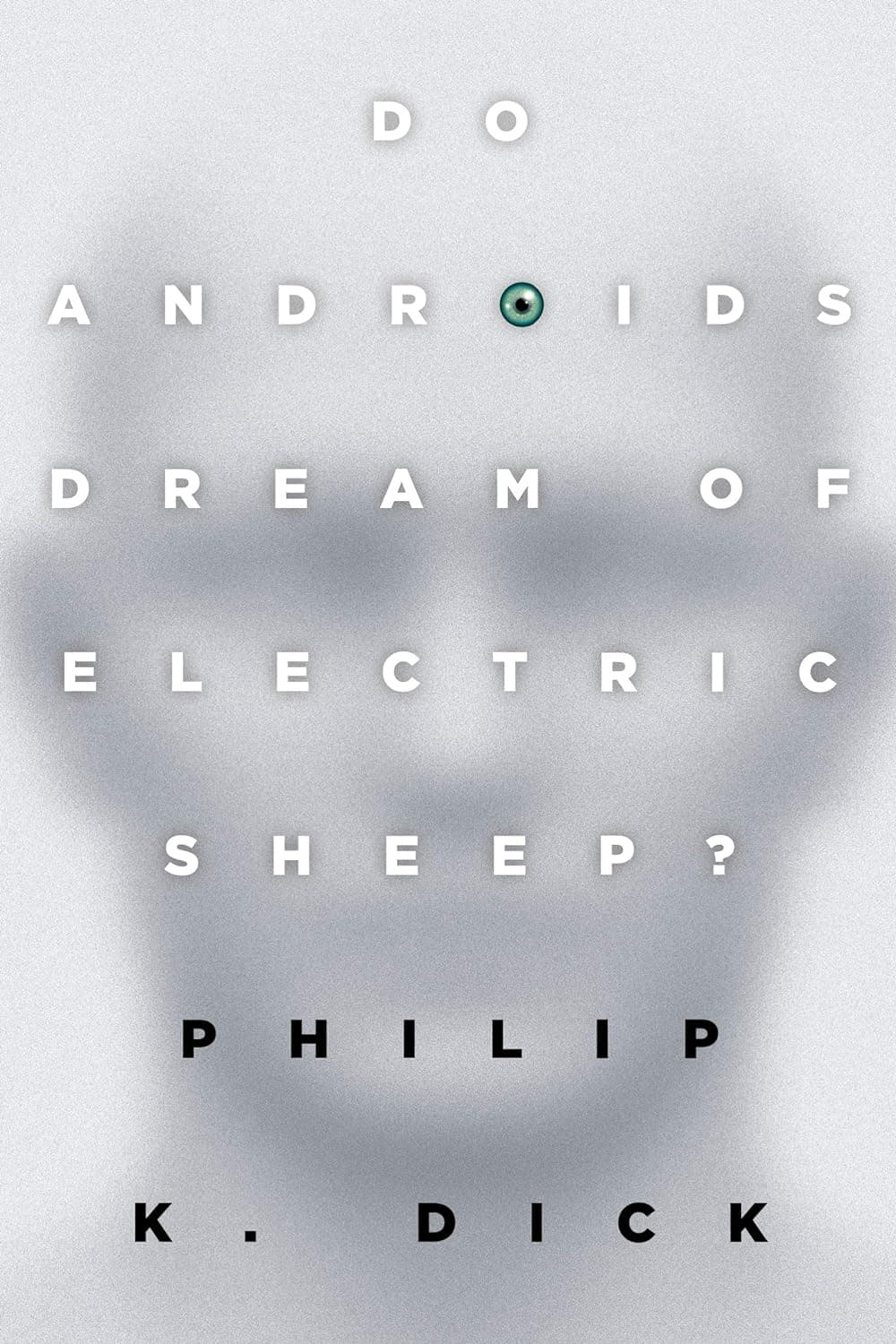
- Do Androids Dream of Electric Sheep? — A dystopian story set in a post-apocalyptic future that explores empathy and human nature through a bounty hunter tracking artificial humans.
- Ubik — A narrative focused on psychic abilities, shifting states of reality, and temporal decay.
- A Scanner Darkly — A semi-autobiographical examination of drug culture, identity disintegration, and state surveillance.
- VALIS — A theological novel drawing upon the author's unexplained visions and metaphysical inquiries.
- Flow My Tears, the Policeman Said — A novel depicting a famous television star who awakens in a police state where all official records of his existence have vanished.