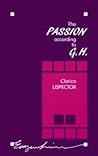
Innovative Latin American fiction was reshaped through highly intimate, introspective novels and short story collections like The Passion According to G.H., which challenged traditional narrative conventions. Clarice Lispector gained broad acclaim for her pioneering prose, exploring deep human interiority, existential anxiety, and philosophical inquiry in works like The Hour of the Star and Água Viva.
Career & Background
Born Chaya Pinkhasivna Lispector in Chechelnyk, Ukraine, on December 10, 1920, she emigrated as an infant with her Jewish family to northeast Brazil to escape pogroms, settling first in Recife before relocating to Rio de Janeiro. Her mother died during her childhood, and her father passed away while she was studying law and working as a teacher and editor. Lispector completed her law degree and married diplomat Mauri Gurgel Valente, spending extended periods abroad in Europe and Washington, D.C., where she continued her literary career.
Lispector debuted in 1943 with the novel Near to the Wild Heart, earning immediate critical attention for its singular prose style. Her subsequent long-form fiction includes The Candelabrum (1946), The Besieged City (1949), The Apple in the Dark (1961), The Passion According to G.H. (1964), and The Hour of the Star (1977). In addition to novels, she established herself through short story collections such as Family Ties (Laços de Família, 1960) and The Foreign Legion (1964), as well as children's books and a prolific volume of newspaper columns known as crônicas before her death in Rio de Janeiro on December 9, 1977.
Writing Style & Themes
Lispector's literary approach is defined by stream-of-consciousness narration, interior monologues, and intense existential investigation. Rather than relying on plot-driven structures, her works focus on psychological epiphanies, the complexity of personal identity, isolation, and domestic tensions. Her lyrical, metaphoric writing brought philosophical rigor to everyday experiences and introduced new formal possibilities to Latin American prose.
Major Works
- The Passion According to G.H. — Published in 1964 as A Paixão Segundo G.H., this existential novel details a woman's intense psychological breakdown and philosophical revelation inside her Rio de Janeiro apartment.
- The Hour of the Star — Published in 1977 as A hora da estrela, Lispector's final novel recounts the quiet life of an impoverished typist, Macabéa, while reflecting on the nature of storytelling itself.
- Family Ties — A landmark 1960 short story collection (Laços de Família) that examines domestic quietude, personal epiphanies, and hidden emotional ruptures in everyday life.
- Água Viva — An innovative 1973 work written as an uninhibited first-person interior monologue, merging fiction, philosophy, and artistic reflection.
- Near to the Wild Heart — Lispector's 1943 award-winning debut novel (Perto do Coração Selvagem), which established her distinct introspective voice and earned high critical praise upon release.