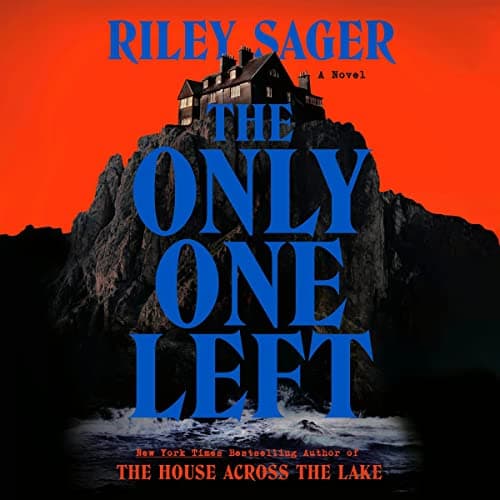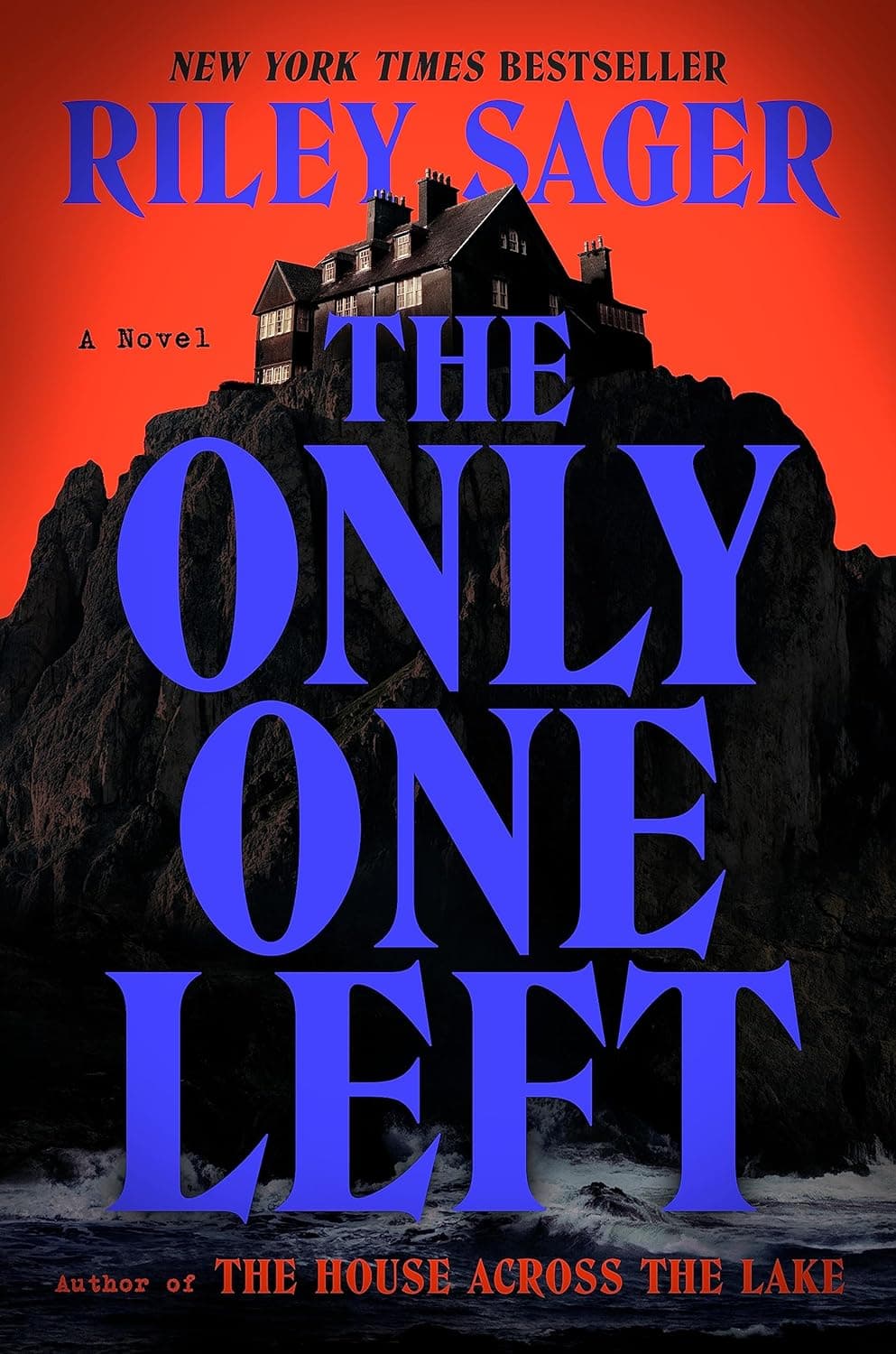
At seventeen, Lenora Hope Hung her sister with a rope
Now reduced to a schoolyard chant, the Hope family murders shocked the Maine coast one bloody night in 1929. While most people assume seventeen-year-old Lenora was responsible, the police were never able to prove it. Other than her denial after the killings, she has never spoken publicly about that night, nor has she set foot outside Hope’s End, the cliffside mansion where the massacre occurred.
Stabbed her father with a knife Took her mother’s happy life
It’s now 1983, and home-health aide Kit McDeere arrives at a decaying Hope’s End to care for Lenora after her previous nurse fled in the middle of the night. In her seventies and confined to a wheelchair, Lenora was rendered mute by a series of strokes and can only communicate with Kit by tapping out sentences on an old typewriter. One night, Lenora uses it to make a tantalizing offer—I want to tell you everything.
“It wasn’t me,” Lenora said But she’s the only one not dead
As Kit helps Lenora write about the events leading to the Hope family massacre, it becomes clear there’s more to the tale than people know. But when new details about her predecessor’s departure come to light, Kit starts to suspect Lenora might not be telling the complete truth—and that the seemingly harmless woman in her care could be far more dangerous than she first thought.
Add to your library to track progress and write reviews
Find The Only One Left Riley Sager in PDF, EPUB, ebook, audiobook, print, or library editions.
5 books in catalog
Suspenseful mystery and thriller fiction often relies on unsettling environments and psychological tension to keep audiences engaged. The breakout novel Final Girls established a prominent new voice in contemporary suspense, combining classic horror tropes with intricate plot twists.
Born Todd Ritter, the Pennsylvania native worked as a journalist, editor, and graphic designer before transitioning into full-time fiction. Early in his career, he published mysteries under his real name as well as the pen name Alan Finn. He achieved widespread commercial success after adopting the pseudonym Riley Sager, launching a series of bestselling thrillers that have sold over four million copies worldwide and appeared in 40 countries. His debut under the name, Final Girls, optioned for film development by Universal Pictures and Anonymous Content, marked his transition to writing novels full-time. He currently resides in Princeton, New Jersey.
His writing style is recognized for blending atmospheric settings, claustrophobic houses, and unsettling occurrences with subverted thriller conventions. Rather than relying on rigid pre-planned outlines, his process focuses on creating suspenseful scenarios where isolated protagonists confront lingering past trauma and hidden domestic secrets. Recurring themes include memory, dark local histories, and high-stakes psychological confrontation.