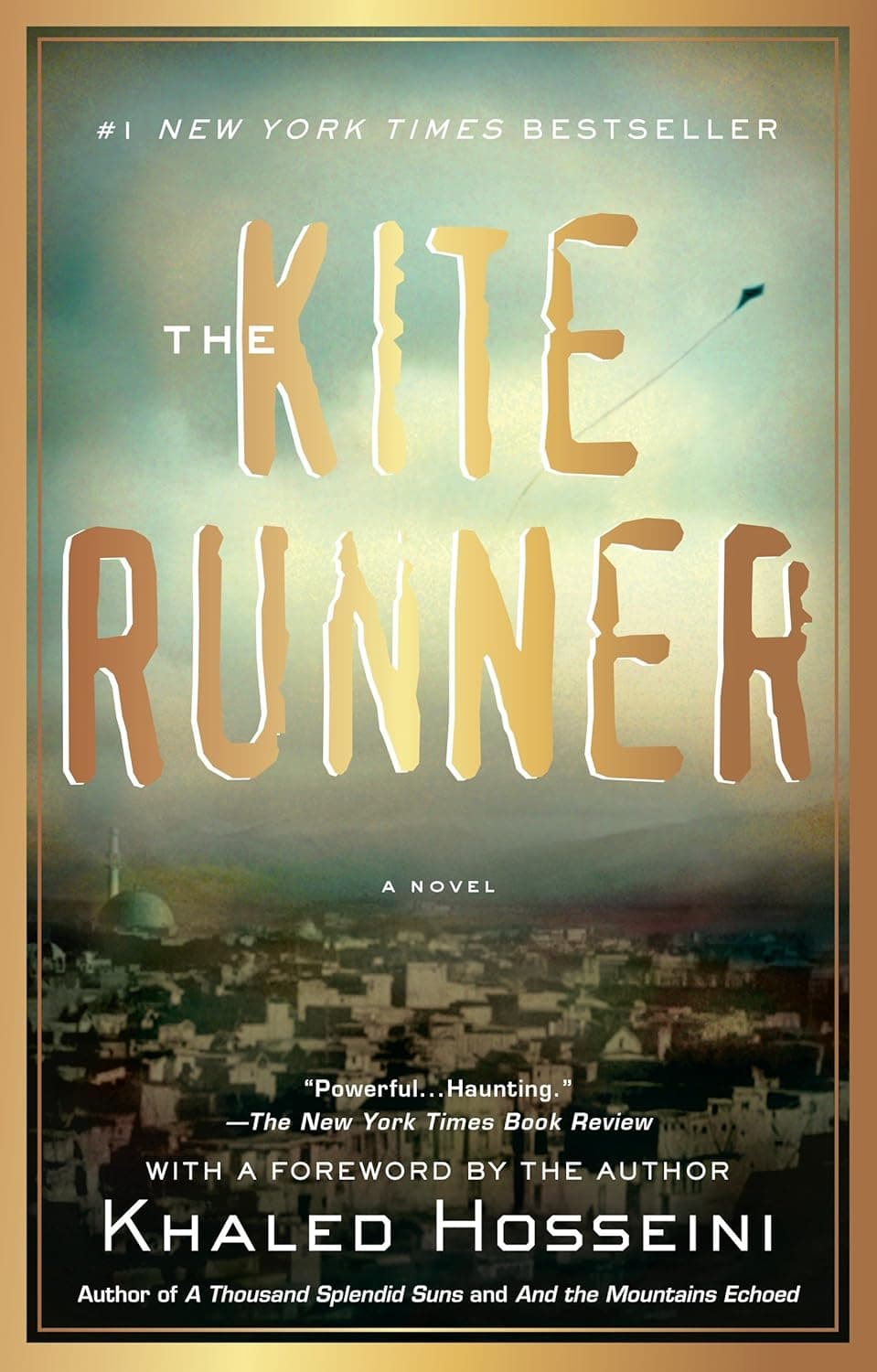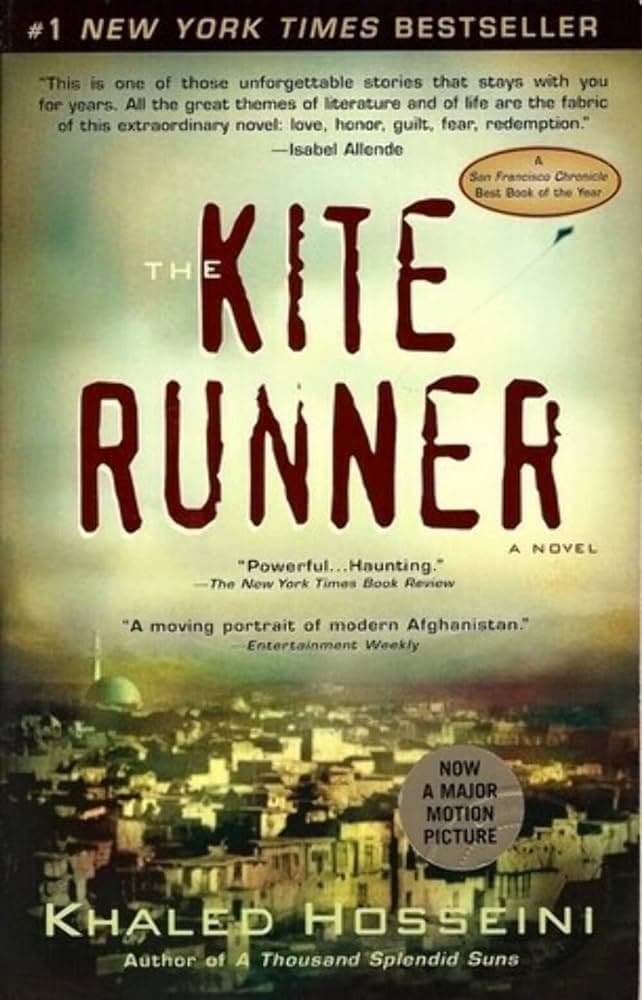
"Caught in the tragic sweep of history, The Kite Runner transports readers to Afghanistan at a tense and crucial moment of change and destruction. A powerful story of friendship, it is also about the power of reading, the price of betrayal, and the possibility of redemption; and an exploration of the power of fathers over sons—their love, their sacrifices, their lies.
Since its publication in 2003 Kite Runner has become a beloved, one-of-a-kind classic of contemporary literature, touching millions of readers, and launching the career of one of America's most treasured writers."-- Provided by Amazon
Add to your library to track progress and write reviews
Find The Kite Runner Khaled Hosseini in PDF, EPUB, ebook, audiobook, print, or library editions.

2 books in catalog
Contemporary Afghan-American fiction gained widespread attention through detailed depictions of Afghan society, culture, and history in the best-selling novel The Kite Runner. Written by Khaled Hosseini, this debut work introduced global audiences to life in Kabul prior to and during decades of political upheaval, framing complex historical shifts through personal narratives of family, guilt, and redemption.
Following his debut, Hosseini expanded his focus on Afghan history and human resilience in subsequent works such as A Thousand Splendid Suns, building a body of literature centered on family bonds, political displacement, and humanitarian concerns.
Khaled Hosseini was born in Kabul, Afghanistan, in 1965, where his mother taught Farsi and history and his father served as a diplomat in the Afghan Foreign Ministry. In 1970, Hosseini and his family moved to Tehran, Iran, where his father worked for the Afghan Embassy. The family returned to Kabul in 1973 before relocating to Paris, France, in 1976 for another diplomatic assignment. They were unable to return to Afghanistan due to the Saur Revolution and political turmoil. In 1980, the family sought political asylum in the United States and settled in San Jose, California.
Hosseini graduated from Independence High School in San Jose in 1984 and enrolled at Santa Clara University, earning a bachelor's degree in biology in 1988. He then attended the University of California, San Diego, School of Medicine, where he earned his M.D. in 1993. Hosseini completed his residency in internal medicine at Cedars-Sinai Medical Center in Los Angeles in 1996 and practiced medicine for over ten years, stepping away a year and a half after the publication of The Kite Runner in 2003. Hosseini serves as a Goodwill Envoy for the United Nations High Commissioner for Refugees (UNHCR) and provides humanitarian assistance in Afghanistan through the Khaled Hosseini Foundation. He lives in Northern California with his wife, Roya, and their two children, Harris and Farah.
Hosseini's narrative approach combines intimate domestic dramas with dramatic historical events, drawing on Afghan culture and traditions such as kite fighting. His writing frequently examines themes of moral failure, personal redemption, parental sacrifice, and the enduring impact of war and exile on families.
A central element of Hosseini's work is the portrayal of Afghan protagonists across multiple generations. By depicting life in pre-war Kabul alongside the hardships under changing regimes and foreign interventions, his novels highlight the resilience of individuals—particularly women and refugees—navigating conflict and displacement.
The Kite Runner Collection