§Synopsis
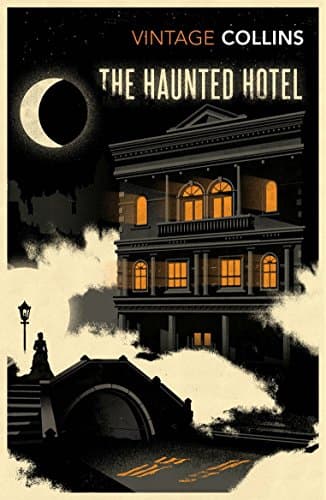
01This is perhaps Collins' last lucid effort before ill health and opium drained his powers. A tale of ghostly terror, relentless pace, tight narrative, and a doomed Countess characterize and distinguish this powerful Collins novelette.
This is perhaps Collins' last lucid effort before ill health and opium drained his powers. A tale of ghostly terror, relentless pace, tight narrative, and a doomed Countess characterize and distinguish this powerful Collins novelette.
This is perhaps Collins' last lucid effort before ill health and opium drained his powers. A tale of ghostly terror, relentless pace, tight narrative, and a doomed Countess characterize and distinguish this powerful Collins novelette.
Add to your library to track progress and write reviews
Add to your library to track progress and write reviews
Find The Haunted Hotel Wilkie Collins in PDF, EPUB, ebook, audiobook, print, or library editions.
Find The Haunted Hotel Wilkie Collins in PDF, EPUB, ebook, audiobook, print, or library editions.

4 books in catalog
Victorian mystery fiction owes much of its narrative suspense and structural innovation to pioneer sensation novels such as The Woman in White and police procedurals like The Moonstone. English author Wilkie Collins helped establish the foundation of modern detective fiction through intricate plot construction, multiple viewpoints, and legal drama. Born William Wilkie Collins on 8 January 1824 and dying on 23 September 1889, he produced over thirty major books alongside dozens of plays and short stories during a prolific writing career.
Born in London as the son of the landscape painter William Collins, Wilkie Collins spent part of his childhood traveling through Italy and France, where he learned both French and Italian. After returning to England, he worked as a clerk for a tea merchant before pursuing legal studies and literature. Following his literary debut with a memoir of his father and his first published novel, Antonina, in 1850, he met Charles Dickens in 1851. Dickens became a close friend, mentor, and frequent collaborator on drama and fiction. Much of Collins's work appeared in serial form within Dickens's popular periodicals Household Words and All the Year Round. During the 1860s, Collins achieved substantial financial stability and an international following with sensation masterpieces, including The Woman in White (1859) and The Moonstone (1868).
Despite his literary success, Collins faced severe health challenges in his later years. Suffering from gout, he turned to laudanum and opium for pain relief, which eventually developed into a long-term addiction. His writing quality and commercial popularity declined alongside his deteriorating health throughout the 1870s and 1880s. In his personal life, Collins remained deeply critical of the institution of marriage. He maintained an unconventional domestic arrangement, dividing his time between Caroline Graves and his common-law wife Martha Rudd, with whom he had three children.
Collins's narrative style is characterized by the use of epistolary frameworks, testimony from multiple narrators, and meticulous plotting designed to generate suspense. His sensation novels often critique contemporary social institutions, Victorian morality, and the rigid legal system, particularly regarding marriage laws and women's rights. Through suspenseful works like The Haunted Hotel and The Evil Genius: A Domestic Story, Collins exposed domestic anxieties and institutional hypocrisies while incorporating psychological depth and elements of horror or social realism into his fiction.
4 books in catalog
Victorian mystery fiction owes much of its narrative suspense and structural innovation to pioneer sensation novels such as The Woman in White and police procedurals like The Moonstone. English author Wilkie Collins helped establish the foundation of modern detective fiction through intricate plot construction, multiple viewpoints, and legal drama. Born William Wilkie Collins on 8 January 1824 and dying on 23 September 1889, he produced over thirty major books alongside dozens of plays and short stories during a prolific writing career.
Born in London as the son of the landscape painter William Collins, Wilkie Collins spent part of his childhood traveling through Italy and France, where he learned both French and Italian. After returning to England, he worked as a clerk for a tea merchant before pursuing legal studies and literature. Following his literary debut with a memoir of his father and his first published novel, Antonina, in 1850, he met Charles Dickens in 1851. Dickens became a close friend, mentor, and frequent collaborator on drama and fiction. Much of Collins's work appeared in serial form within Dickens's popular periodicals Household Words and All the Year Round. During the 1860s, Collins achieved substantial financial stability and an international following with sensation masterpieces, including The Woman in White (1859) and The Moonstone (1868).
Despite his literary success, Collins faced severe health challenges in his later years. Suffering from gout, he turned to laudanum and opium for pain relief, which eventually developed into a long-term addiction. His writing quality and commercial popularity declined alongside his deteriorating health throughout the 1870s and 1880s. In his personal life, Collins remained deeply critical of the institution of marriage. He maintained an unconventional domestic arrangement, dividing his time between Caroline Graves and his common-law wife Martha Rudd, with whom he had three children.
Collins's narrative style is characterized by the use of epistolary frameworks, testimony from multiple narrators, and meticulous plotting designed to generate suspense. His sensation novels often critique contemporary social institutions, Victorian morality, and the rigid legal system, particularly regarding marriage laws and women's rights. Through suspenseful works like The Haunted Hotel and The Evil Genius: A Domestic Story, Collins exposed domestic anxieties and institutional hypocrisies while incorporating psychological depth and elements of horror or social realism into his fiction.