§Synopsis
01"The Goldfinch is a rarity that comes along perhaps half a dozen times per decade, a smartly written literary novel that connects with the heart as well as the mind....Donna Tartt has delivered an extraordinary work of fiction."--Stephen King, The New York Times Book Review
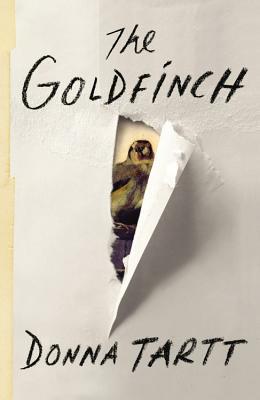
Composed with the skills of a master, The Goldfinch is a haunted odyssey through present day America and a drama of enthralling force and acuity.
It begins with a boy. Theo Decker, a thirteen-year-old New Yorker, miraculously survives an accident that kills his mother. Abandoned by his father, Theo is taken in by the family of a wealthy friend. Bewildered by his strange new home on Park Avenue, disturbed by schoolmates who don't know how to talk to him, and tormented above all by his unbearable longing for his mother, he clings to one thing that reminds him of her: a small, mysteriously captivating painting that ultimately draws Theo into the underworld of art.
As an adult, Theo moves silkily between the drawing rooms of the rich and the dusty labyrinth of an antiques store where he works. He is alienated and in love-and at the center of a narrowing, ever more dangerous circle.
The Goldfinch is a novel of shocking narrative energy and power. It combines unforgettably vivid characters, mesmerizing language, and breathtaking suspense, while plumbing with a philosopher's calm the deepest mysteries of love, identity, and art. It is a beautiful, stay-up-all-night and tell-all-your-friends triumph, an old-fashioned story of loss and obsession, survival and self-invention, and the ruthless machinations of fate.
§Our take
The Goldfinch is a gorgeous, overbuilt coming-of-age story: its sentences and atmosphere are pleasures, while its length and passive narrator are real liabilities.
The split reception tracks those divided merits. Kirkus praised the storytelling, while James Wood and other detractors found the plot implausible, the characters sentimental and the prose overwritten. Tartt is at her best in the atmosphere, the vivid company and the passages about beautiful objects. Theo holds attention when loss sharpens his eye, but he can also be tiresome. The long middle risks losing its thread amid furniture restoration, drug episodes and granular detail. The Las Vegas stretch divides readers too: some call it a highlight, while others feel the momentum collapse. Enter for the atmosphere, not a clean plot.
§Themes
- Grief as a compass
- Theo's mother's death leaves survivor's guilt and secrecy shaping his choices for years.
- Beauty with teeth
- The small Dutch painting is a talisman and a liability, binding beauty, obsession and danger.
- A difficult narrator
- Theo narrates his passivity and drug use intensely, which can read as haunting candor or tiresome self-pity.
- A Dickens-shaped life
- The orphan, benefactors, underworld and coincidences create a Dickensian shape, though detractors say the humor and moral struggle are missing.
§How it was received
Kirkus gave the 2013 hardcover a starred, strongly positive review, while Complete Review's survey of about 20 outlets found raves alongside hard pans and many mixed notices. The Washington Post, The Guardian and The New York Times were among the admirers; James Wood, Francine Prose and Lorin Stein led the case against it, and Wood's line that it belonged in children's literature became the shorthand for the debate. It sold over a million copies and won the 2014 Pulitzer Prize for Fiction anyway. The New Republic later argued that a split like this is normal for a big, popular literary novel.
§Read it if
- You want literary fiction where grief, visual beauty, class and self-invention matter as much as plot
- You can tolerate a long, slow middle and a passive, often frustrating protagonist
- You like immersive fiction that moves from New York drawing rooms to antique restoration and the art world's shadier edges
§Skip it if
- You need a lean, tightly plotted story. Coincidences, digressions and Theo's repeated bad choices can blunt the momentum.
- You avoid heavy substance use, graphic disaster scenes, child abuse, strong profanity or an affair.
§Before you start
- Reading experience
- Expect a tense opening, a long and bleak detail-heavy middle, and a sprawling final stretch whose reflective close can feel profound to some readers and sermon-like to others.
- Content notes
- Graphic descriptions of people killed or injured in a terrorist bombing; Frequent drug and alcohol use, including prescription painkillers, marijuana, cocaine and heavy drinking; Child abuse, parental violence and a shootout; Strong profanity and slurs, sexual references, non-graphic sexual encounters and an affair.
§Common questions
- Is The Goldfinch part of a series?
- No. It is a standalone novel and Tartt's third book, after The Secret History and The Little Friend, so there is no reading order.
- Is The Goldfinch a mystery or thriller?
- Not chiefly. The painting creates mystery and suspense, but the novel is a coming-of-age story about grief, art, identity and self-invention.
- How long is The Goldfinch?
- It is a long read. Cited page counts range from 771 to 976, and the total varies by edition, so check the format before buying.
§If you liked this
- The Secret History by Donna Tartt — Same author, shorter and campus-set, with secrecy and guilt again doing more work than a conventional plot.
- Extremely Loud & Incredibly Close by Jonathan Safran Foer — Kirkus placed it beside The Goldfinch in the literature of disaster and redemption narrated from a child's loss.
- Great Expectations by Charles Dickens — The orphan, the benefactors and the sprawling underworld invite the Dickens comparison, though detractors argue The Goldfinch lacks Dickens's humor and moral energy.
- Freedom by Jonathan Franzen — Not a content match: Franzen's novel drew a similar split between critics and readers.
Track this book
Add to your library to track progress and write reviews