§Synopsis
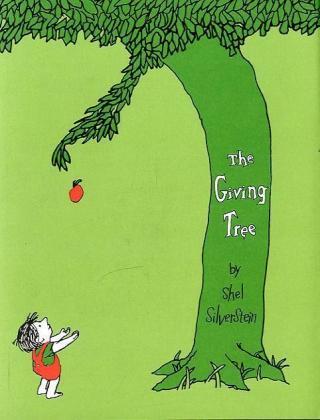
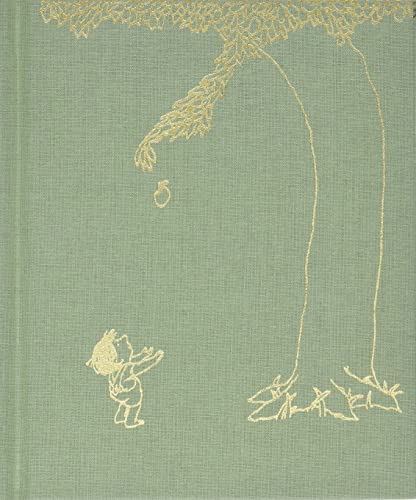
01In this Shel Silverstein classic packaged with a gift card, a young boy grows to manhood and old age experiencing the love and generosity of a tree which gives to him without thought of return. Illustrations. Consumable.
§Our take
Readers tend to land on one of two sides: the tree as a model of unconditional love, or as a boundary-less giver enabling a taker. The text is spare, the line drawings simple, yet the emotional weight sticks. Some educators use it to teach ethics; others call it sad and overly simple. What makes the book endure is that the same pages mean different things at different ages—children often accept it at face value, while parents and philosophers keep finding new reasons to debate it. Its lasting power comes from how it changes with you: a child may feel comfort, a parent may feel guilt, and a reader who’s given too much may feel recognized. The tree’s quiet generosity, or depletion, becomes whatever the reader brings to it.
§Themes
- Unconditional love vs. exploitation
- Readers split sharply: some see a parable of giving, others see a taker taking without return.
- Failed care and boundaries
- The tree gives until it has nothing left, raising questions about mutual responsibility and self-sacrifice.
- Environmental reading
- The tree can represent nature, and the boy humanity, taking resources until little remains.
- Changing with age
- A child may read it as sweet; a parent may read it as a story about learned giving and gratitude.
§How it was received
Harper & Row published it in 1964, and word-of-mouth turned it into Silverstein’s best seller by 1975. Critics and readers remain deeply divided: some hail it as a moving portrait of love, while others call it sad, overly simple, or a model of unhealthy giving. The debate has persisted for decades, with new rewrites and symposiums appearing every few years.
§Read it if
- You want a short picture book that sparks long conversations about ethics and relationships.
- You don’t mind a simple story that reveals new meaning as you grow older.
- You’re comfortable with ambiguous endings and open to interpretive reading.
§Skip it if
- You prefer stories with clear moral resolutions and happy endings.
- You’re looking for a book with strong plot and character development rather than open-ended symbolism.
§Before you start
- Reading experience
- It takes minutes to read aloud but invites long discussion.
- Content notes
- No violence, strong language, or scary content; Emotional sadness; tree is reduced to a stump.
§Common questions
- Is The Giving Tree part of a series?
- No, it’s a standalone picture book, though Silverstein’s The Missing Piece is often read in a similar spirit.
- Is it appropriate for young children?
- Common Sense Media recommends 4+, but many parents and educators find it most meaningful for older children and adults, depending on the reader’s experience.
- Why do some people find the book controversial?
- Readers disagree whether the tree represents unconditional love or an unhealthy, boundary-less relationship; the story’s meaning often shifts with the reader’s age and experience.
§If you liked this
- The Missing Piece by Shel Silverstein — Another Silverstein parable about wanting and what completes a person, and a natural companion to The Giving Tree.
- Love You Forever by Robert Munsch — A picture book about parent-child devotion that, like Silverstein’s, divides readers between tearful love and discomfort.
- The Lorax by Dr. Seuss — A Dr. Seuss fable about taking from nature, often paired with The Giving Tree in environmental readings.
- Where the Sidewalk Ends by Shel Silverstein — Silverstein’s best-known poetry collection, and a gentler entry point before tackling The Giving Tree.
Track this book
Add to your library to track progress and write reviews