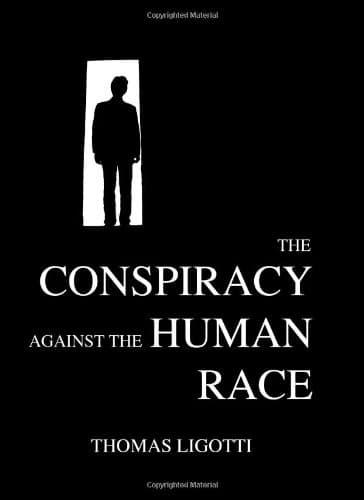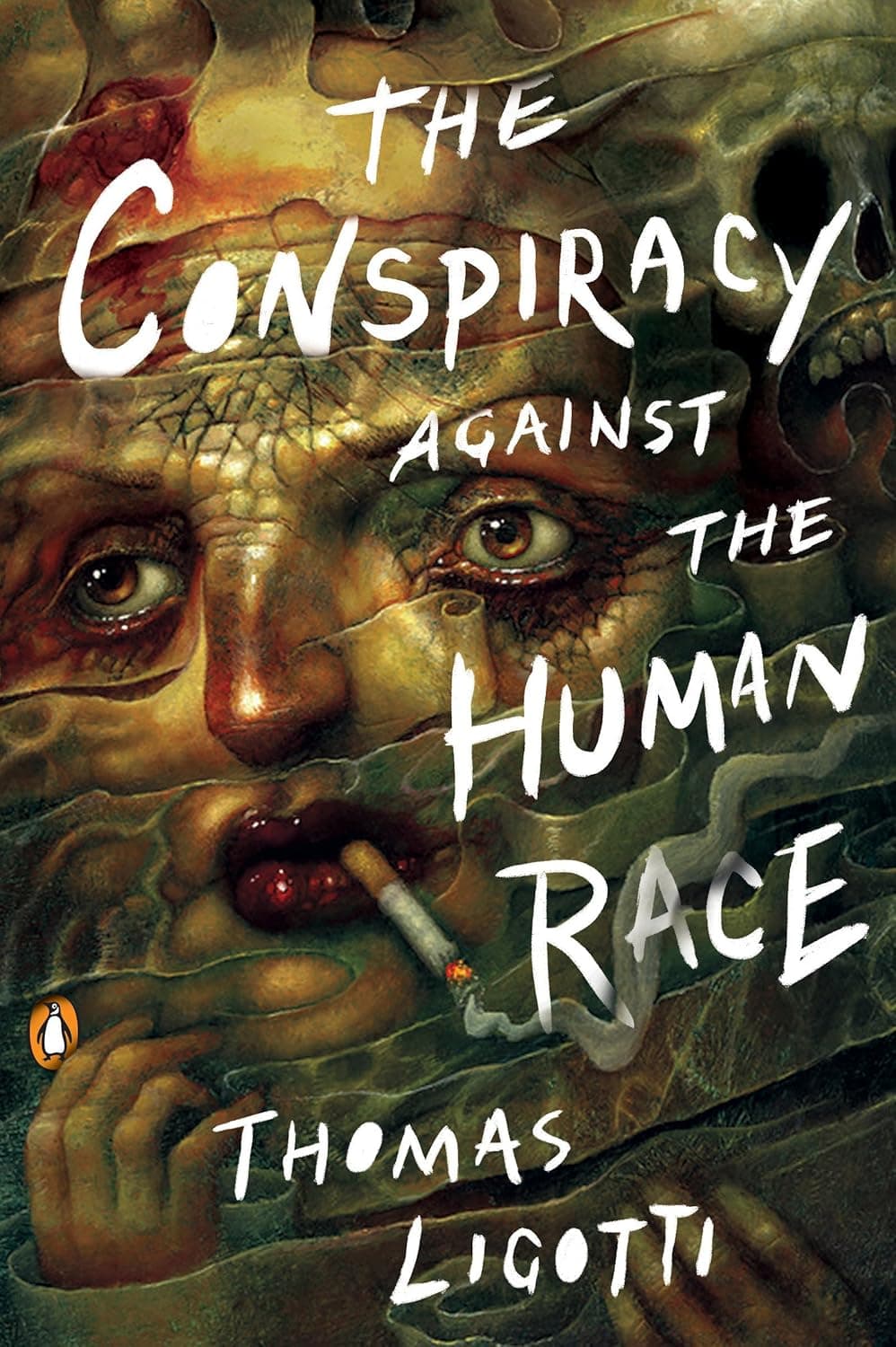
In Thomas Ligotti's first nonfiction outing, an examination of the meaning (or meaninglessness) of life through an insightful, unsparing argument that proves the greatest horrors are not the products of our imagination but instead are found in reality.
"There is a signature motif discernible in both works of philosophical pessimism and supernatural horror. It may be stated thus: Behind the scenes of life lurks something pernicious that makes a nightmare of our world."
His fiction is known to be some of the most terrifying in the genre of supernatural horror, but Thomas Ligotti's first nonfiction book may be even scarier. Drawing on philosophy, literature, neuroscience, and other fields of study, Ligotti takes the penetrating lens of his imagination and turns it on his audience, causing them to grapple with the brutal reality that they are living a meaningless nightmare, and anyone who feels otherwise is simply acting out an optimistic fallacy. At once a guidebook to pessimistic thought and a relentless critique of humanity's employment of self-deception to cope with the pervasive suffering of their existence, The Conspiracy against the Human Race may just convince readers that there is more than a measure of truth in the despairing yet unexpectedly liberating negativity that is widely considered a hallmark of Ligotti's work.
In Thomas Ligotti's first nonfiction outing, an examination of the meaning (or meaninglessness) of life through an insightful, unsparing argument that proves the greatest horrors are not the products of our imagination but instead are found in reality.
"There is a signature motif discernible in both works of philosophical pessimism and supernatural horror. It may be stated thus: Behind the scenes of life lurks something pernicious that makes a nightmare of our world."
His fiction is known to be some of the most terrifying in the genre of supernatural horror, but Thomas Ligotti's first nonfiction book may be even scarier. Drawing on philosophy, literature, neuroscience, and other fields of study, Ligotti takes the penetrating lens of his imagination and turns it on his audience, causing them to grapple with the brutal reality that they are living a meaningless nightmare, and anyone who feels otherwise is simply acting out an optimistic fallacy. At once a guidebook to pessimistic thought and a relentless critique of humanity's employment of self-deception to cope with the pervasive suffering of their existence, The Conspiracy against the Human Race may just convince readers that there is more than a measure of truth in the despairing yet unexpectedly liberating negativity that is widely considered a hallmark of Ligotti's work.
Add to your library to track progress and write reviews
Add to your library to track progress and write reviews
Find The Conspiracy against the Human Race: A Contrivance of Horror Thomas Ligotti in PDF, EPUB, ebook, audiobook, print, or library editions.
Find The Conspiracy against the Human Race: A Contrivance of Horror Thomas Ligotti in PDF, EPUB, ebook, audiobook, print, or library editions.

2 books in catalog
Thomas Ligotti (born July 9, 1953) is a contemporary American horror writer. His writings have been noted as being rooted in several literary genres – most prominently weird fiction – and have overall been described by many critics as works of philosophical horror, often formed into short stories and novellas in the tradition of gothic fiction. The worldview espoused by Ligotti in his fiction and non-fiction is pessimistic and nihilistic. The Washington Post called him "the best kept secret in contemporary horror fiction".
Source: Thomas Ligotti on Wikipedia.
2 books in catalog
Thomas Ligotti (born July 9, 1953) is a contemporary American horror writer. His writings have been noted as being rooted in several literary genres – most prominently weird fiction – and have overall been described by many critics as works of philosophical horror, often formed into short stories and novellas in the tradition of gothic fiction. The worldview espoused by Ligotti in his fiction and non-fiction is pessimistic and nihilistic. The Washington Post called him "the best kept secret in contemporary horror fiction".
Source: Thomas Ligotti on Wikipedia.