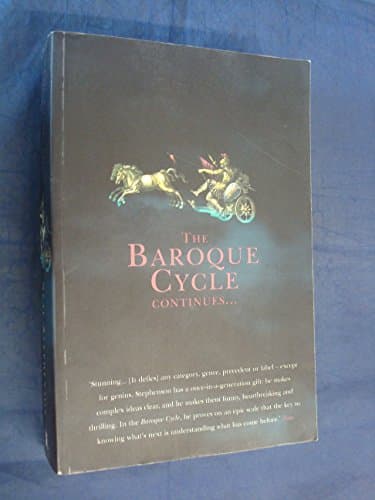
Continuing the epic adventure begun in the bestselling QUICKSILVER!In the year 1689, a cabal of Barbary galley slaves -- including one Jack Shaftoe, a.k.a. King of the Vagabonds, a.k.a. Half-Cocked Jack, lately and miraculously cured of the pox -- devises a daring plan to win freedom and fortune. A great adventure ensues, rife with battles, chases, hairbreadth escapes, swashbuckling, bloodletting, and danger -- a perilous race for an enormous prize of silver ... nay, gold ... nay, legendary gold that will place the intrepid band at odds with the mighty and the mad, with alchemists, Jesuits, great navies, pirate queens, and vengeful despots across vast oceans and around the globe.Meanwhile, back in Europe ...The exquisite and resourceful Eliza, Countess de la Zeur, master of markets, pawn and confidante of enemy kings, onetime Turkish harem virgin, is stripped of her immense personal fortune by France's most dashing privateer. Penniless and at risk from those who desire either her or her head (or both), she is caught up in a web of international intrigue, even as she desperately seeks the return of her most precious possession -- her child.While ...Newton and Leibniz continue to propound their grand theories as their infamous rivalry intensifies, stubborn alchemy does battle with the natural sciences, nobles are beheaded, dastardly plots are set in motion, coins are newly minted (or not) in enemy strongholds, father and sons reunite in faraway lands, priests rise from the dead ... and Daniel Waterhouse seeks passage to the Massachusetts colony in hopes of escaping the madness into which his world has descended.
Continuing the epic adventure begun in the bestselling QUICKSILVER!In the year 1689, a cabal of Barbary galley slaves -- including one Jack Shaftoe, a.k.a. King of the Vagabonds, a.k.a. Half-Cocked Jack, lately and miraculously cured of the pox -- devises a daring plan to win freedom and fortune. A great adventure ensues, rife with battles, chases, hairbreadth escapes, swashbuckling, bloodletting, and danger -- a perilous race for an enormous prize of silver ... nay, gold ... nay, legendary gold that will place the intrepid band at odds with the mighty and the mad, with alchemists, Jesuits, great navies, pirate queens, and vengeful despots across vast oceans and around the globe.Meanwhile, back in Europe ...The exquisite and resourceful Eliza, Countess de la Zeur, master of markets, pawn and confidante of enemy kings, onetime Turkish harem virgin, is stripped of her immense personal fortune by France's most dashing privateer. Penniless and at risk from those who desire either her or her head (or both), she is caught up in a web of international intrigue, even as she desperately seeks the return of her most precious possession -- her child.While ...Newton and Leibniz continue to propound their grand theories as their infamous rivalry intensifies, stubborn alchemy does battle with the natural sciences, nobles are beheaded, dastardly plots are set in motion, coins are newly minted (or not) in enemy strongholds, father and sons reunite in faraway lands, priests rise from the dead ... and Daniel Waterhouse seeks passage to the Massachusetts colony in hopes of escaping the madness into which his world has descended.
Add to your library to track progress and write reviews
Add to your library to track progress and write reviews
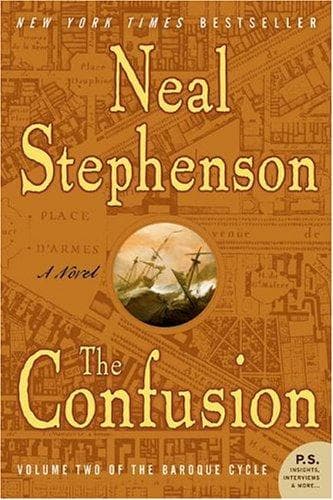
Find The Confusion Neal Stephenson in PDF, EPUB, ebook, audiobook, print, or library editions.
Find The Confusion Neal Stephenson in PDF, EPUB, ebook, audiobook, print, or library editions.
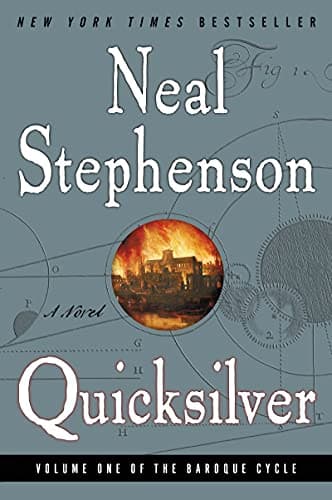
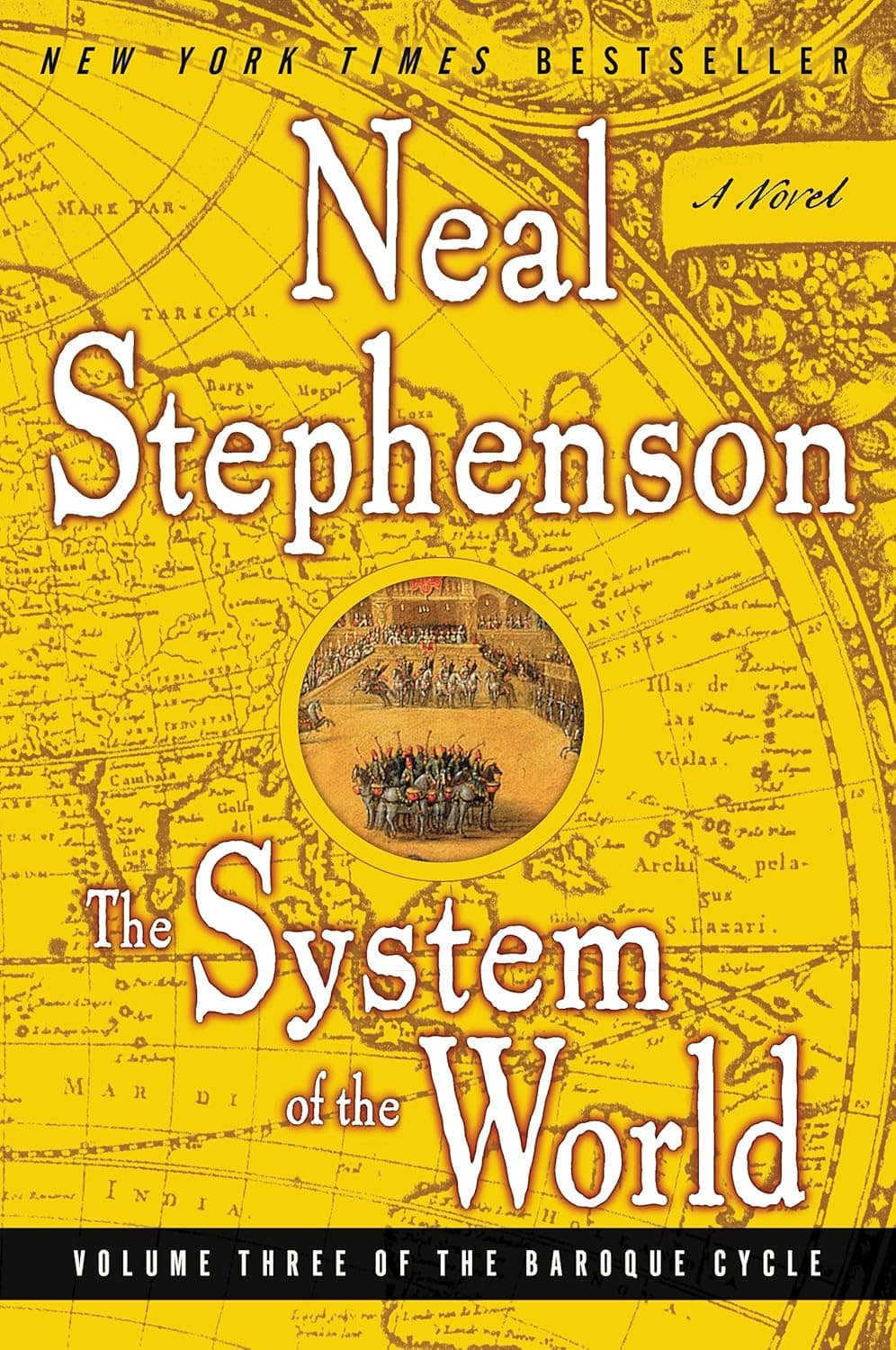
The Baroque Cycle
The Baroque Cycle

9 books in catalog
Speculative fiction reached a defining turning point with the 1992 publication of Snow Crash, a visionary cyberpunk novel that famously coined the term metaverse and foresaw immersive virtual worlds. Neal Stephenson established himself as a major figure in speculative fiction through expansive narratives that merge technical detail, historical context, and social commentary.
His vast bibliography spans genres including science fiction, historical fiction, cyberpunk, postcyberpunk, and epic hard science fiction. Major works such as Cryptonomicon and Seveneves demonstrate his ability to turn complex mathematical and scientific concepts into compelling narrative fiction.
Neal Town Stephenson was born on October 31, 1959. He published his debut novel, The Big U, in 1984, followed by Zodiac: The Eco-Thriller in 1988. In addition to his solo novels, Stephenson collaborated with his uncle, George Jewsbury (under the joint pseudonym Stephen Bury), to write novels such as Interface and Cobweb. Beyond his book-length fiction, he has written non-fiction articles about technology for publications such as Wired.
Stephenson's professional life extends into technology and commercial spaceflight endeavors. He worked as a part-time advisor for Blue Origin, the aerospace company funded by Jeff Bezos to develop a manned sub-orbital launch system. He also cofounded Subutai Corporation, serving as a key creative contributor to its interactive fiction project The Mongoliad, and later served as Chief Futurist for Magic Leap.
Stephenson's writing is characterized by intellectual ambition, intricate plotting, and meticulous research across diverse disciplines. His works frequently explore subjects such as mathematics, cryptography, linguistics, philosophy, currency, and the history of science. He bridges high-level scientific theoretical concepts with practical narrative drama, examining how technological and economic shifts alter human history over generations.
His narrative structure blends granular technical explanations with expansive world-building. Whether depicting the origin of digital computing or calculating orbital mechanics in Seveneves, Stephenson builds detailed fictional landscapes that challenge readers to consider the long-term historical and societal impacts of human innovation.
9 books in catalog
Speculative fiction reached a defining turning point with the 1992 publication of Snow Crash, a visionary cyberpunk novel that famously coined the term metaverse and foresaw immersive virtual worlds. Neal Stephenson established himself as a major figure in speculative fiction through expansive narratives that merge technical detail, historical context, and social commentary.
His vast bibliography spans genres including science fiction, historical fiction, cyberpunk, postcyberpunk, and epic hard science fiction. Major works such as Cryptonomicon and Seveneves demonstrate his ability to turn complex mathematical and scientific concepts into compelling narrative fiction.
Neal Town Stephenson was born on October 31, 1959. He published his debut novel, The Big U, in 1984, followed by Zodiac: The Eco-Thriller in 1988. In addition to his solo novels, Stephenson collaborated with his uncle, George Jewsbury (under the joint pseudonym Stephen Bury), to write novels such as Interface and Cobweb. Beyond his book-length fiction, he has written non-fiction articles about technology for publications such as Wired.
Stephenson's professional life extends into technology and commercial spaceflight endeavors. He worked as a part-time advisor for Blue Origin, the aerospace company funded by Jeff Bezos to develop a manned sub-orbital launch system. He also cofounded Subutai Corporation, serving as a key creative contributor to its interactive fiction project The Mongoliad, and later served as Chief Futurist for Magic Leap.
Stephenson's writing is characterized by intellectual ambition, intricate plotting, and meticulous research across diverse disciplines. His works frequently explore subjects such as mathematics, cryptography, linguistics, philosophy, currency, and the history of science. He bridges high-level scientific theoretical concepts with practical narrative drama, examining how technological and economic shifts alter human history over generations.
His narrative structure blends granular technical explanations with expansive world-building. Whether depicting the origin of digital computing or calculating orbital mechanics in Seveneves, Stephenson builds detailed fictional landscapes that challenge readers to consider the long-term historical and societal impacts of human innovation.