Speculative fiction and dystopian literature found one of their defining contemporary anchors in the 1985 novel The Handmaid's Tale, a narrative exploring totalitarian control, bodily autonomy, and societal resistance. Margaret Atwood developed the novel using exclusively real-world historical precedents, constructing a grounded examination of religious authoritarianism.
Her extensive bibliography spans more than fifty books of fiction, poetry, literary criticism, non-fiction, and graphic novels published in over forty-five countries. Beyond dystopias, Atwood's fiction encompasses psychological realism, historical re-examinations, and speculative visions of environmental and technological crisis.
Career & Background
Born in Ottawa, Ontario, in 1939, Atwood grew up in northern Ontario, Quebec, and Toronto. She received her undergraduate degree from Victoria College at the University of Toronto and her master's degree from Radcliffe College at Harvard University. She began publishing poetry in the 1960s before establishing her prose fiction career with early novels such as Surfacing and Cat's Eye, which was shortlisted for the Booker Prize.
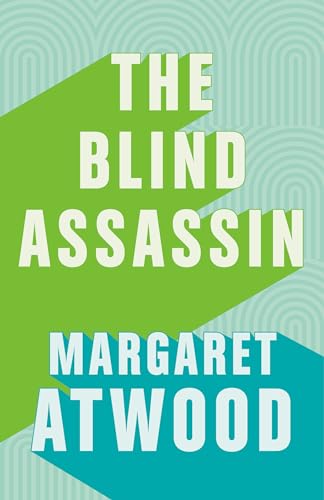
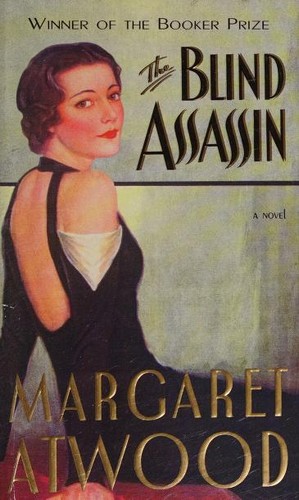
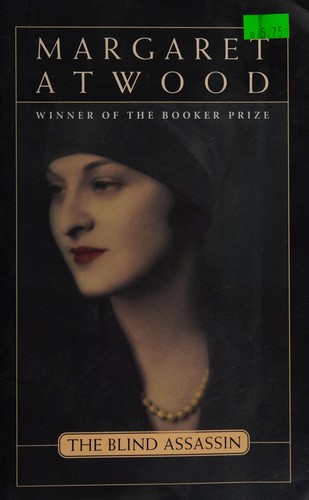
Her international reach expanded with historical fiction such as Alias Grace, which won Canada's Giller Prize and Italy's Premio Mondello. In 2000, Atwood won the Booker Prize for The Blind Assassin. She returned to speculative fiction with Oryx and Crake, shortlisted for the Booker Prize in 2003, which initiated her MaddAddam trilogy. In 2019, Atwood published The Testaments, a sequel to The Handmaid's Tale that became a co-winner of the Booker Prize. Alongside her writing, she has taught as a university professor, written literary commentary, and advocated for environmental protection while residing in Toronto.
Writing Style & Themes
Atwood's writing is characterized by stylistic precision, satirical irony, and formal experimentation. A recurring focus across her work is the examination of gender, power dynamics, institutional control, and human survival within shifting social environments. She frequently uses complex narrative frames, historical documents, and multi-layered perspectives to question cultural myths and recorded histories.
Her non-fiction writing, including Burning Questions: Essays and Occasional Pieces, 2004 to 2021, demonstrates her active interest in climate change, civil liberties, and the social role of art. Whether writing speculative fiction, historical drama, or critical prose, Atwood relies on extensive research and sharp observation to examine contemporary ethics.
Major Works
- The Handmaid's Tale — A 1985 dystopian novel set in the totalitarian Republic of Gilead, adapted into an award-winning television series.
- Cat's Eye — A novel focusing on memory, female friendship, and artistic development in post-war Canada, shortlisted for the Booker Prize.
- Alias Grace — A historical novel based on the 1843 murder case of Grace Marks, winner of the Giller Prize and Premio Mondello.
- The Blind Assassin — A multi-layered narrative combining family history and pulp science fiction, winner of the Booker Prize in 2000.
- Oryx and Crake — A speculative novel examining genetic engineering and corporate power, shortlisted for the Booker Prize in 2003.
- The Testaments — The 2019 Booker Prize co-winner and sequel to The Handmaid's Tale, set fifteen years after the events of the original novel.
- Surfacing — An early novel addressing identity, memory, and ecological connection set in the Canadian wilderness.
- Burning Questions: Essays and Occasional Pieces, 2004 to 2021 — A non-fiction collection bringing together essays, lectures, and commentary on literature, politics, and environmental issues.