Children's literature and macabre short fiction were transformed by imaginative storytelling that blended dark comedic twists with whimsical mischief, as demonstrated in Charlie and The Chocolate Factory. Roald Dahl authored nineteen children's books alongside adult short story collections and screenplays, creating classic works that have sold hundreds of millions of copies globally and been translated into dozens of languages.
Career & Background
Born in Llandaff, Cardiff, Wales, on September 13, 1916, to Norwegian parents Harald and Sofie Magdalene Dahl, he was named after the polar explorer Roald Amundsen. Following the early deaths of his father and sister when he was three, he was raised by his mother and educated at boarding schools, where local chocolate companies occasionally sent pupils new candy bars to sample. Instead of attending university, he joined an expedition to Newfoundland before taking a position with Shell Oil in Dar es Salaam.
At the outbreak of the Second World War, he enlisted in the Royal Air Force in Nairobi, serving as a fighter pilot and surviving a serious crash landing in the Libyan desert. He later served as an intelligence agent and Assistant Air Attaché in Washington, D.C., rising to the rank of acting wing commander. His writing career began with a published narrative describing his wartime crash in the Saturday Evening Post, followed by short fiction for adults and children in the 1940s. In 1953, he published the story collection Someone Like You and married actress Patricia Neal, with whom he raised five children.
Writing Style & Themes
The author's adult short stories are celebrated for their unexpected twist endings and satirical undertones, while his children's literature relies on unsentimental, dark humor, subverting traditional morality tales. His narratives frequently pit resourceful, understated child protagonists against grotesque, cruel, or oppressive adult antagonists. To heighten the imaginative atmosphere of his stories, he invented playful nonsense words, rich sensory descriptions, and absurd scenarios that celebrate creativity and childhood resilience.
Throughout his career as a novelist, short story writer, and screenwriter, his works earned significant critical recognition, including the 1983 World Fantasy Award for Life Achievement. His books continue to reach new generations through stage and screen adaptations. Before his death on November 23, 1990, in Oxford, England, he established a literary legacy centered on inventive wordplay, subverted expectations, and enduring child-centric storytelling.
Major Works
- James and the Giant Peach — Published in 1961, this early children's novel follows an orphaned boy who escapes his cruel aunts aboard a magical, oversized peach accompanied by talking insects.
- Charlie and The Chocolate Factory — Published in 1964, this famous story features young Charlie Bucket, who wins a golden ticket to tour Willy Wonka's mysterious candy factory.
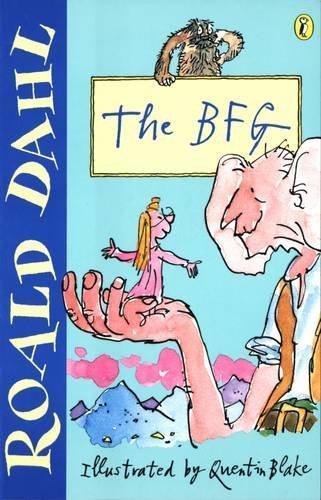
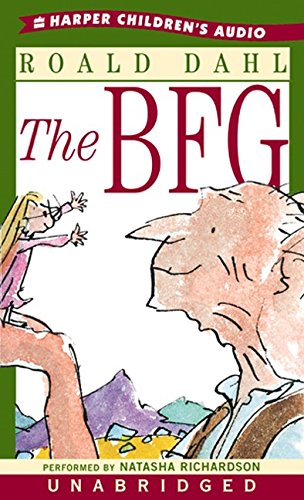
- The BFG — Published in 1982, this beloved tale details the adventures of young Sophie and the Big Friendly Giant as they collect sweet dreams and stop human-eating giants.
- Matilda — Published in 1988, this acclaimed novel centers on a brilliant young girl with telekinetic powers who stands up to her neglectful parents and her tyrannical headmistress, Miss Trunchbull.