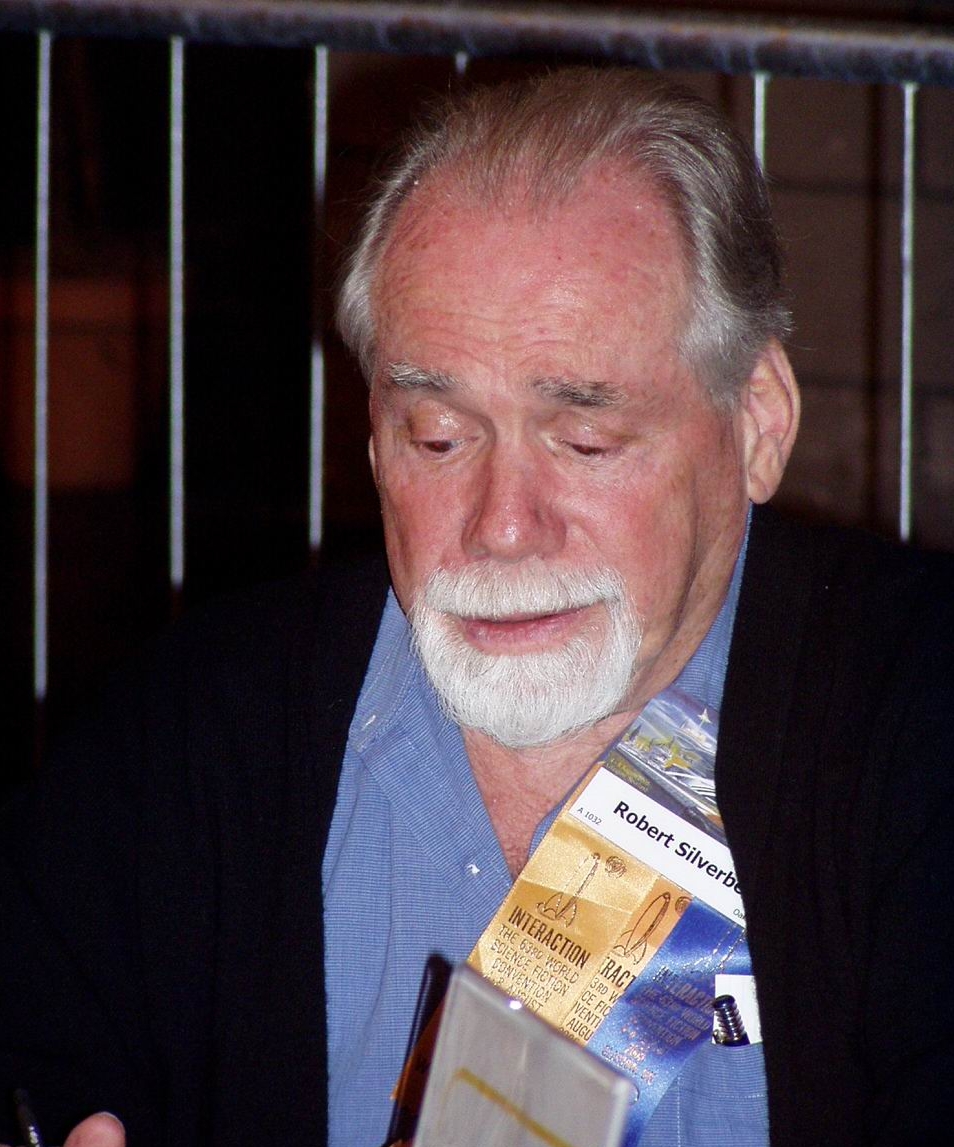
Science fiction literature gained one of its most prolific creators through speculative novels and expansive planetary fiction, most famously realized in the planetary romance Lord Valentine's Castle and the broader Majipoor Cycle. Robert Silverberg began submitting stories to speculative magazines as a teenager before establishing a career that spanned over five hundred books as an author and editor. His fiction ranges from intense psychological character studies to far-future planetary epics translated into forty languages.
Across six decades of writing, Silverberg earned multiple Hugo and Nebula Awards for his novels and novellas, alongside designation as a Science Fiction and Fantasy Hall of Fame inductee and SFWA Grand Master. His work introduced complex emotional themes, mature characterizations, and detailed world-building to mid-twentieth-century science fiction.
Career & Background
Born in Brooklyn, New York, in 1935, Silverberg began submitting stories to science fiction magazines at age thirteen. While studying at Columbia University, where he earned a Bachelor of Arts, he published his early genre story Gorgon Planet in 1954 and his debut novel Revolt on Alpha C in 1955. In 1956, he received the Hugo Award for Most Promising New Author. During the late 1950s and 1960s, he produced a vast volume of fiction across science fiction, non-fiction subjects such as history and geography, and works under various pen names including Don Elliott.
In the late 1960s and 1970s, Silverberg shifted toward more ambitious speculative novels, creating acclaimed works such as Thorns, Downward to the Earth, Tower of Glass, A Time of Changes, The Book of Skulls, and Dying Inside. He also explored time travel in Up the Line and political speculation in The Stochastic Man and Shadrach in the Furnace. Beyond his individual novels, he edited or co-edited more than seventy anthologies, including collections such as Foundation's Friends and Legends II: Shadows, Gods and Demons, while gaining recognition with a Science Fiction Hall of Fame induction in 1999 and the SFWA Grand Master designation in 2004.
Writing Style & Themes
Silverberg's writing is characterized by psychological depth, philosophical reflection, and rigorous exploration of human isolation, telepathy, and mortality. Works like Dying Inside examine the personal burden of extraordinary abilities in realistic contemporary settings, while novels such as Downward to the Earth combine alien environments with themes of spiritual redemption and colonialism. His prose frequently balances complex interior character voices with meticulous setting details, whether depicting urban futures in Tower of Glass or ancient alien landscapes.
In his major series and short fiction, Silverberg incorporates elements of myth, social satire, and cultural anthropology. The Majipoor stories, inaugurated by Lord Valentine's Castle, merge science fiction with high fantasy on a grand planetary scale, relying on rich world-building, elaborate social structures, and pageantry. As an editor, his anthology projects brought together leading voices in speculative fiction, demonstrating his breadth across hard science fiction, soft psychological drama, and epic fantasy.
Major Works
- Lord Valentine's Castle — The opening novel of the Majipoor Cycle, combining high fantasy and science fiction on a vast alien world where an exiled ruler seeks to reclaim his identity and throne.
- Dying Inside — A psychological novel following a telepath in New York City who faces the painful, gradual decay of his extra-sensory abilities.
- The Book of Skulls — A narrative following four college students who travel to the Arizona desert in search of an ancient order promising immortality at a deadly cost.
- Downward to the Earth — A novel set on the former colonial world of Belzagor, exploring themes of guilt, rebirth, and transcendental transformation among alien species.
- Tower of Glass — A speculative story set in a future where an arrogant industrialist builds a colossal tower to communicate with distant stars while oppressed androids seek liberation.
- A Time of Changes — A Hugo Award-winning novel set on a distant planet where self-expression is forbidden, following a prince who discovers a mind-revealing substance.
- Thorns — A novel examining emotional exploitation through two deeply scarred individuals brought together by a cynical media mogul.
- Up the Line — A time-travel novel detailing the misadventures and paradoxes encountered by a guide escorting tourists through historical eras.
- The Stochastic Man — A political science fiction novel focusing on a statistical advisor who discovers a method to perceive future events.
- Shadrach in the Furnace — A futuristic novel following the personal physician to a decaying world ruler as he navigates political intrigue and ethical dilemmas.
- Foundation's Friends — An anthology edited by Silverberg featuring original short fiction set in Isaac Asimov's speculative universes.
- Legends II: Shadows, Gods and Demons — A fantasy anthology edited by Silverberg bringing together short fiction set in celebrated speculative fantasy worlds.