The emergence of the English novel was heavily shaped by realistic prose narratives designed to read like true memoirs, travel accounts, and criminal histories. Daniel Defoe stood among the earliest British authors to popularize this narrative form, transitioning late in life from topical pamphleteering to long-form fiction. His novel Robinson Crusoe became one of the most widely read works in English literature, establishing conventions of realism and first-person perspective that redefined storytelling in the Augustan Age.
Career & Background
Born Daniel Foe in London around 1660 to a Dissenter family—his father James Foe was a butcher and tallow chandler—he later added the prefix 'De' to sound more gentlemanly. Educated at the Reverend Charles Morton's academy at Newington Green, he initially considered entering the ministry before going into business as a merchant in 1683. Over his life, Defoe engaged in various commercial enterprises, though several failed and resulted in severe financial distress, bankruptcy, and aggressive creditors. His active involvement in political writing and satirical pamphleteering led to his imprisonment for slander, but his political acumen later made him a valuable government agent and spy, writing intelligence reports and political tracts for successive Whig and Tory administrations.
Defoe was an extraordinarily prolific writer who produced more than 500 books, pamphlets, journal articles, and poems across his lifetime. In addition to his fiction, he served as a pioneer of economic journalism, writing extensively on commerce, trade, social issues, and governance. Following a serious illness and political changes around 1714–1715, he produced widely read didactic works like The Family Instructor (1715) before turning to extended fiction in his late fifties. By the time he published the first volume of Robinson Crusoe in 1719, he brought decades of observation, political analysis, and journalistic technique to his storytelling.
Writing Style & Themes
Defoe's literary style is marked by a rigorous commitment to circumstantial realism, employing meticulous logistical detail, practical accounting, and persuasive first-person narration. Across various subjects—including politics, crime, religion, marriage, psychology, and the supernatural—his narratives often depict resourceful individuals navigating isolation, moral conflicts, economic survival, and social mobility. By presenting fictional characters with authentic-sounding documentation, diary entries, and autobiographical reflection, Defoe created an immersive sense of verisimilitude that engaged readers accustomed to journalistic reports and spiritual autobiographies.
Major Works
- Robinson Crusoe — Published in 1719 as the fictional memoir of a castaway marooned on a tropical island for decades, this seminal novel popularized the survival narrative and established Defoe as a foundational figure in the development of the English novel.
- Moll Flanders — Published in 1722, this picaresque novel traces the tumultuous life, crimes, marriages, and eventual redemption of its titular heroine in London and colonial Virginia, highlighting themes of economic necessity and female autonomy.
- Roxana — Appearing in 1724 under the title Roxana: The Fortunate Mistress, this narrative explores the moral compromises, financial ambitions, and psychological burden of a woman navigating high society through sexual and financial maneuvering.
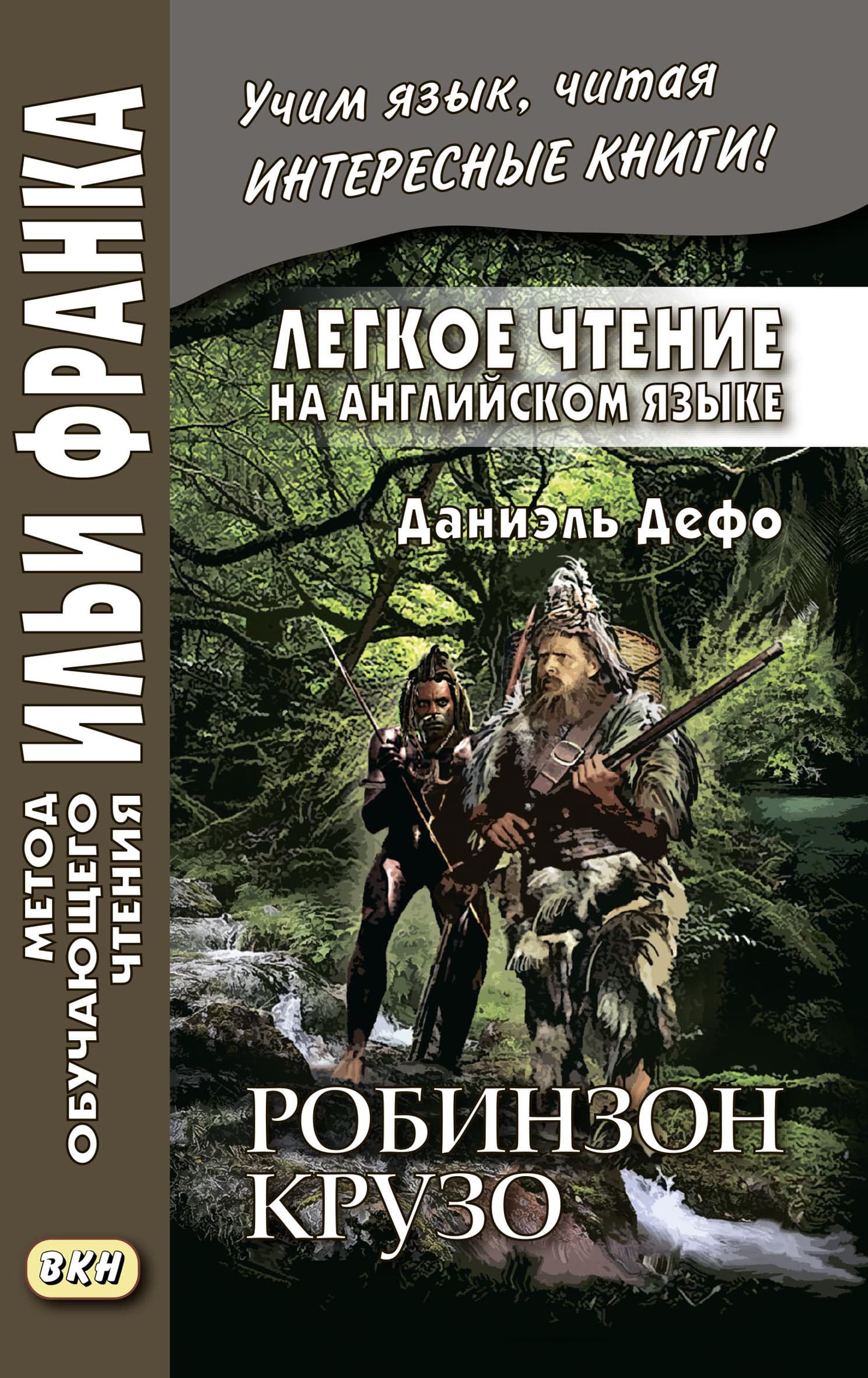
- Легкое чтение на английском языке. Даниэль Дефо. Робинзон Крузо (в пересказе Джеймса Болдуина) / Robinson Crusoe (written anew by James Baldwin) — An adapted language-learning edition of Defoe's classic castaway story, redesigned to introduce English-language learners to the famous tale of survival through simplified prose based on James Baldwin's retelling.