§Synopsis
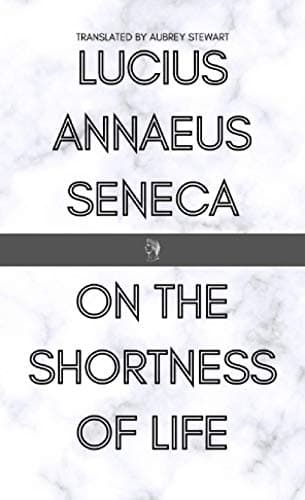
01On the Shortness of Life is a classic philosophical series of essays by the Stoic philosopher Seneca.
On the Shortness of Life is a classic philosophical series of essays by the Stoic philosopher Seneca.
On the Shortness of Life is a classic philosophical series of essays by the Stoic philosopher Seneca.
Add to your library to track progress and write reviews
Add to your library to track progress and write reviews

4 books in catalog
Stoic essays and moral epistles written in Latin during the Roman Imperial Period offer practical guidance on time management, virtue, grief, and mortality, most notably in Letters from a Stoic and On the Shortness of Life. Lucius Annaeus Seneca, commonly known as Seneca or Seneca the Younger, authored these classic works to explore how individual reason and self-examination can maintain emotional equilibrium against political turbulence and personal adversity.
Through extensive philosophical treatises, dramatic tragedies, and 124 moral letters written to his friend Lucilius, Seneca helped shape the Latin Stoic tradition. His writings criticize societal vanity and excess while articulating actionable moral frameworks that influenced classical antiquity and later European thought.
Born around 4 BCE in Corduba (modern-day Córdoba, Spain), Seneca was the son of the rhetorician Seneca the Elder and belonged to a prominent family that included his elder brother Lucius Junius Gallio Annaeanus and his nephew, the poet Lucan. Raised in Rome from childhood, Seneca studied rhetoric and philosophy with great devotion despite possessing a delicate physical constitution. He quickly achieved distinction in the Roman courts as a skilled orator and advocate, though his early political visibility drew envy and hostility from Roman imperial authorities.
In 41 CE, during the reign of Emperor Claudius, Seneca was banished to the island of Corsica, where he spent eight years in exile. He was recalled to Rome in 49 CE through the influence of Agrippina to serve as tutor to her young son Nero. When Nero ascended the throne in 54 CE, Seneca became a key political advisor alongside the Praetorian prefect Sextus Afranius Burrus. Together, they guided imperial policy between 54 and 62 CE, promoting moderation and justice during the early years of Nero's reign.
As Nero's government grew increasingly autocratic and capricious, Seneca attempted to retire from public life and focus entirely on his philosophical writings. In 65 CE, however, Seneca was implicated in the Pisonian conspiracy to assassinate the emperor. Although his direct involvement remains disputed, Nero ordered him to commit suicide, a decree Seneca executed in accordance with Stoic principles of composure and dignity.
Seneca's prose style is characterized by incisive psychological insight, vivid antithesis, and memorable epigrams designed to exhort readers toward moral self-improvement. Unlike early Greek Stoics whose technical treatises survive largely in fragments, Seneca presented Stoic doctrines through accessible Latin prose that addressed daily human concerns such as anger, grief, wealth, and the fear of death. Works such as How to Die and Moral Letters to Lucilius Volume 1 illustrate his focus on practical ethics, urging readers to treat time as their most valuable asset and to view philosophical study as a daily mental discipline.
In addition to his moral essays and epistles, Seneca authored intense Latin tragedies that explored extreme emotional states, royal tyranny, and catastrophic violence. While his political career forced him to navigate the dangerous realities of imperial tyranny, his literary output consistently challenged Roman social norms, criticizing unchecked luxury, cruelty to enslaved people, and the mindless pursuit of status.
4 books in catalog
Stoic essays and moral epistles written in Latin during the Roman Imperial Period offer practical guidance on time management, virtue, grief, and mortality, most notably in Letters from a Stoic and On the Shortness of Life. Lucius Annaeus Seneca, commonly known as Seneca or Seneca the Younger, authored these classic works to explore how individual reason and self-examination can maintain emotional equilibrium against political turbulence and personal adversity.
Through extensive philosophical treatises, dramatic tragedies, and 124 moral letters written to his friend Lucilius, Seneca helped shape the Latin Stoic tradition. His writings criticize societal vanity and excess while articulating actionable moral frameworks that influenced classical antiquity and later European thought.
Born around 4 BCE in Corduba (modern-day Córdoba, Spain), Seneca was the son of the rhetorician Seneca the Elder and belonged to a prominent family that included his elder brother Lucius Junius Gallio Annaeanus and his nephew, the poet Lucan. Raised in Rome from childhood, Seneca studied rhetoric and philosophy with great devotion despite possessing a delicate physical constitution. He quickly achieved distinction in the Roman courts as a skilled orator and advocate, though his early political visibility drew envy and hostility from Roman imperial authorities.
In 41 CE, during the reign of Emperor Claudius, Seneca was banished to the island of Corsica, where he spent eight years in exile. He was recalled to Rome in 49 CE through the influence of Agrippina to serve as tutor to her young son Nero. When Nero ascended the throne in 54 CE, Seneca became a key political advisor alongside the Praetorian prefect Sextus Afranius Burrus. Together, they guided imperial policy between 54 and 62 CE, promoting moderation and justice during the early years of Nero's reign.
As Nero's government grew increasingly autocratic and capricious, Seneca attempted to retire from public life and focus entirely on his philosophical writings. In 65 CE, however, Seneca was implicated in the Pisonian conspiracy to assassinate the emperor. Although his direct involvement remains disputed, Nero ordered him to commit suicide, a decree Seneca executed in accordance with Stoic principles of composure and dignity.
Seneca's prose style is characterized by incisive psychological insight, vivid antithesis, and memorable epigrams designed to exhort readers toward moral self-improvement. Unlike early Greek Stoics whose technical treatises survive largely in fragments, Seneca presented Stoic doctrines through accessible Latin prose that addressed daily human concerns such as anger, grief, wealth, and the fear of death. Works such as How to Die and Moral Letters to Lucilius Volume 1 illustrate his focus on practical ethics, urging readers to treat time as their most valuable asset and to view philosophical study as a daily mental discipline.
In addition to his moral essays and epistles, Seneca authored intense Latin tragedies that explored extreme emotional states, royal tyranny, and catastrophic violence. While his political career forced him to navigate the dangerous realities of imperial tyranny, his literary output consistently challenged Roman social norms, criticizing unchecked luxury, cruelty to enslaved people, and the mindless pursuit of status.