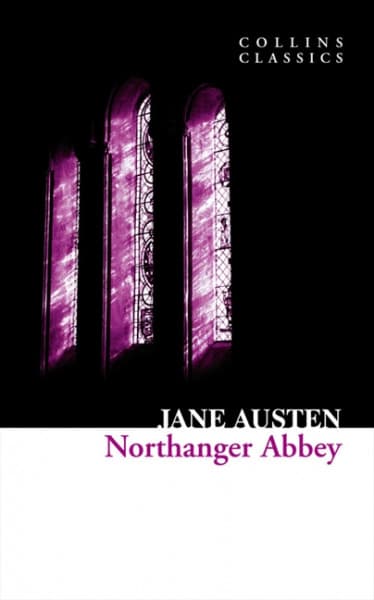
A wonderfully entertaining coming-of-age story, Northanger Abbey is often referred to as Jane Austen's "Gothic parody." Decrepit castles, locked rooms, mysterious chests, cryptic notes, and tyrannical fathers give the story an uncanny air, but one with a decidedly satirical twist.
The story's unlikely heroine is Catherine Morland, a remarkably innocent seventeen-year-old woman from a country parsonage. While spending a few weeks in Bath with a family friend, Catherine meets and falls in love with Henry Tilney, who invites her to visit his family estate, Northanger Abbey. Once there, Catherine, a great reader of Gothic thrillers, lets the shadowy atmosphere of the old mansion fill her mind with terrible suspicions. What is the mystery surrounding the death of Henry's mother? Is the family concealing a terrible secret within the elegant rooms of the Abbey? Can she trust Henry, or is he part of an evil conspiracy? Catherine finds dreadful portents in the most prosaic events, until Henry persuades her to see the peril in confusing life with art.
Executed with high-spirited gusto, Northanger Abbey is a lighthearted, yet unsentimental commentary on love and marriage.
Add to your library to track progress and write reviews
Find Northanger Abbey Jane Austen in PDF, EPUB, ebook, audiobook, print, or library editions.

6 books in catalog
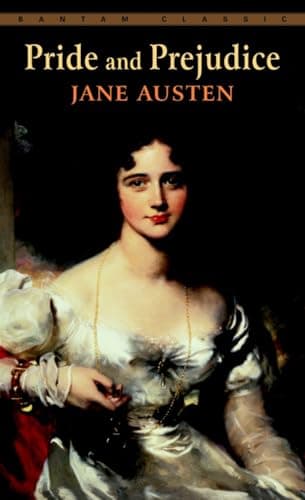
English fiction at the turn of the nineteenth century gained a distinctly realistic character through comic novels depicting ordinary people in everyday life, as best seen in Pride and Prejudice. The novelist Jane Austen, born on December 16, 1775, in Steventon, Hampshire, produced six major novels that interpret, critique, and comment upon the English landed gentry at the end of the eighteenth century.
Born the seventh child of the country clergyman Rev. George Austen and his wife Cassandra, Jane Austen spent her first twenty-five years at Steventon Rectory, where she began writing as a teenager. After moving to Bath in 1801 and later residing in Southampton following her father's death in 1805, she eventually settled at Chawton with her mother and elder sister Cassandra. Austen published four novels during her lifetime—Sense and Sensibility in 1811, Pride and Prejudice in 1813, Mansfield Park in 1814, and Emma in 1815—all published anonymously. She died in Winchester on July 18, 1817.
Six months after her death in 1817, her novels Northanger Abbey and Persuasion were published together in a posthumous edition. Her brother Henry Thomas Austen contributed a prefatory 'Biographical Notice' that named Jane Austen publicly for the first time as the author of all her published works. Further biographical detail reached the public in 1870 when her nephew James Edward Austen-Leigh published A Memoir of Jane Austen.
Austen's narratives frequently focus on the economic and social dependence of women on marriage to secure financial stability and social standing. Her sharp social commentary, realistic characterizations, and masterful use of irony serve as implicit critiques of late eighteenth-century novels of sensibility. By grounding her stories in the domestic realities of the English middle and upper classes, her writing marks an important transition toward nineteenth-century literary realism.