SSansFiction
The libraryCollectionsJournalStatsFor authors
Sign inJoin now
Sansfiction,

A digital library for books. Made by readers, for readers.

v 2.0 · 2026
The library
  • Discover
  • Collections
  • Book tracker
  • Journal
  • Stats
For authors
  • SF Links
  • Analytics
  • How it works
  • FAQ
Elsewhere
  • X / @sansfiction
  • Privacy
  • Terms
  • Contact
© 2026 SansFiction · Digital · GlobalA quiet room for your reading life.
The libraryCollectionsJournalStatsFor authors
Sign inJoin now →
Navigation
Library
Bookshelf
Journal
Discover
Collections
Tierlists
Stats
Profile
Author Page
Link Builder
Account
Sign in
S
G
BooksbiographyNerd Do Well
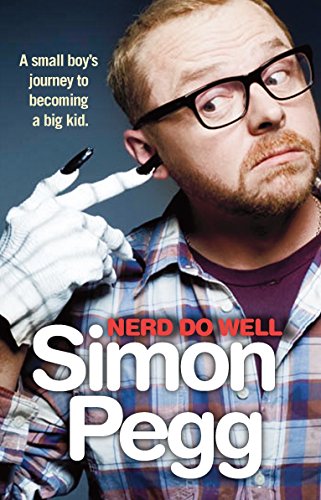
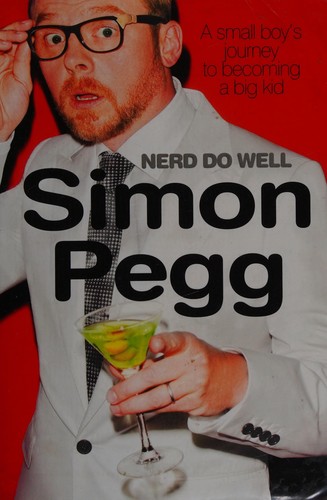
Cover of Nerd Do Well by Simon Pegg

Nerd Do Well,

by Simon Pegg

Ask AI
Rating3.6/ 5
Ratings30
Pages404
Reading Hours8h
Published2009
LanguageEnglish

§Synopsis

01

Simon Pegg’s journey begins not on a Hollywood red carpet, but in the quiet, damp corners of working-class Gloucester, where the arrival of a Star Wars sticker or a grainy VHS recording of Doctor Who carried the weight of religious scripture. For a young boy navigating the shifts of 1970s Britain and the social hierarchies of the schoolyard, pop culture was never merely entertainment; it was a survival kit. This is an analytical deep dive into the architecture of fandom, exploring how the obsessive consumption of sci-fi and horror provides a lexicon for understanding real-world trauma, family dynamics, and the search for identity.

The narrative operates on two distinct tracks: a sincere, non-linear autobiography and a heightened fictional spy thriller featuring an idealized, hyper-masculine version of Pegg. By weaving these together, the book examines the friction between who we are in the mirror and the heroic archetypes we project onto our own lives. It is less a collection of "making-of" anecdotes and more an investigation into the "source code" of a creative mind—how a childhood spent cataloging the rules of the Star Trek universe inevitably leads to the deconstruction of genre in modern cinema.

The Topography of Pre-Digital Fandom

The "world" of this memoir is defined by the scarcity and preciousness of information in post-Thatcher England. Pegg constructs a vivid atmosphere where "nerdiness" is not a mainstream commodity but a clandestine currency traded in playgrounds. The rules of this world are governed by the limitations of technology—tracking the "tracking" on a rented videotape or waiting weeks for a specific toy to arrive at the local shop. This setting functions as a crucible, where the isolation of being a "geek" in a pre-internet age fosters a specific type of intense, focused creativity. The atmosphere is one of gray suburban reality constantly being overwritten by the neon-lit rules of the George Lucas and Steven Spielberg galaxies.

The Physics of Creative Symbiosis

At the heart of the character development is the transition from a solitary dreamer to a collaborative force. Pegg details his early psychological development through a series of "performative" defense mechanisms, using humor as a shield against schoolyard volatility. A pivotal dynamic emerges in the early London years: the meeting of creative soulmates. The relationship between Pegg and his inner circle—specifically his early bond with Nick Frost—is treated with the gravity of a scientific reaction. It isn't just friendship; it is the alignment of two specific frequencies of humor and obsession that allows them to build a shared reality, eventually manifesting in the "filthy flat" culture that would birth their most famous works.

Subverting the Heroic Archetype

The book heavily utilizes the "Gentleman Spy" trope through its fictional interludes, featuring a version of "Pegg" who is a suave, Bond-like operative accompanied by a pedantic robot butler named Canterbury. This fictional setting serves to subvert the traditional celebrity memoir format. By placing his fictional self in high-stakes, trope-heavy scenarios—complete with international intrigue and classic "save the world" stakes—Pegg highlights the absurdity of the "Chosen One" narrative. He contrasts the frictionless competence of the fictional spy with the messy, anxiety-prone reality of his actual career path, suggesting that the tropes we love are often the very things that make us feel inadequate in our own lives.

The Mechanics of the "Debug Mode"

Pegg posits that being a nerd is akin to finding the "debug mode" in the software of reality. The first half of the book focuses on the stakes of this realization: if you can understand the internal logic of a zombie film or the structural requirements of a sitcom, you can begin to manipulate the rules of your own environment. The moral dilemma presented is the tension between escaping into these worlds and using them as tools to fix the one you actually inhabit. This thematic core moves away from simple nostalgia, instead treating pop culture as a set of mechanical blueprints for social navigation and professional survival.

Track this book

Add to your library to track progress and write reviews
§Genres
biography1biography & autobiography1motion picture actors and actresses1science fiction1

§About the Author

Simon Pegg

1 books in catalog

Transitioning from a childhood consumer of science fiction and comic books to a primary architect of modern genre comedy, this British writer and performer has redefined the role of the enthusiast in professional storytelling. His work frequently explores the tension between arrested development and the necessity of adult responsibility, utilizing a deep-seated knowledge of cinematic tropes to ground fantastical scenarios in relatable human emotion. By treating genre elements—be they zombies, alien invasions, or police procedurals—with sincerity rather than parody, he helped establish a narrative template where pop-culture literacy serves as a primary language for character development.

The trajectory of his career reflects a shift from the fringes of alternative British comedy to the center of global franchises. Educated in drama at the University of Bristol, he initially found success on the stand-up circuit before co-creating the television series Spaced. This project proved pivotal, as it moved away from the traditional sitcom format to embrace a cinematic, reference-heavy style that mirrored the internal lives of a generation raised on home video and gaming. This collaborative approach to writing established a career-long pattern of blending high-concept premises with mundane, "kitchen-sink" realism.

Career & Background

Born Simon Beckingham in 1970 in Gloucestershire, he adopted his stepfather’s surname before pursuing a career in performing arts. His early professional life was defined by the UK comedy scene of the late 1990s, where he formed a lasting creative partnership with director Edgar Wright and actor Nick Frost. This trio became synonymous with a specific brand of British satire that was both technically precise and emotionally grounded.

While his work as an actor in the Star Trek and Mission: Impossible franchises has made him a recognizable global figure, his identity remains rooted in his contributions as a screenwriter. He has consistently utilized his position within the industry to champion stories that validate the "outsider" perspective, moving from niche cult success to writing major studio entries, including Star Trek Beyond.

Writing Style & Themes

The thematic core of his writing often centers on the endurance of friendship in the face of extraordinary circumstances. Whether navigating a suburban apocalypse or a small-town conspiracy, his protagonists are typically ordinary men forced to reconcile their escapist fantasies with the harsh requirements of reality. This "everyman" perspective allows for a deconstruction of heroism, suggesting that true bravery is found in loyalty and the rejection of apathy.

Key stylistic hallmarks include:

  • Genre Hybridization: Combining disparate elements—such as romantic comedy and horror—to create "genre-bending" narratives that subvert audience expectations.
  • Intertextual Dialogue: Using pop-culture references not merely as jokes, but as a shorthand for how modern characters communicate and process trauma.
  • Cyclical Structure: Employing "planting and payoff" techniques where minor details in the first act become crucial plot points in the finale, a method most notably seen in the Three Flavours Cornetto trilogy.

Major Works & Literary Contributions

While primarily known for the screen, his literary presence was solidified with the publication of his memoir, Nerd Do Well (2010). Eschewing the standard chronological format of celebrity biographies, the book interleaves personal history with a serialized work of science fiction featuring a heightened, heroic version of himself. This narrative choice mirrors his screenwriting philosophy: the idea that our personal identities are inextricably linked to the stories we consume.

His major screenwriting credits include:

  • The Three Flavours Cornetto Trilogy: Consisting of Shaun of the Dead, Hot Fuzz, and The World’s End, these scripts are frequently cited in academic contexts for their structural integrity and social commentary on British identity.
  • Spaced: A seminal work in meta-textual television that bridged the gap between 90s slacker culture and modern geek culture.
  • Paul: A feature film that reversed the "alien invader" trope, focusing on the cultural impact of science fiction on the American psyche.

Legacy & Influence

His influence is visible in the contemporary "fan-to-creator" pipeline, where deep knowledge of a franchise is seen as a prerequisite for contributing to it. By proving that genre comedy could be both commercially successful and critically respected, he opened doors for a more referential, self-aware style of filmmaking. His work remains a touchstone for writers who seek to balance irony with genuine sentiment, ensuring that even the most absurd premises remain anchored in human truth.

§Other Editions

Showing 2 of 7 editions
Cover of Nerd Do Well

Nerd Do Well

engHardcover
Random House20099781846058110
Cover of Nerd Do Well

Nerd Do Well

eng
Random House20099780099551553
§Genres
biography1biography & autobiography1motion picture actors and actresses1science fiction1

Metadata

ISBN-139781409023937
ISBN-101409023931

Editions and availability

Find Nerd Do Well Simon Pegg in PDF, EPUB, ebook, audiobook, print, or library editions.

Bookshop.orgGoogle Play BooksBarnes & NobleOpen Library

Featured In Lists

Book cover from this collectionBook cover from this collectionBook cover from this collectionBook cover from this collection
Book cover from this collection

MegaReadingList

91 books