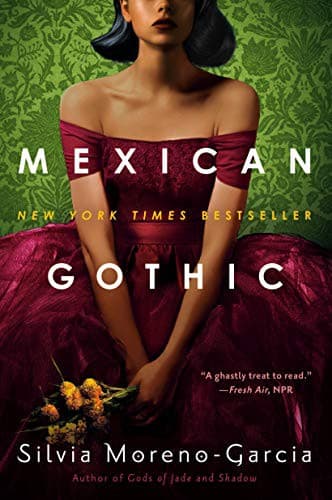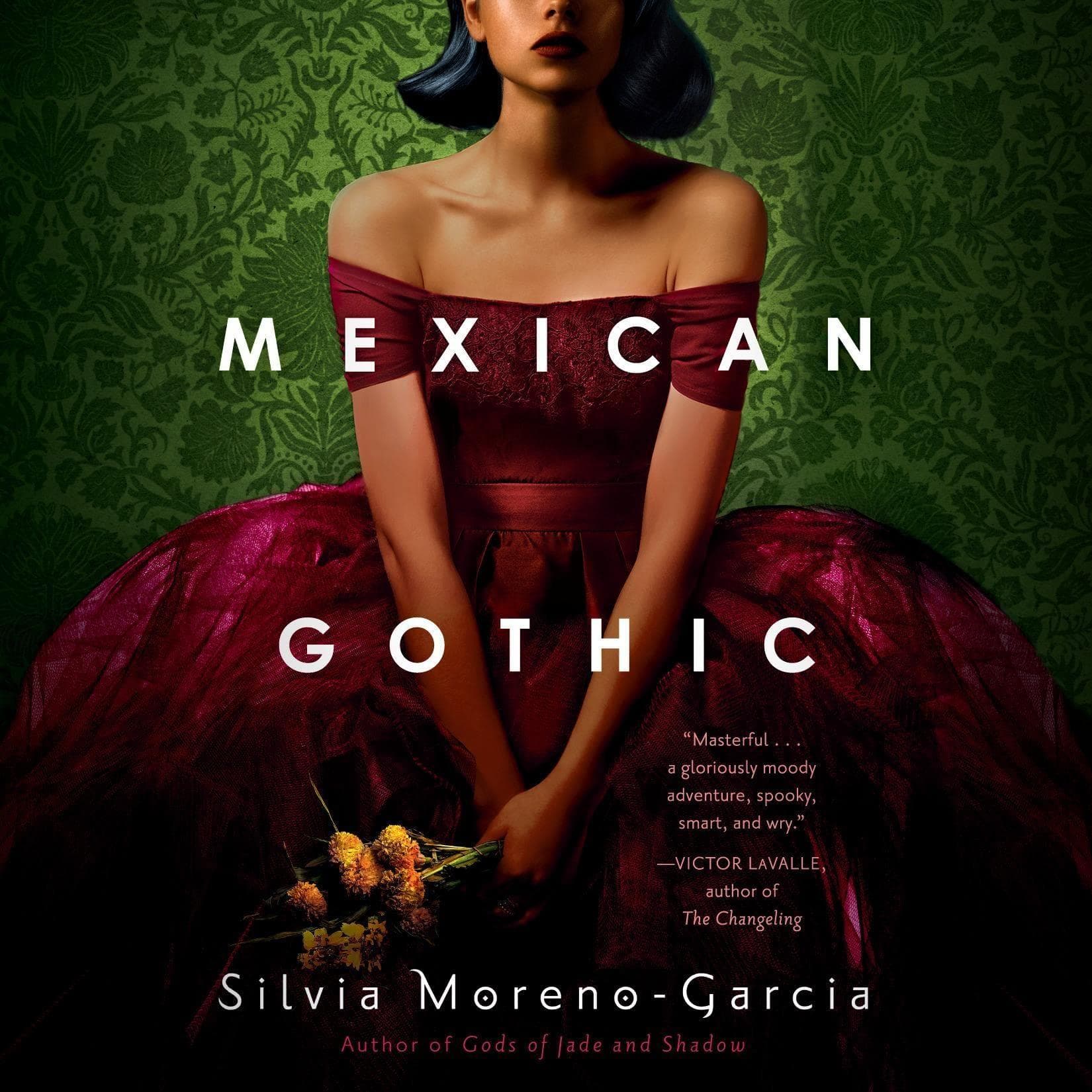
An isolated mansion. A chillingly charismatic aristocrat. And a brave socialite drawn to expose their treacherous secrets. . . . From the author of Gods of Jade and Shadow comes “a terrifying twist on classic gothic horror” (Kirkus Reviews) set in glamorous 1950s Mexico.
After receiving a frantic letter from her newly-wed cousin begging for someone to save her from a mysterious doom, Noemí Taboada heads to High Place, a distant house in the Mexican countryside. She’s not sure what she will find—her cousin’s husband, a handsome Englishman, is a stranger, and Noemí knows little about the region.
Noemí is also an unlikely rescuer: She’s a glamorous debutante, and her chic gowns and perfect red lipstick are more suited for cocktail parties than amateur sleuthing. But she’s also tough and smart, with an indomitable will, and she is not afraid: Not of her cousin’s new husband, who is both menacing and alluring; not of his father, the ancient patriarch who seems to be fascinated by Noemí; and not even of the house itself, which begins to invade Noemi’s dreams with visions of blood and doom.
Her only ally in this inhospitable abode is the family’s youngest son. Shy and gentle, he seems to want to help Noemí, but might also be hiding dark knowledge of his family’s past. For there are many secrets behind the walls of High Place. The family’s once colossal wealth and faded mining empire kept them from prying eyes, but as Noemí digs deeper she unearths stories of violence and madness.
And Noemí, mesmerized by the terrifying yet seductive world of High Place, may soon find it impossible to ever leave this enigmatic house behind.
Mexican Gothic takes the genre's oldest fear, the sinister foreigner, and turns it around. The menace here is the English family that came, dug out the silver and treated local workers as expendable. It's a clever reversal, and it never stops being a good haunted-house story.
Noemí helps. She wears lipstick and gowns to a house that wants her quiet, and she doesn't swoon. The first half is slow-burn dread. Then the book drops into body horror and goes big. Some readers love that swerve, and others wanted the restraint to last. Publishers Weekly saw plenty of Lovecraft and familiar gothic furniture. Academics read it as a pointed rewrite of the British gothic. Both are right, which is part of the fun.
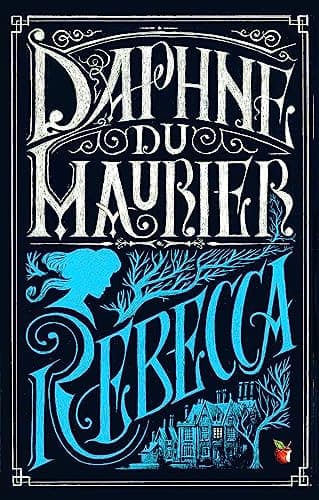
Kirkus recommended it warmly, praising the Mexican folklore, the resourceful heroine and a visceral ending, while warning that it's far gorier than a Rebecca-style romance. Publishers Weekly enjoyed the energetic romp but noted its debt to Lovecraft and gothic convention. It won the 2021 Locus Award for Horror Novel.
Add to your library to track progress and write reviews
Find Mexican Gothic Silvia Moreno-Garcia in PDF, EPUB, ebook, audiobook, print, or library editions.

6 books in catalog
Re-imagining classic horror, dark fantasy, and historical noir through Mexican folklore and history, speculative fiction has found new depth in books like Mexican Gothic. Silvia Moreno-Garcia is a Mexican-Canadian author, editor, and publisher whose versatile bibliography spans a wide array of subgenres, from 1950s jazz-infused urban fantasy to 1920s Mayan mythology.
Known for combining distinct period settings with gothic atmosphere and cultural heritage, her work has earned major speculative fiction accolades, including the World Fantasy, Locus, and British Fantasy awards.
Born on April 25, 1981, in Baja California, Mexico, Moreno-Garcia grew up in various locations throughout the country. Her parents worked at radio stations, surrounding her with extensive vinyl record collections, while stories from her great-grandmother in Hidalgo inspired an early appreciation for oral storytelling. After discovering classic horror literature through Edgar Allan Poe and H. P. Lovecraft as a child, she moved to Canada in 2004, later settling in Vancouver and earning a Master of Arts in Science and Technology Studies from the University of British Columbia.
Describing herself as "Mexican by birth, Canadian by inclination," Moreno-Garcia began publishing short fiction in the mid-2000s and expanded into editing and publishing through Innsmouth Free Press. She edited notable horror anthologies, including Cthulhurotica and the World Fantasy Award-winning She Walks in Shadows (released in the United States as Cthulhu's Daughters). She published her debut novel, Signal to Noise, in 2015, establishing a pattern of exploring a distinct subgenre with each new project.
Moreno-Garcia's approach to writing is marked by genre fluidity, deliberately shifting styles, eras, and narrative structures between books rather than repeating established templates. Her narratives frequently reframe standard Western literary motifs—such as Lovecraftian mythos, vampire lore, or mad scientist tropes—through Mexican history, mythology, and regional folklore.
Central themes across her catalog include the impacts of colonialism, social class divisions, family secrets, and cultural displacement. Grounded in meticulous historical research, her stories balance vivid atmospheric world-building with nuanced characterization across various historical periods, including Jazz Age Mexico, the 1950s silver-mining estates, and 1990s Mexico City.