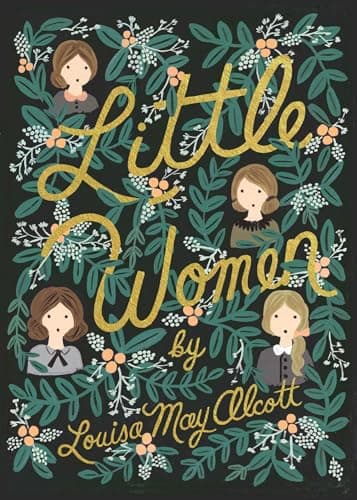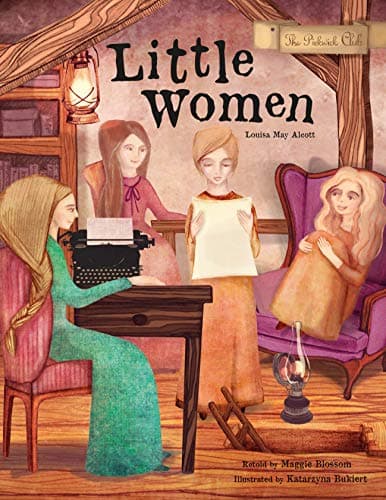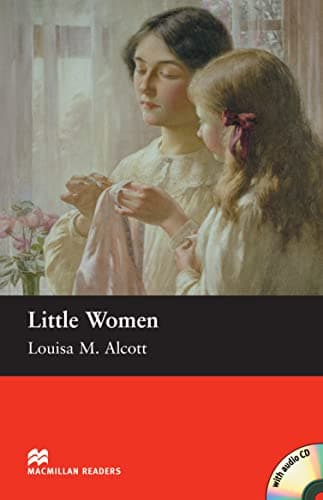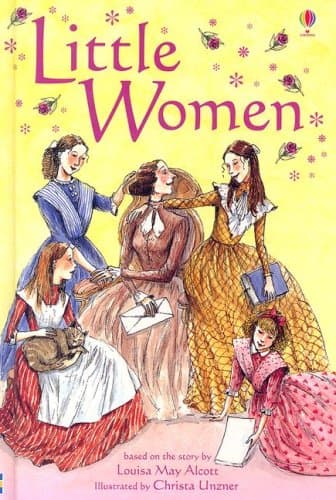
Chronicles the joys and sorrows of the four March sisters as they grow into young ladies in nineteenth-century New England.
Add to your library to track progress and write reviews
Find Little Women Louisa May Alcott in PDF, EPUB, ebook, audiobook, print, or library editions.

3 books in catalog
American coming-of-age fiction was profoundly shaped by domestic realism and vivid family portraiture in nineteenth-century classic literature, most famously exemplified by Little Women. Author Louisa May Alcott drew directly upon her own upbringing to chronicle the lives, creative ambitions, and personal struggles of four sisters growing up in New England. Her novel introduced readers to enduring characters like Jo March, whose spirited independence reflected her creator's own life.
Louisa May Alcott was born in Germantown, Pennsylvania on November 29, 1832. She and her three sisters, Anna, Elizabeth, and May, were primarily educated by her father, philosopher and teacher Bronson Alcott, and raised on the practical Christianity of her mother, Abigail May. Spending her childhood in Boston and Concord, Massachusetts, Alcott grew up in the intellectual circle of leading transcendentalist thinkers, enjoying visits to Ralph Waldo Emerson's library, excursions into nature with Henry David Thoreau, and theatricals in the barn at Hillside (later known as The Wayside).
Troubled by the poverty that plagued her family, fifteen-year-old Alcott vowed to take action, declaring that she would teach, sew, act, write, or do anything necessary to help her family and attain independence. Writing was an early passion, and she initially published stories under pseudonyms such as A. M. Barnard before earning widespread financial independence and a lasting writing career under her own name.
Alcott's writing featured semi-autobiographical realism, moral themes, and dramatic narrative flair. As a young girl, her rich imagination fueled melodramas that she and her sisters acted out for friends, with Alcott preferring to perform lurid roles such as villains, ghosts, bandits, and disdainful queens. Like her character Jo March, young Alcott was a tomboy who claimed that no boy could be her friend until she had beaten him in a race, nor any girl if she refused to climb trees and leap fences. Her mature work engaged themes of female ambition, family devotion, abolitionism, and women's rights.
Little Women