BooksLas cenizas y el rey maldito
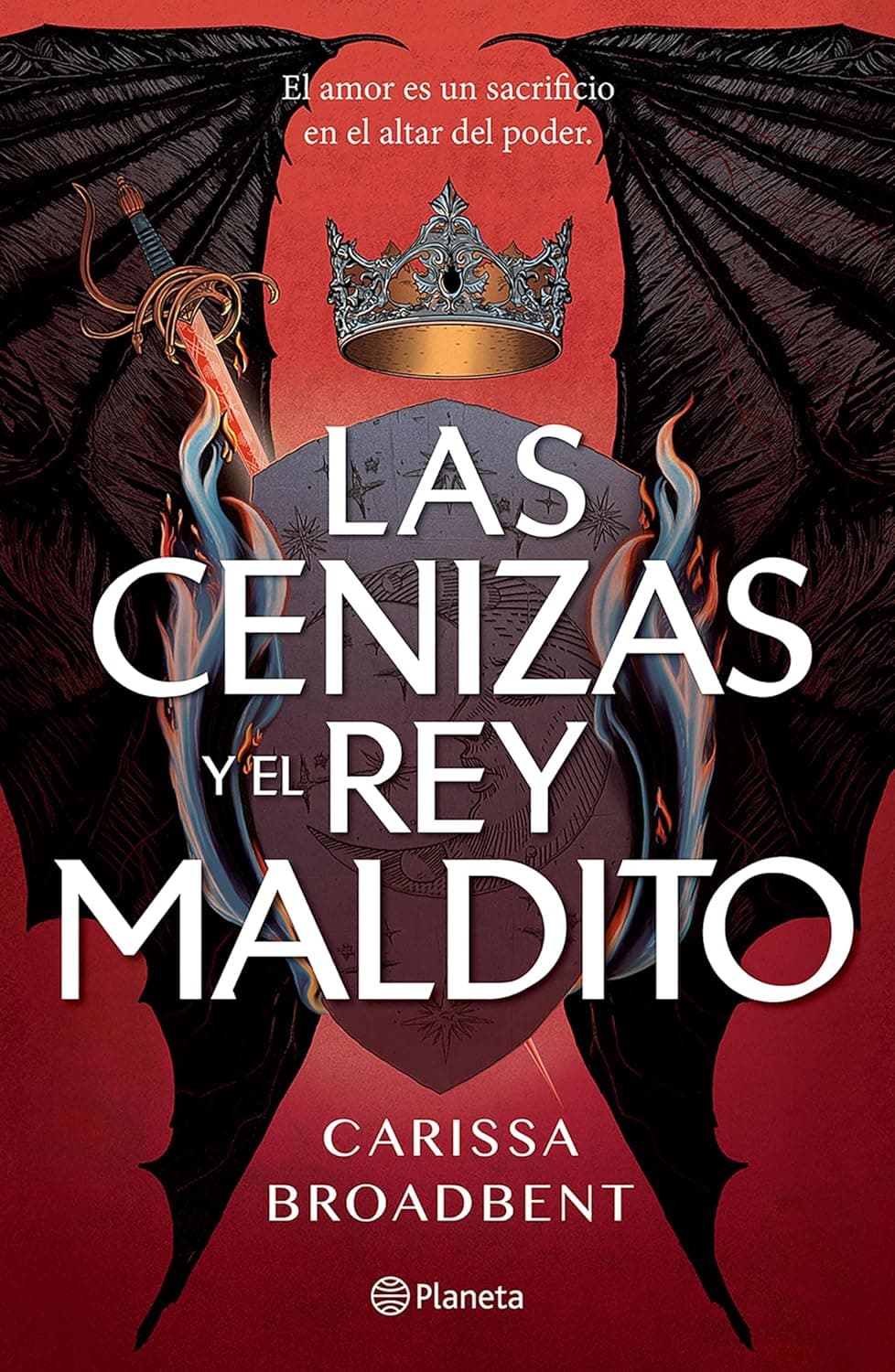
In the devastating wake of the Kejari tournament, the House of Night stands fractured, held together by a fragile and bitter alliance born of necessity rather than trust. For Oraya, the world has been stripped of its illusions; the father who protected her is gone, and the man she believed to be her equal is now her captor and king. This narrative transition marks a shift from the survival games of a predatory tournament to the far more lethal games of sovereign politics, where the boundaries between protector and enemy are blurred by shared blood and ancient secrets.
Broadbent explores the weight of legacy and the crushing cost of power through a lens of profound grief. The story is not merely a quest for a throne, but an investigation into the psychological toll of betrayal. As Oraya navigates the ruins of her life, she is forced to decide if the crown is a tool for vengeance or a prison that will eventually consume the remnants of her humanity. The tension is driven by a "no-win" scenario: Oraya must work with the person who destroyed her world to prevent a greater external threat from annihilating what remains of her home.
The setting moves beyond the confines of the tournament grounds to the wider, decaying majesty of the House of Night. The world-building focuses on the precarious social hierarchy between "born" vampires—the ancient aristocracy—and "turned" vampires, who are often viewed as usurpers or former slaves. The atmosphere is one of claustrophobic political intrigue, where the kingdom is besieged by the rival House of Blood. This external pressure forces the characters to grapple with the "Godsend" magic and the historical mysteries of Nyaxia, suggesting that the gods themselves have a vested interest in the bloodline currently fighting for survival.
The character development in the first half of the book focuses on the "messy, complicated layers" of Oraya’s psyche. She begins the story in a state of paralysis, trapped between her hatred for Raihn’s actions and her pragmatic need for his protection. Their dynamic is defined by a refusal to fall back into easy tropes; there is no quick forgiveness. Instead, their relationship is a grueling negotiation of power. Oraya’s arc is specifically centered on reclaiming her agency—moving from a woman who was a "pet" or a "pawn" to one who realizes she holds a unique, ancient leverage that neither the nobles nor the new king fully understand.
While the book utilizes common tropes like forced proximity and the "enemies-to-lovers" evolution, it subverts them by focusing on the consequences of the "happily ever after." Typically, a fantasy romance ends with the coronation; here, the coronation is the source of the trauma. The "forced proximity" is not a romantic convenience but a political death sentence, as both characters are trapped in a marriage of state that the rest of the world wants to tear down. Broadbent avoids "marketing-speak" by grounding the high-stakes magic in the very real, gritty mechanics of ruling a kingdom that is actively trying to bleed its rulers dry.
Add to your library to track progress and write reviews
Find Las cenizas y el rey maldito Carissa Broadbent in PDF, EPUB, ebook, audiobook, print, or library editions.
15 books in catalog
Bloodshed, political maneuvering, and the brutal cost of survival define the landscapes of modern romantic fantasy, where high-stakes conflicts extend far beyond matters of the heart. Fantasy author Carissa Broadbent has built a wide readership in this competitive genre by subjecting her protagonists to the grim realities of power, legacy, and systemic violence. She is widely recognized for The Serpent and the Wings of Night, an epic vampire tournament novel that launched her best-selling Crowns of Nyaxia universe.
Her expansive catalog blends high-tension epic fantasy plots with intense romantic arcs, establishing her as a prominent voice in contemporary speculative fiction across both independent and traditional publishing spaces.
Based in Rhode Island, where she lives with her husband, her son, a perpetually skeptical cat, and a badly behaved rabbit, Carissa Broadbent began writing dark, mercilessly grim stories around the age of nine. This early preoccupation with dark fiction eventually matured into a disciplined approach to epic fantasy world-building. Before transitioning into writing as a full-time profession, she worked in the healthcare industry. That professional background provided her with a nuanced understanding of human vulnerability, physical trauma, and psychological resilience—elements that deeply inform her character development and thematic depth.
Broadbent initially published her work independently, entering the literary landscape with self-published releases such as her 2017 novel A Palace Fractured. She steadily cultivated a dedicated fanbase in the indie fantasy community as her self-publishing earnings grew from covering routine utility bills to generating consistent four-figure paychecks. Her breakthrough reached a broader digital audience through platforms like BookTok, where readers praised her intricate world-building, high-stakes political intrigue, and morally complex characters. This grassroots momentum culminated in major commercial success and substantial reader demand.
Her rapid commercial ascent caught the attention of legacy publishers, leading to major deals with traditional houses including Tor Publishing Group and Pan Macmillan. In July 2023, Bramble, a romance-focused imprint of Tor, acquired her body of work to publish original installments in the Crowns of Nyaxia series alongside new traditional editions of her backlist titles. Now a #1 New York Times and USA Today bestselling author, Broadbent's transition from self-publishing to traditional publishing is frequently highlighted in industry publications such as Publishers Weekly as a prime example of independent success driving major publishing partnerships.
Broadbent’s writing style is distinguished by its refusal to sanitize the harsh realities of war, oppression, and physical trauma. Influenced by the lyrical prose and nuanced exploration of femininity found in the works of Madeline Miller, her narratives focus on the psychological toll of conflict and the structural pressures placed upon women in patriarchal or authoritarian societies. Rather than relying on simple tropes, her work emphasizes complex emotional realism, where characters must grapple with moral compromises, trauma, and the heavy burden of survival in hostile environments.
Thematically, her stories delve into the psychological motivations behind both human and non-human behavior, examining why individuals seek authority and how legacy dictates personal agency. A recurring concept throughout her work is that love can be a dangerous vulnerability in worlds designed for cruelty and state-sanctioned violence. While her novels incorporate a substantial romantic thread, critics and readers frequently observe that her epic fantasy plots—complete with intricate magic systems and grim geopolitical maneuvering—are robust enough to carry the narrative independently of the romantic relationships.
Her character design consistently features resilient, complex female leads forced to navigate oppressive power structures. These protagonists are rarely unblemished heroes; instead, they are pragmatic survivors who use strategy, combat skills, and political cunning to protect their communities and claim their personal autonomy. By pairing intricate magical mechanics with intense character dynamics, Broadbent creates stories where emotional stakes and mortal danger remain inextricably linked.