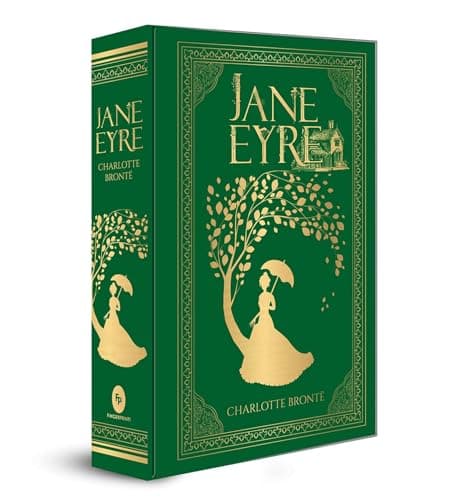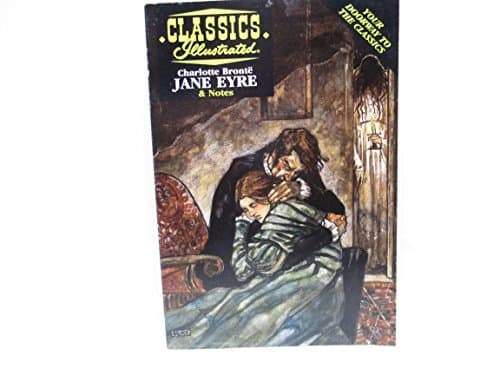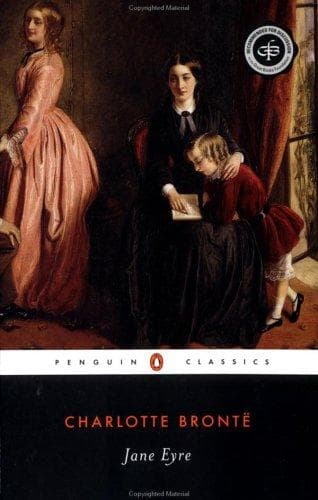
"The orphaned Jane Eyre is no beauty but her plain appearance belies an indomitable spirit, sharp wit and great courage. As a child she suffers under cruel guardians, harsh schooling and a rigid social order but when she goes to Thornfield Hall to work as a governess for the mysterious Mr Rochester, the stage is set for one of literature's most enduring romances."-- Provided by Amazon
Add to your library to track progress and write reviews
Find Jane Eyre Charlotte Brontë in PDF, EPUB, ebook, audiobook, print, or library editions.
3 books in catalog
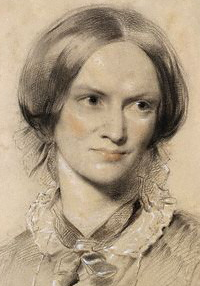
English literature of the Victorian era was fundamentally shaped by powerful, ground-breaking narratives of personal conviction and emotional independence. Charlotte Brontë emerged as one of its defining voices through her celebrated 1847 novel Jane Eyre, published under the masculine pseudonym Currer Bell. As the eldest of the three famous Brontë sisters whose novels became enduring standards of the literary canon, she depicted young women navigating moral dilemmas, social boundaries, and financial insecurity with unflinching honesty and resilience.
Born on April 21, 1816, in Thornton, Yorkshire, Brontë moved with her family to Haworth in 1820 when her father, the Reverend Patrick Brontë, became curate of the local church. Following the early death of her mother Maria Branwell in 1821 and the loss of her two older sisters to illness after attending the Clergy Daughters' School, Charlotte, along with her brother Branwell and sisters Emily and Anne, was educated largely at home with access to her father's extensive library. The siblings fostered their creative talents by writing elaborate fictional worlds. In 1846, Charlotte and her sisters Emily and Anne published a joint volume of poetry using the male pseudonyms Currer, Ellis, and Acton Bell to circumvent contemporary biases against female authors. Following the rapid commercial success of Jane Eyre in 1847, Brontë published Shirley in 1849 and Villette in 1853, establishing herself as a major figure in nineteenth-century letters before her premature death on March 31, 1855. Her early manuscript The Professor was published posthumously in 1857.
Brontë's fiction bridged moral realism and Gothic atmosphere, utilizing intense first-person narration to explore internal psychology and individual integrity. Her works frequently examine the struggles of women seeking autonomy in patriarchal structures, balancing passion against moral duty, and confronting class barriers. By integrating vivid emotional interiority with keen social critique, her narrative style challenged traditional Victorian depictions of gender roles and institutional authority. Her sisters Emily and Anne similarly challenged literary conventions through their respective novels published as Ellis and Acton Bell.