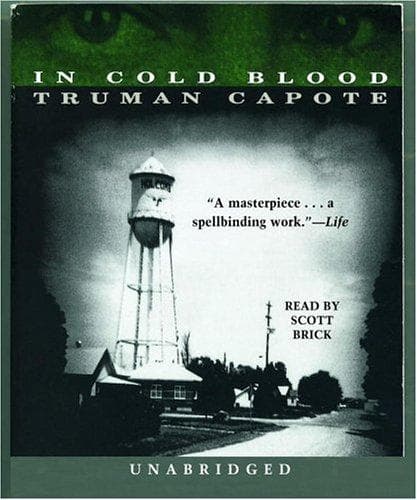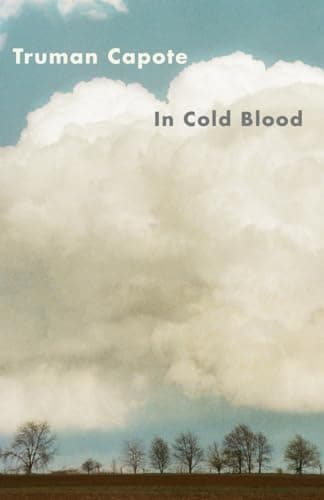
On November 15, 1959, in the small town of Holcomb, Kansas, four members of the Clutter family were savagely murdered by blasts from a shotgun held a few inches from their faces. There was no apparent motive for the crime, and there were almost no clues. In one of the first non-fiction novels ever written, Truman Capote reconstructs the murder and the investigation that led to the capture, trial, and execution of the killers, generating both mesmerizing suspense and astonishing empathy. In Cold Blood is a work that transcends its moment, yielding poignant insights into the nature of American violence.
Add to your library to track progress and write reviews
Find In Cold Blood Truman Capote in PDF, EPUB, ebook, audiobook, print, or library editions.

3 books in catalog
The development of New Journalism and modern true crime narrative owes much to the landmark publication of In Cold Blood (1965), an exhaustive account of a 1959 Kansas family murder that merged deep reporting with novelistic pacing. Truman Capote spent years interviewing residents and investigators alongside his friend Harper Lee, crafting what he termed a 'nonfiction novel.' His acclaimed 1958 novella Breakfast at Tiffany's had previously established his reputation for depicting complex urban characters.
Born Truman Streckfus Persons on September 30, 1924, in New Orleans, Louisiana, he lived with relatives in Monroeville, Alabama, following his parents' divorce. During his childhood in Monroeville, he befriended future author Harper Lee. Capote began writing seriously in his youth and gained early acclaim in the mid-1940s through short story publications. His debut novel, Other Voices, Other Rooms, appeared in 1948 and brought him immediate national attention.
Throughout his career, Capote produced short stories, novels, plays, screenplays, and travel reportage. In addition to his fiction, he published journalistic books such as The Muses Are Heard, which chronicled the Soviet Union tour of an American theatrical production. His work in journalism helped shape New Journalism alongside contemporaries in mid-twentieth-century American letters.
Capote's early literary style was rooted in Southern Gothic traditions, characterized by vivid atmosphere and psychological insight into human desire and loneliness. As his work evolved, he adopted a precise journalistic method that combined meticulous archival research and interviewing with graceful narrative prose, demonstrating a keen eye for social dynamics across varied American settings.