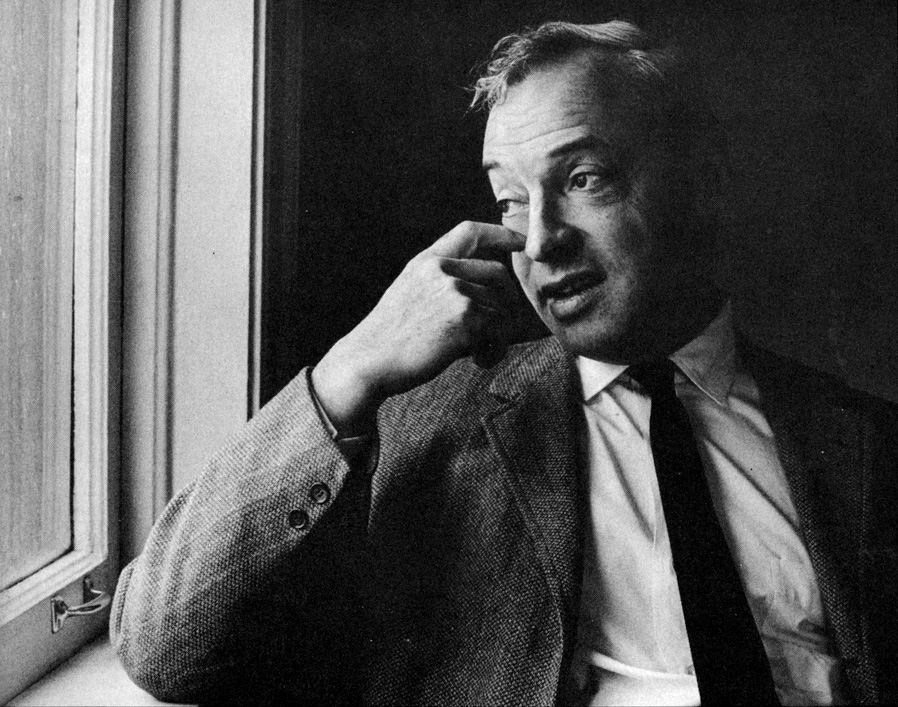
Post-World War II American fiction took a major turn toward internal monologue, urban alienation, and philosophical introspection with novels like The Adventures of Augie March and Herzog. Saul Bellow emerged as one of the central figures of Jewish-American narrative, portraying intellectual yet deeply conflicted individuals searching for meaning within modern society. His fiction transformed the landscape of mid-century narrative art by combining streetwise slang with classical intellectual reflection.
Career & Background
Born Solomon Bellows in Lachine, Quebec, in 1915 to Russian Jewish immigrants, he relocated with his family to Chicago at age nine. He earned a bachelor's degree in sociology and anthropology from Northwestern University in 1937, completed graduate work at the University of Wisconsin, worked on the WPA Writers' Project, and served in the Merchant Marine during World War II. Bellow launched his publishing career with Dangling Man in 1944 and Victim in 1947. Over the following decades, he earned unprecedented recognition, becoming the only author to win the National Book Award for Fiction three times, alongside receiving the Pulitzer Prize, the 1976 Nobel Prize in Literature, and the National Medal of Arts before his death in 2005.
Writing Style & Themes
Bellow's writing synthesizes high philosophical discourse with vivid depictions of urban life, particularly in Chicago and New York. His characters are frequently self-doubting, cerebral observers who struggle with existential isolation, social disaffection, and the chaotic demands of contemporary existence. Departing from the spare, hard-boiled prose that dominated early twentieth-century fiction, Bellow established an expansive, voice-driven style that integrated Yiddish idioms, comic irony, and deep cultural critique.
Major Works
- Dangling Man — Published in 1944, Bellow's debut novel captures the psychological suspense and philosophical disorientation of a young man awaiting his military draft notice during World War II.
- The Adventures of Augie March — This 1953 novel won the National Book Award and broke away from hard-boiled conventions, delivering a picaresque narrative about a Chicago youth coming of age during the Great Depression.
- Seize the Day — Published in 1956, this acclaimed novella focuses on Tommy Wilhelm, a desperate man evaluating his personal and financial failures during a single pivotal day in New York City.
- Henderson the Rain King — Appearing in 1959, this novel follows an eccentric American millionaire who travels to Africa in search of spiritual rebirth and personal transformation.
- Herzog — Released in 1964, this National Book Award-winning novel centers on a distressed academic who writes unmailed letters to philosophers, historical figures, and acquaintances while navigating a midlife crisis.
- Humboldt's Gift — Awarded the Pulitzer Prize for Fiction in 1976, this novel explores the relationship between a successful playwright and his deceased mentor, examining the role of art and intellect in materialist America.