French literature saw a profound shift toward collective autobiography with works that blend personal memory with social history, most prominently exemplified by The Years. The author Annie Ernaux constructs lightly fictionalized memoirs and autobiographical narratives using a spare, detached prose style to examine individual experience alongside generational shifts.
Awarded the 2022 Nobel Prize in Literature, her writing dissects intimate personal moments—from illegal abortion and grief to middle-age passion—while situating them within broader structures of class, gender, and historical memory.
Career & Background
Born Annie Duchesne on September 1, 1940, in Lillebonne, France, she grew up in the small town of Yvetot in Normandy. Her parents, Alphonse and Blanche Duchesne, operated a combined grocery store and café in a working-class district. Attending a private Catholic secondary school introduced her to classmates from middle-class backgrounds, an experience that fostered an acute awareness of class disparity and social shame. In 1958, at age eighteen, she left home for the summer to work at a summer camp, marking her initial foray outside her childhood environment.
Ernaux launched her published literary career in 1974 with her debut novel Cleaned Out (Les Armoires vides). Over subsequent decades, she authored numerous autobiographical texts exploring her family background, marriage, and personal milestones. Her accounts often revisit earlier life events from distinct chronological vantage points, analyzing how memory reconstructs past reality. In 2022, she received the Nobel Prize in Literature for the clinical acuity and courage with which her work uncovers the roots and collective restraints of personal memory.
Writing Style & Themes
Ernaux's style is characterized by a restrained, neutral tone often described as flat writing or spare prose. Rather than relying on dramatic embellishment or lyrical sentimentality, her narrative approach focuses on objective documentation of physical details, emotional states, and societal norms. By stripping away conventional fictional devices, her work bridges the boundary between individual memoir and sociological analysis, capturing how personal choices and private suffering are shaped by historical surroundings.
Across more than four decades of writing, her recurring themes encompass class mobility, social inequality, female sexuality, illness, and the passage of time. Her books frequently address taboo or challenging subjects, including illegal abortion, her mother's cognitive decline from Alzheimer's disease, her own experience with cancer, and passionate middle-aged romantic relationships. Through these topics, she examines how language, gender, and social background define human identity.
Major Works
- The Years — Published in French as Les Années, this collective autobiography weaves personal recollections with landmark political and social events from the mid-twentieth century into the twenty-first century, tracing an individual life alongside the broader passage of time.
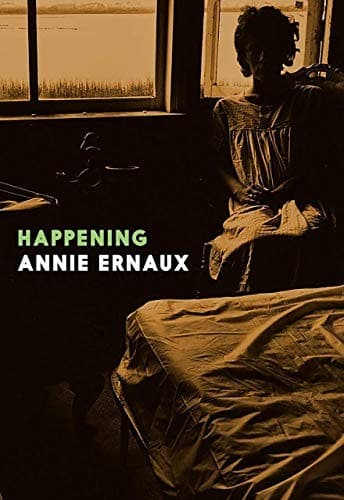
- Happening — In this autobiographical account, Ernaux details her experience seeking an illegal abortion as a university student in 1960s France, exploring social stigma, medical secrecy, and bodily autonomy.
- Simple Passion — This spare narrative documents the intense psychological and emotional impact of an extramarital love affair during middle age, examining desire, waiting, and obsession with clinical honesty.