Bookshealth & fitnessEverything Is Tuberculosis: The History and Persistence of Our Deadliest Infection
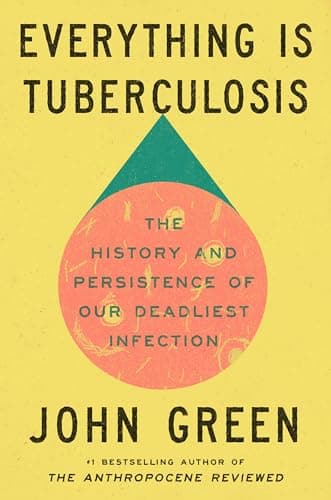
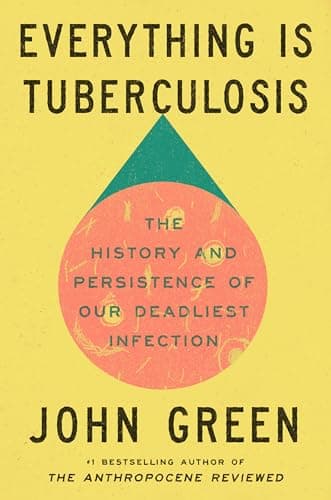
Everything Is Tuberculosis: The History and Persistence of Our Deadliest Infection,
by John Green
by John Green
John Green, the #1 bestselling author of The Anthropocene Reviewed and a passionate advocate for global healthcare reform, tells a deeply human story illuminating the fight against the world’s deadliest infectious disease.
Tuberculosis has been entwined with humanity for millennia. Once romanticized as a malady of poets, today tuberculosis is seen as a disease of poverty that walks the trails of injustice and inequity we blazed for it.
In 2019, author John Green met Henry Reider, a young tuberculosis patient at Lakka Government Hospital in Sierra Leone. John became fast friends with Henry, a boy with spindly legs and a big, goofy smile. In the years since that first visit to Lakka, Green has become a vocal advocate for increased access to treatment and wider awareness of the healthcare inequities that allow this curable, preventable infectious disease to also be the deadliest, killing over a million people every year.
In Everything Is Tuberculosis, John tells Henry’s story, woven through with the scientific and social histories of how tuberculosis has shaped our world—and how our choices will shape the future of tuberculosis.
Add to your library to track progress and write reviews
Find Everything Is Tuberculosis: The History and Persistence of Our Deadliest Infection John Green in PDF, EPUB, ebook, audiobook, print, or library editions.

3 books in catalog
Realistic young adult fiction addressing teenage grief, illness, and intellectual curiosity gained widespread recognition through bestselling novels that explore acute personal loss. John Green earned acclaim for writing articulate adolescent characters whose emotional challenges prompt deep philosophical reflection.
His literary output spans award-winning coming-of-age novels like Looking for Alaska as well as non-fiction works such as Everything Is Tuberculosis: The History and Persistence of Our Deadliest Infection that examine global health and history.
Born in Indianapolis, Indiana, Green was raised in Orlando, Florida, before attending boarding school outside Birmingham, Alabama. He graduated from Kenyon College with a double major in English and religious studies, later working as a book reviewer for Booklist and contributing reviews to The New York Times Book Review before releasing his debut novel. In 2007, Green and his brother Hank launched "Brotherhood 2.0," a daily video blog project where they discussed their lives, books, and current events every weekday for an entire year. That project grew into a broad digital media presence encompassing educational channels such as Crash Course and Vlogbrothers, along with podcasts and international advocacy.
Green's writing is characterized by bright, troubled teenage characters, sharp dialogue, and open engagement with difficult themes. His narratives frequently focus on how young people experience grief, mental health conditions, existential doubt, and severe illness. By blending humor and literary references with serious thematic inquiry, his books invite readers to consider empathy, existential questions, and systemic global inequalities.