§Synopsis
01No description available.
No description available.
Add to your library to track progress and write reviews
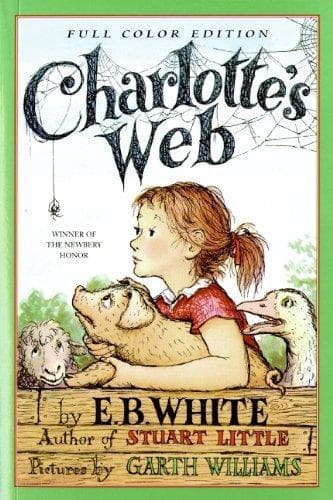
Find Charlotte's Web E.B. White in PDF, EPUB, ebook, audiobook, print, or library editions.

2 books in catalog
Crafting classic children's literature and essay writing that blend gentle humor with deep emotional resonance, twentieth-century American prose was deeply shaped by memorable animal fables and precise essays. Elwyn Brooks White, writing under the pen name E. B. White, earned lasting distinction for enduring works that explore friendship, mortality, and the natural world, including widely read books such as Charlotte's Web and Stuart Little.
Born in Mount Vernon, New York, on July 11, 1899, White was the youngest of six children. He earned his bachelor's degree at Cornell University in 1921, where he acquired the lifelong nickname 'Andy.' After working as a reporter and freelance writer, he joined The New Yorker magazine in 1927 as a writer and contributing editor, a position he maintained for the rest of his career. In 1929, he married Katherine Sergeant Angell, the first fiction editor of The New Yorker. In addition to contributing essays and pieces to The New Yorker and Harper's Magazine, White published poetry and prose, co-authored the 1929 humor book Is Sex Necessary? with James Thurber, and revised William Strunk Jr.'s style guide in 1959 into The Elements of Style. He received a special Pulitzer Prize citation in 1978 and spent much of his later life in Maine until his death in North Brooklin on October 1, 1985.
White was celebrated for an eloquent, unaffected, and clear writing style distinguished by elegance, simplicity, and dry wit. His narrative voice treated both child and adult readers with equal seriousness, addressing profound themes such as friendship, death, aging, and acceptance of natural cycles. Whether writing personal essays or imaginative children's fiction, he grounded his stories in keen observations of rural life, nature, and everyday human experience. His approach to writing emphasized discipline, economy of phrasing, and authentic emotion.