Victorian realist fiction gained new psychological depth through seven major novels set largely in provincial England, most famously in the wide-ranging social study Middlemarch. Written by Mary Ann Evans under the male pseudonym George Eliot, these works explored complex moral choices, rural society, and internal character development with exceptional intellectual rigor.
Career & Background
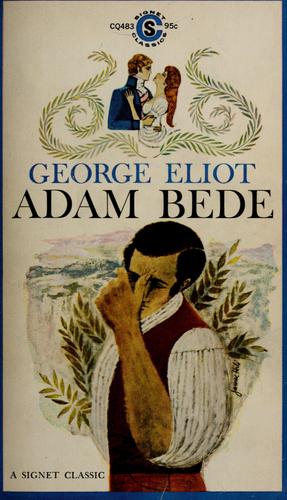
Born in Warwickshire, England, in 1819, Evans gained early access to an estate library through her father's management role, allowing her to read broadly. In 1851, she moved to London to work as a freelance writer and subeditor for The Westminster Review, translating German philosophical texts and publishing critical essays. To ensure her fiction was taken seriously and judged independently from typical romantic novels written by women of her era, she adopted the pen name George Eliot in 1857. Her debut long novel, Adam Bede, appeared in 1859 and achieved immediate commercial success, establishing her standing among English writers of the Victorian era.
Writing Style & Themes
Eliot's fiction is recognized for its realism, psychological insight, detailed sense of place, and faithful depiction of the English countryside and provincial life. Her writing synthesizes literary narrative with ethical and philosophical inquiry, drawing on Spinozism and European philosophy to examine human sympathy and moral choices. She rejected formulaic romantic plotting in favor of realistic character motivation, creating layered narratives that examined how personal decisions interact with broader social structures.
Major Works
- Adam Bede — Published in 1859, this debut novel set in rural England gained immediate popularity for its detailed pastoral setting and realistic portrayal of village community dynamics.
- The Mill on the Floss — Published in 1860, this novel centers on the emotional development and tragic choices of siblings Maggie and Tom Tulliver along the River Floss.
- Silas Marner — Published in 1861, this concise novel relates the redemption of a reclusive weaver in the village of Raveloe through his care for an abandoned child.
- Middlemarch — Serialized between 1871 and 1872, this expansive study of provincial life follows multiple interconnected lives in a Midlands town, later praised by Virginia Woolf as a novel written for grown-up people.
- Daniel Deronda — Published in 1876, Eliot's final novel contrasts Victorian high society with Jewish cultural identity and Zionist ideals.