BooksA Crown in Shadows
The Harcian Civil War is no longer a distant political struggle; it has become a claustrophobic reality defined by the smell of ozone and the weight of strategic desperation. As Rosira and Araich march toward the city of Vernaya, their objective is singular and absolute: to end the reign of Araich’s uncle, Inor Harcian. Yet, the momentum of their rebellion is increasingly hampered by the psychological toll of the conflict and the technical volatility of the very weapons they rely upon to survive.
Central to this narrative is the intersection of personal fragility and the grand machinery of war. While the external goal is to reclaim a nation, the internal battle focuses on the erosion of certainty. Rosira’s once-potent abilities have become erratic, transforming from a reliable asset into a source of profound vulnerability at the exact moment the stakes are highest. Meanwhile, Araich must navigate his role as a leader while grappling with the physical limitations of a body broken by past trauma, forcing a reliance on intellect and willpower where martial strength fails.
The world-building in this installment centers on the mechanics of Lightning Dust, a lethal and unpredictable substance that dictates the rhythm of combat. Unlike traditional high-fantasy magic systems, the use of Lightning Dust introduces an element of industrial-age danger, where the environment is as much a threat as the enemy. The atmosphere is thick with the tension of a country devouring itself, characterized by shadow-drenched battlefields and the constant threat of betrayal within one’s own ranks.
The development of the relationship between Rosira and Araich shifts from a blossoming admiration to a necessary, high-stakes codependency. Their bond is tested not by romantic rivalries, but by the practicalities of survival and the differing ways they process the trauma of the front lines. Rosira’s arc focuses on the fear of obsolescence as her powers wane, while Araich’s journey explores the burden of leadership when one is physically unable to lead from the front. This creates a friction that highlights their individual insecurities even as they strive for a common goal.
Carissa Broadbent utilizes the "rebellion against a tyrant" trope but strips away the typical layer of protagonist invincibility. By placing both main characters in positions of significant weakness—one magical and one physical—the narrative subverts the expectation of a heroic power fantasy. Instead, the focus remains on the strategic and moral dilemmas of war, emphasizing that even a righteous cause can be derailed by the fragility of the individuals championing it.
The thematic heart of the early narrative lies in the danger of the unsaid. In a conflict fueled by familial betrayal, secrets act as a more potent currency than armies. As the protagonists move closer to the seat of power, the shadows mentioned in the title refer as much to the obscured pasts of the characters as they do to the physical darkness of the looming siege. The stakes are defined by the realization that winning the war may require sacrificing the very truth they are fighting to protect.
Add to your library to track progress and write reviews
Find A Crown in Shadows Carissa Broadbent in PDF, EPUB, ebook, audiobook, print, or library editions.
The Valtain Preludes
15 books in catalog
Bloodshed, political maneuvering, and the brutal cost of survival define the landscapes of modern romantic fantasy, where high-stakes conflicts extend far beyond matters of the heart. Fantasy author Carissa Broadbent has built a wide readership in this competitive genre by subjecting her protagonists to the grim realities of power, legacy, and systemic violence. She is widely recognized for The Serpent and the Wings of Night, an epic vampire tournament novel that launched her best-selling Crowns of Nyaxia universe.
Her expansive catalog blends high-tension epic fantasy plots with intense romantic arcs, establishing her as a prominent voice in contemporary speculative fiction across both independent and traditional publishing spaces.
Based in Rhode Island, where she lives with her husband, her son, a perpetually skeptical cat, and a badly behaved rabbit, Carissa Broadbent began writing dark, mercilessly grim stories around the age of nine. This early preoccupation with dark fiction eventually matured into a disciplined approach to epic fantasy world-building. Before transitioning into writing as a full-time profession, she worked in the healthcare industry. That professional background provided her with a nuanced understanding of human vulnerability, physical trauma, and psychological resilience—elements that deeply inform her character development and thematic depth.
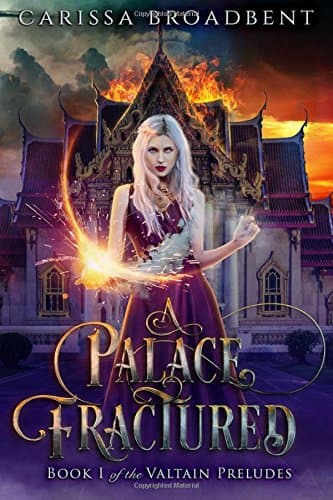
Broadbent initially published her work independently, entering the literary landscape with self-published releases such as her 2017 novel A Palace Fractured. She steadily cultivated a dedicated fanbase in the indie fantasy community as her self-publishing earnings grew from covering routine utility bills to generating consistent four-figure paychecks. Her breakthrough reached a broader digital audience through platforms like BookTok, where readers praised her intricate world-building, high-stakes political intrigue, and morally complex characters. This grassroots momentum culminated in major commercial success and substantial reader demand.
Her rapid commercial ascent caught the attention of legacy publishers, leading to major deals with traditional houses including Tor Publishing Group and Pan Macmillan. In July 2023, Bramble, a romance-focused imprint of Tor, acquired her body of work to publish original installments in the Crowns of Nyaxia series alongside new traditional editions of her backlist titles. Now a #1 New York Times and USA Today bestselling author, Broadbent's transition from self-publishing to traditional publishing is frequently highlighted in industry publications such as Publishers Weekly as a prime example of independent success driving major publishing partnerships.
Broadbent’s writing style is distinguished by its refusal to sanitize the harsh realities of war, oppression, and physical trauma. Influenced by the lyrical prose and nuanced exploration of femininity found in the works of Madeline Miller, her narratives focus on the psychological toll of conflict and the structural pressures placed upon women in patriarchal or authoritarian societies. Rather than relying on simple tropes, her work emphasizes complex emotional realism, where characters must grapple with moral compromises, trauma, and the heavy burden of survival in hostile environments.
Thematically, her stories delve into the psychological motivations behind both human and non-human behavior, examining why individuals seek authority and how legacy dictates personal agency. A recurring concept throughout her work is that love can be a dangerous vulnerability in worlds designed for cruelty and state-sanctioned violence. While her novels incorporate a substantial romantic thread, critics and readers frequently observe that her epic fantasy plots—complete with intricate magic systems and grim geopolitical maneuvering—are robust enough to carry the narrative independently of the romantic relationships.
Her character design consistently features resilient, complex female leads forced to navigate oppressive power structures. These protagonists are rarely unblemished heroes; instead, they are pragmatic survivors who use strategy, combat skills, and political cunning to protect their communities and claim their personal autonomy. By pairing intricate magical mechanics with intense character dynamics, Broadbent creates stories where emotional stakes and mortal danger remain inextricably linked.